Basic Information
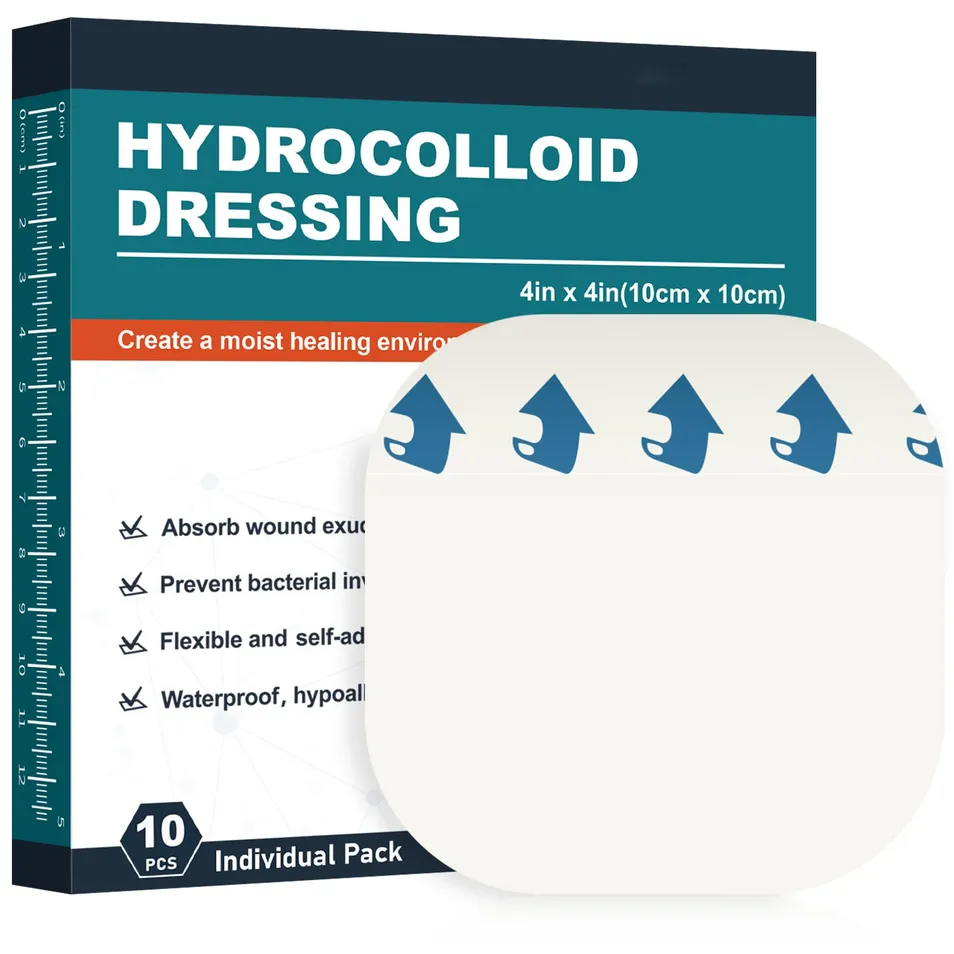
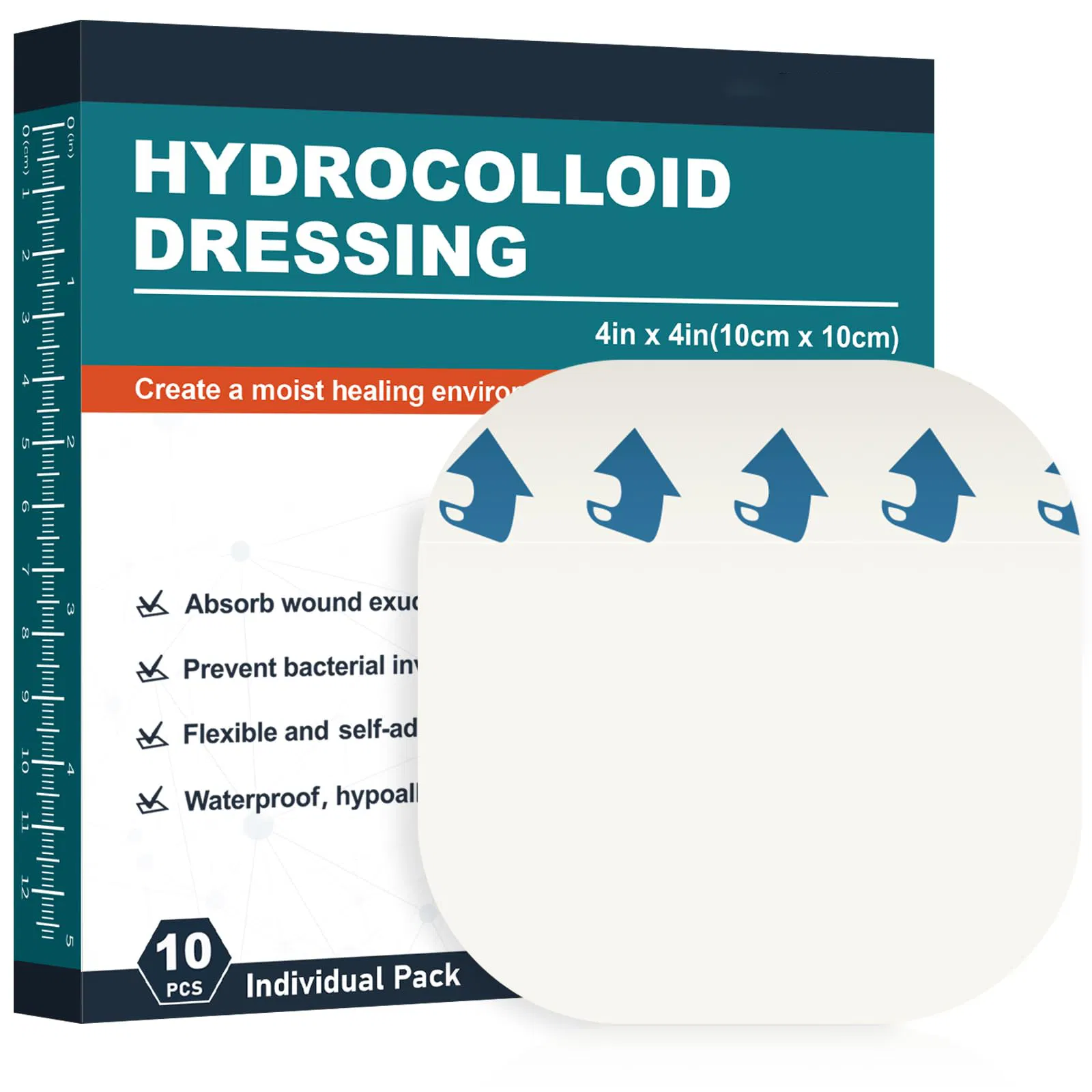
Model NO.Hydrogel Wound Dressing
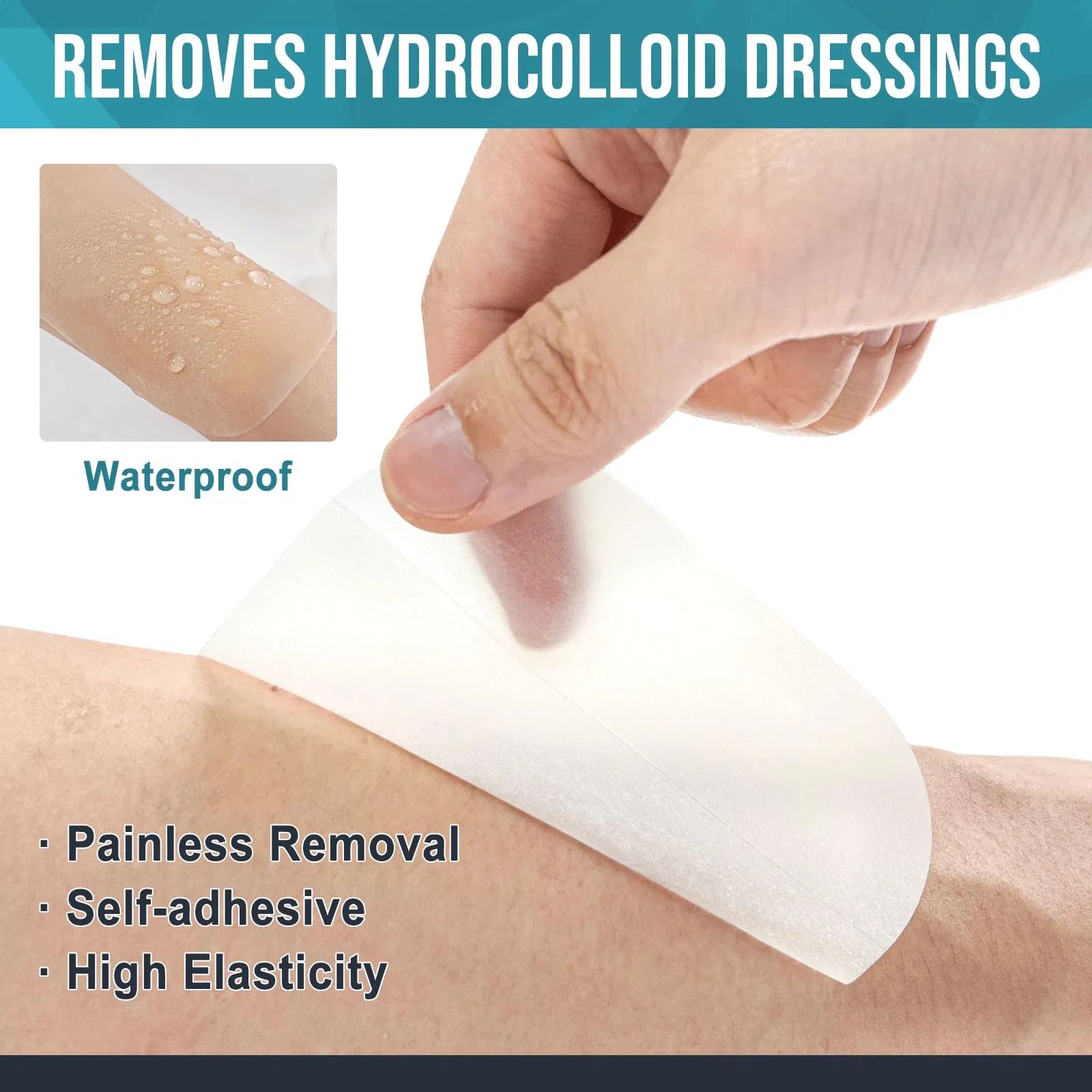
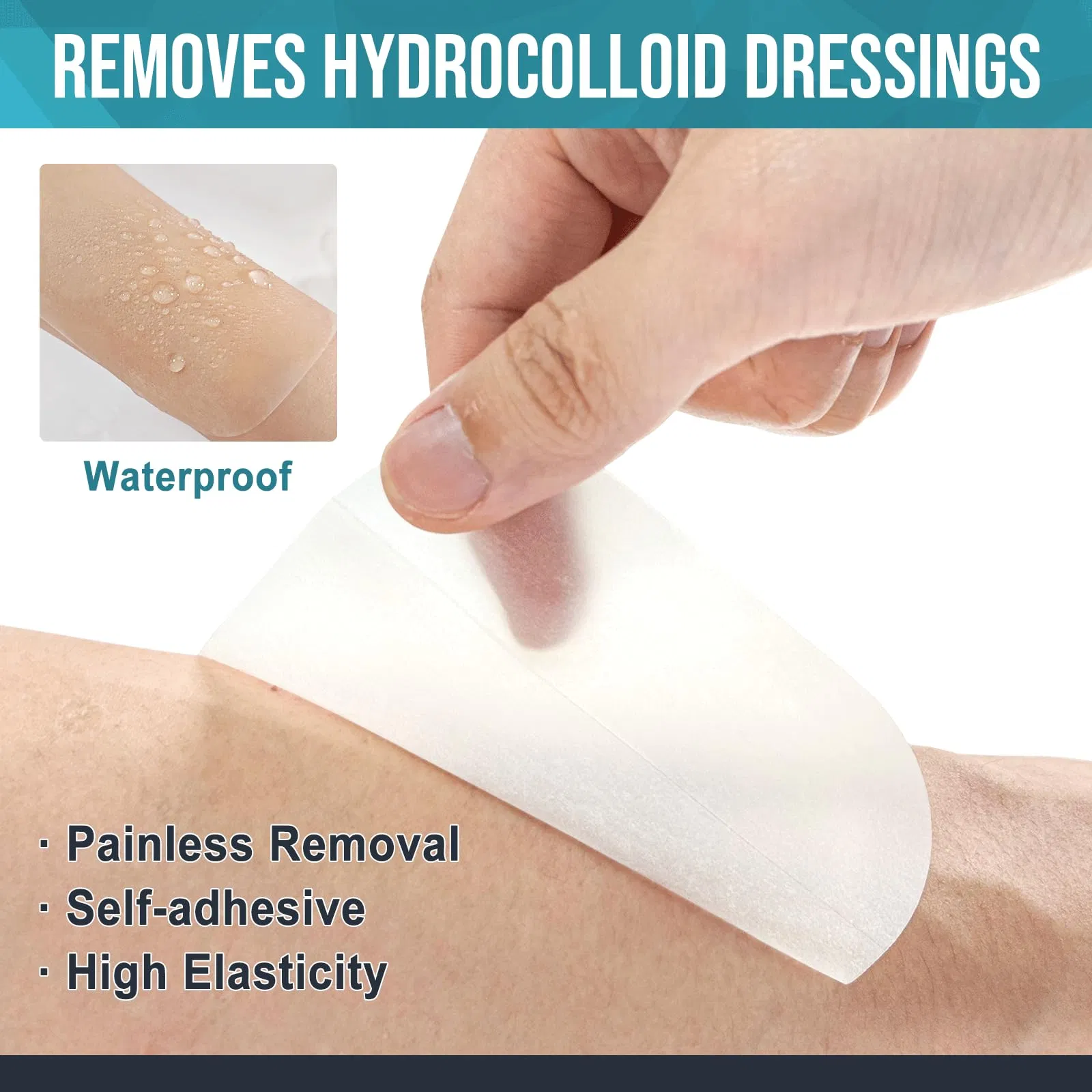
FeatureAnti-Allergy, Ventilation, Waterproof, Air Permeable, Breathable, Skin-Friendly
TypeWound Care Dressing
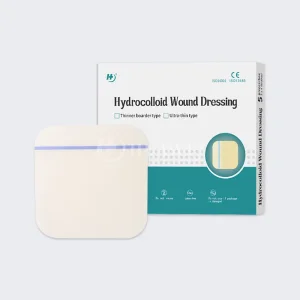
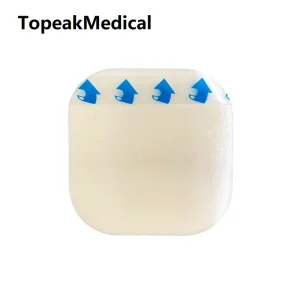
Product NameHydrocolloid Wound Dressing
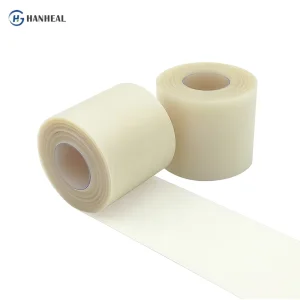
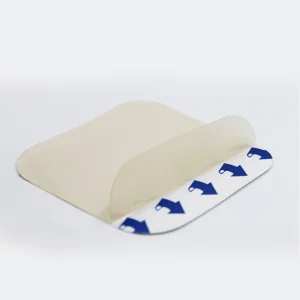
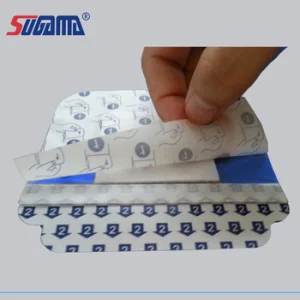
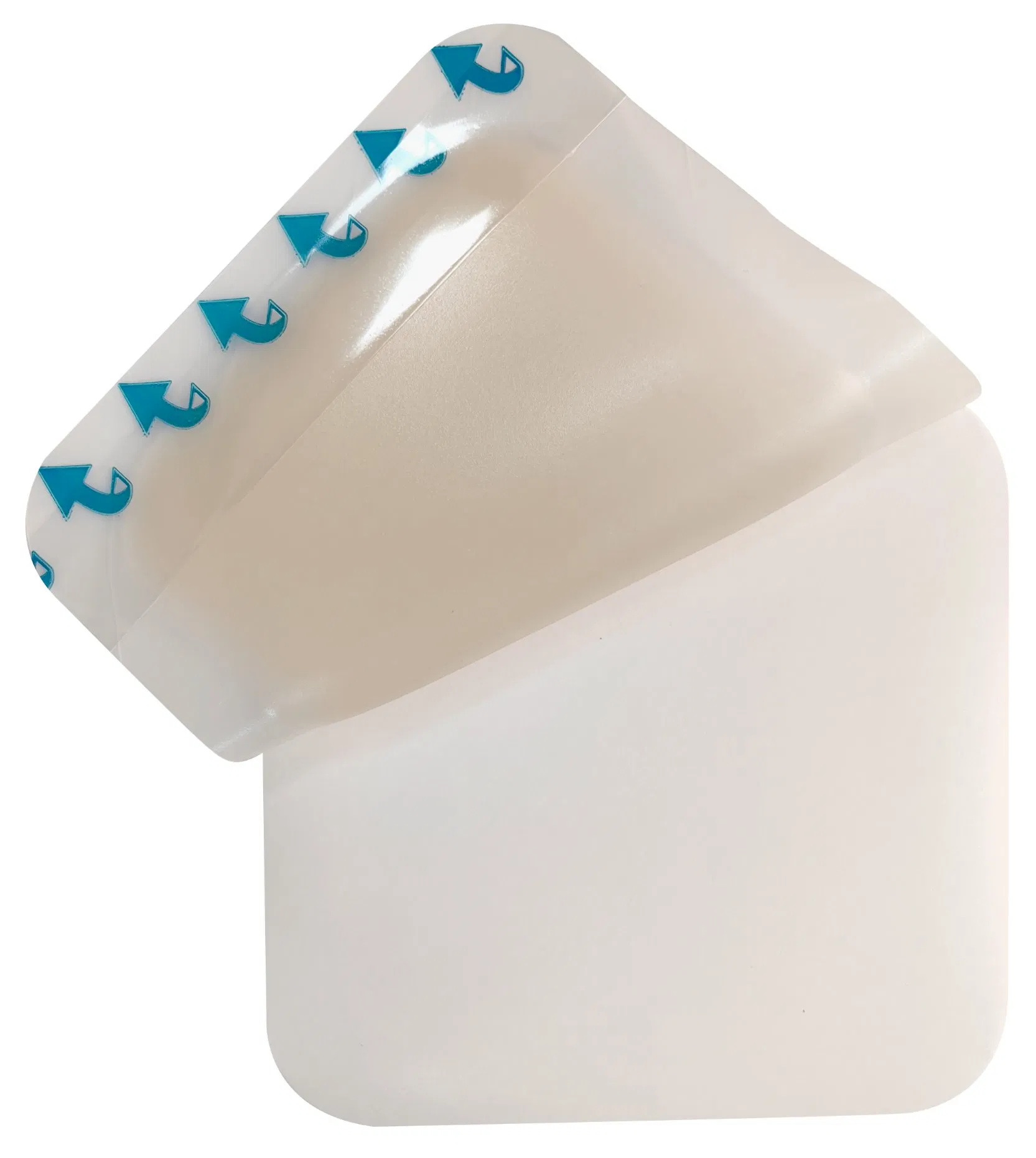
StructurePU Film + Hydrocolloid Adhesive + Release Film
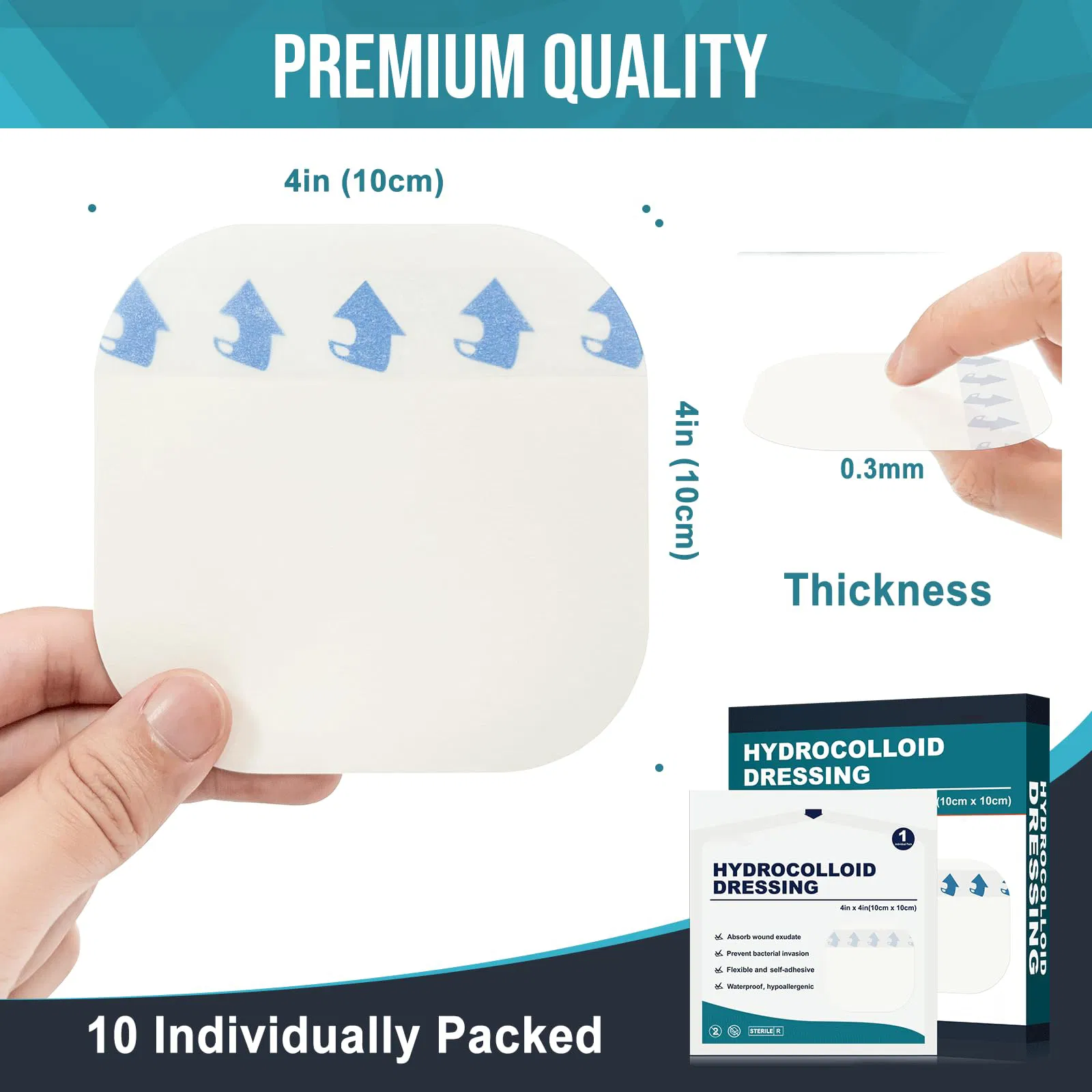
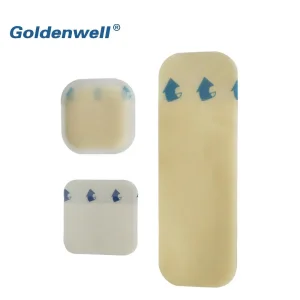
Size5X5cm, 10X10cm, 12.5X12.5cm, 15X15cm, 20X20cm, Customized
ColorSkin Color
AdvantageWaterproof, Permeable
ApplicationSkin Blisters and Corns, Acute and Chronic Small Wounds
ServiceOEM, ODM
OriginChina
HS Code300510
Capacity50000 PCS/Day
Product Overview
| Product Name |
10x10cm Hydrocolloid Wound Dressing Medical Bedsore Care Bandages |
| Popular Sizes |
5x5cm, 10x10cm, 12.5x12.5cm, 15x15cm, 20x20cm customized. |
|
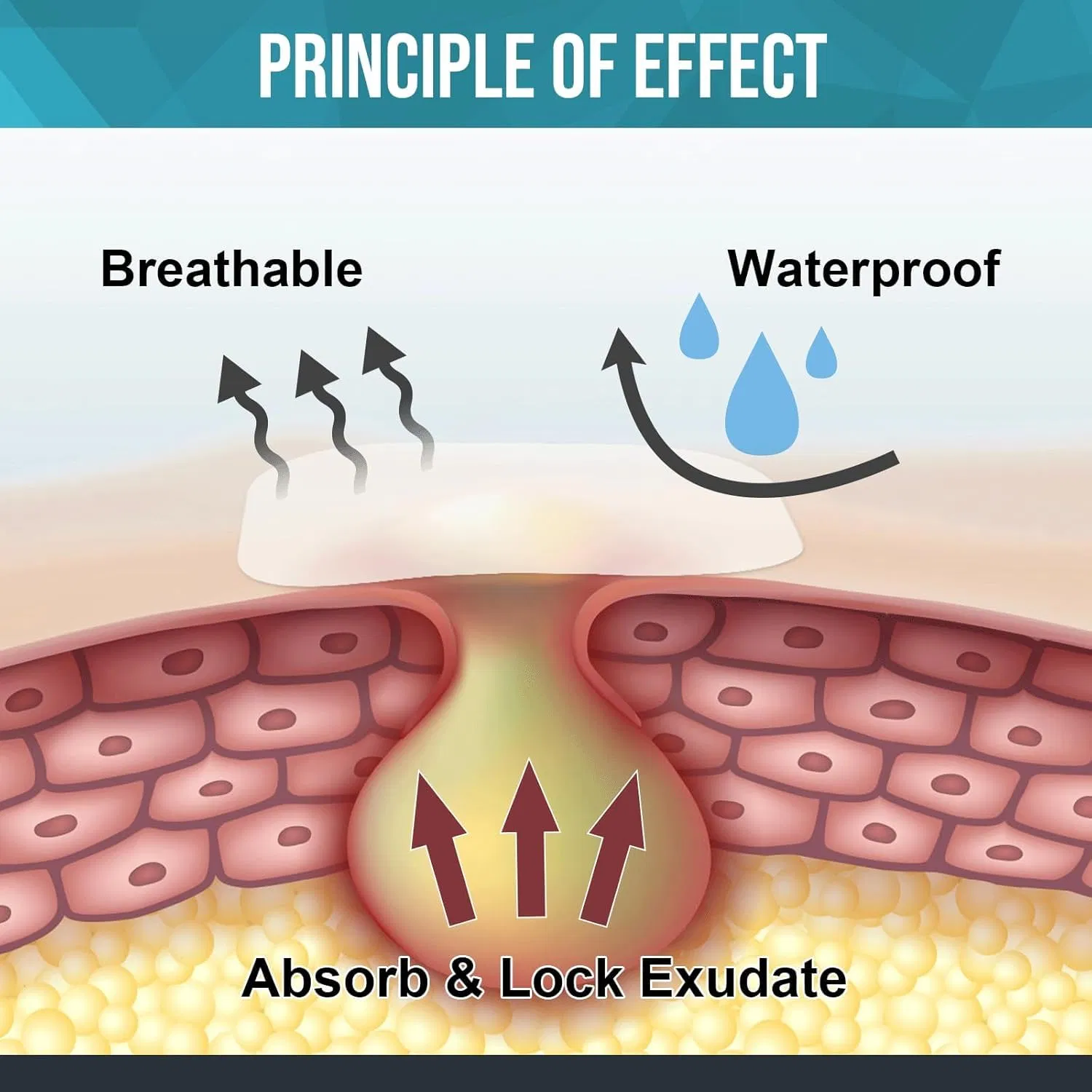
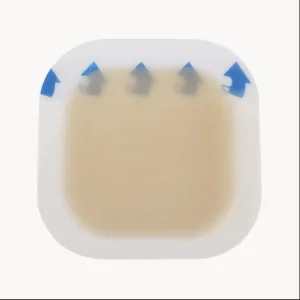
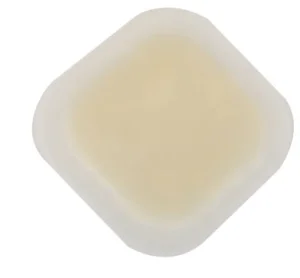
Hydrocolloid dressings are commonly used in clinical practice as occlusive wound dressings. Their core consists of a hydrocolloid matrix layer (primarily composed of hydrophilic polymers such as sodium carboxymethylcellulose, gelatin, and pectin), a backing layer (typically a polyurethane film, which is waterproof, breathable, and antibacterial), and a peeling layer. They react with wound exudate to form a soft, moist gel-like substance, creating an ideal environment for wound healing.
|
Core Mechanism of Action: The Key to "Moist Healing"
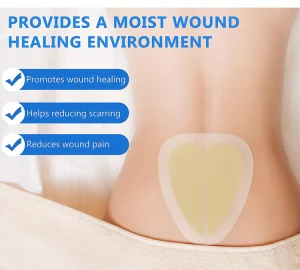
The advantages of hydrocolloid dressings stem from their application of the "Moist Healing Theory," which provides the following benefits:
-
Occlusive Moisture
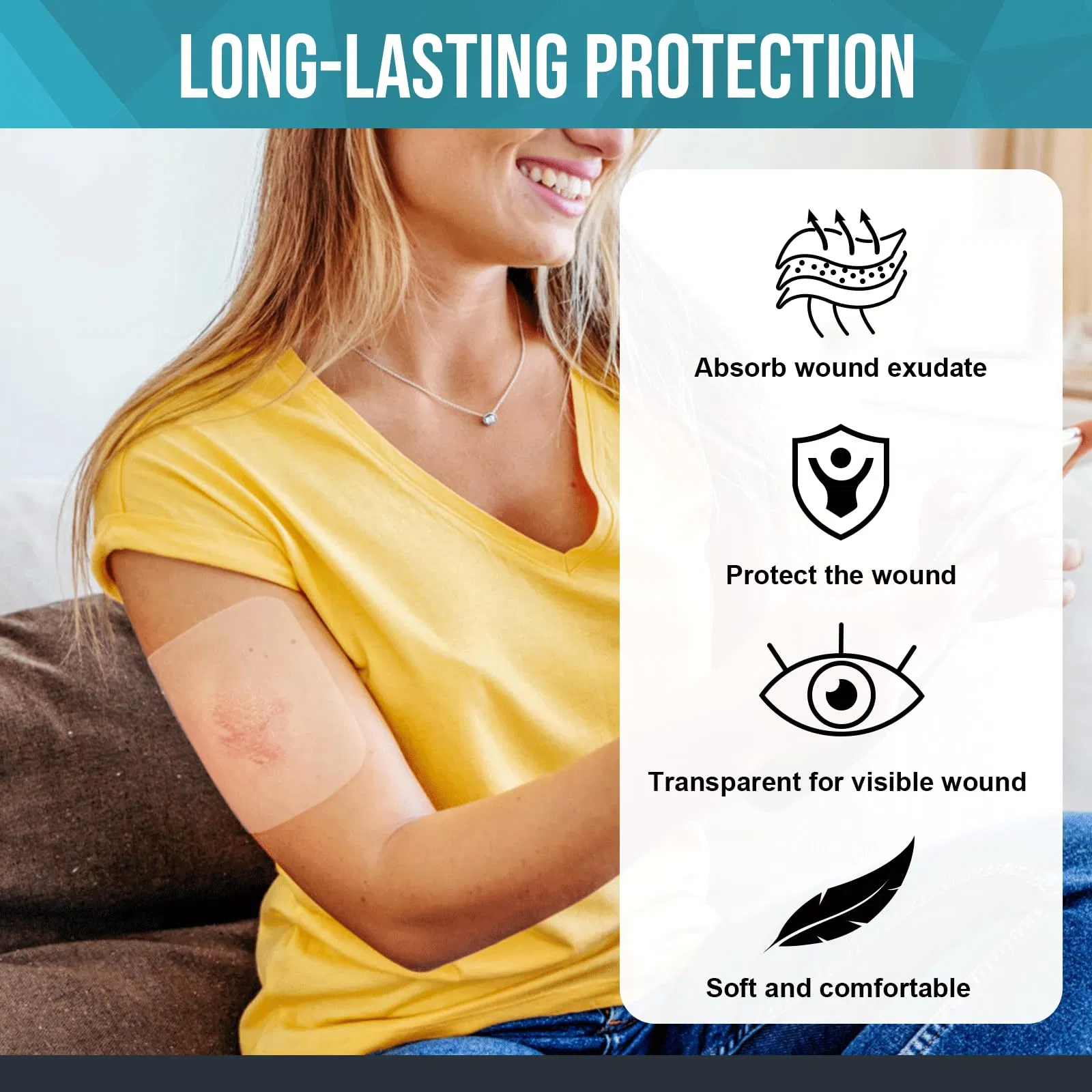
The backing layer blocks external moisture and bacterial intrusion while trapping wound exudate, maintaining continuous moisture and preventing scab formation.
-
Gel Transformation
After absorbing exudate, the matrix transforms into a transparent gel, providing a "nutrient carrier" for cell proliferation and promoting granulation tissue growth.
-
Gentle Exfoliation
The formed gel does not adhere to the wound tissue, minimizing damage to the newly formed epithelium during dressing removal and reducing pain.
Applicable Wound Types
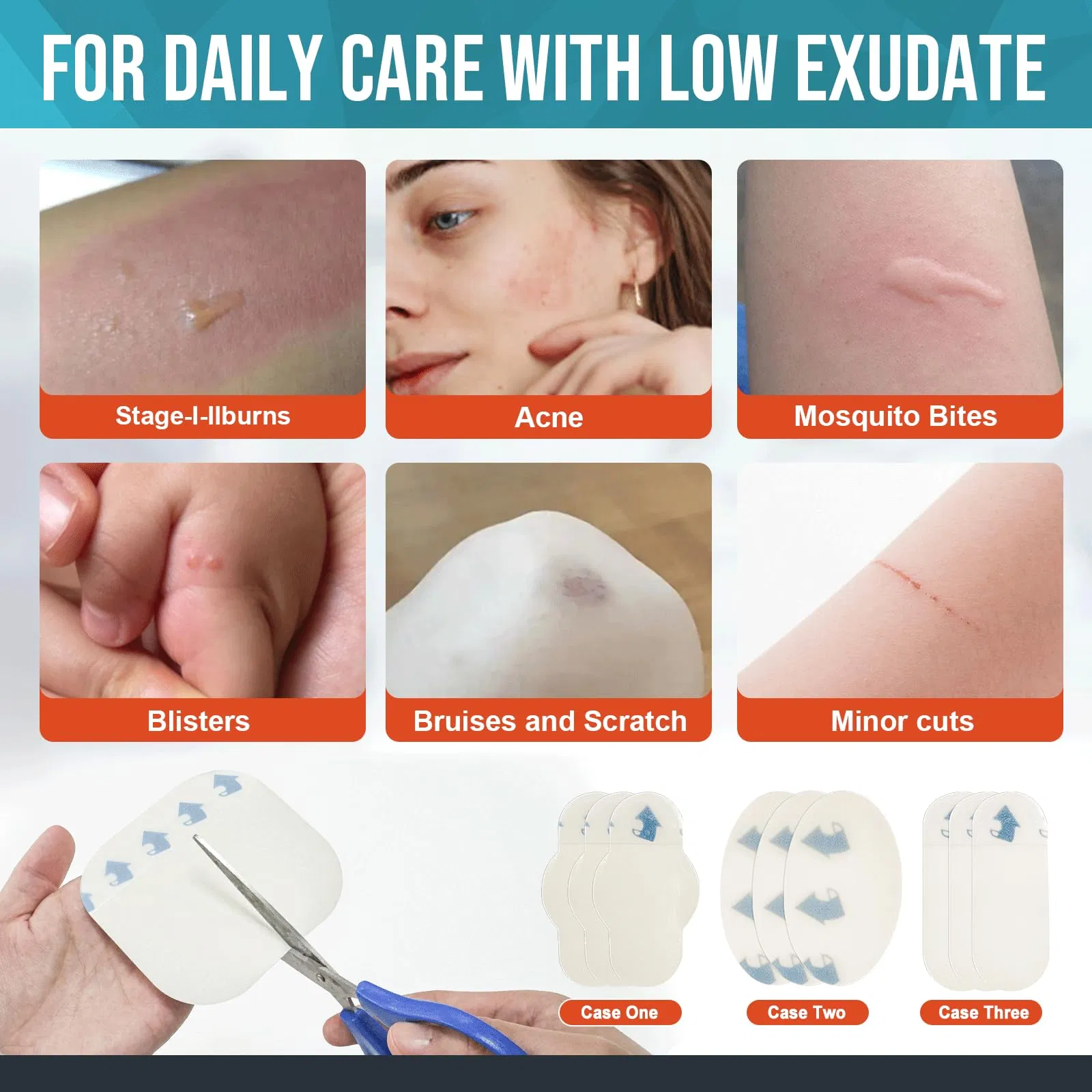
Hydrocolloid dressings are particularly suitable for wounds with low to moderate exudate, including:
📍 Chronic wounds: Stages 1-3 pressure ulcers, venous leg ulcers, and diabetic foot ulcers (non-infected).
📍 Acute wounds: Superficial abrasions, cuts, donor sites, and postoperative suture wounds.
📍 Other wounds: Minor burns (superficial second-degree), and blisters following skin abrasions.
Product Showcase
Frequently Asked Questions
1. What is the main advantage of using a hydrocolloid dressing?
The main advantage is the "Moist Healing" environment. It traps wound exudate to form a gel, which prevents scab formation, promotes faster cell growth, and allows for painless removal without damaging new tissue.
2. Can I use this dressing on infected wounds?
Hydrocolloid dressings are typically recommended for non-infected chronic and acute wounds. For infected wounds, please consult a medical professional for appropriate antimicrobial treatment.
3. Is the hydrocolloid dressing waterproof?
Yes, the outer layer is a polyurethane (PU) film which is waterproof and antibacterial, allowing users to perform daily activities like washing while protecting the wound.
4. How often should I change the hydrocolloid dressing?
The dressing can typically stay in place for several days. It should be changed when the gel bubble (formed by absorbed exudate) reaches the edges of the dressing or if it starts to leak.
5. Does it cause skin irritation?
These dressings are designed to be skin-friendly and anti-allergic. They are breathable and allow for moisture vapor transmission, reducing the risk of skin maceration.
6. What sizes are available for customization?
Standard sizes include 5x5cm, 10x10cm, 12.5x12.5cm, 15x15cm, and 20x20cm. We also offer OEM/ODM services for customized dimensions and shapes.
 WER Medical