WER Medical
WER Medical
WER Medical
Engineered for high-humidity climates, featuring medical-grade hypoallergenic acrylic adhesive and breathable PU film technology.
The Democratic Republic of the Congo (DRC) is currently undergoing a structural transformation of its public and private healthcare systems. With significant initiatives spearheaded by the Ministère de la Santé Publique (Ministry of Public Health) and reinforced by global bodies like the WHO and UNICEF, the focus is rapidly shifting toward modernizing clinical consumables. Chief among these needs is the containment of Surgical Site Infections (SSIs) and catheter-related bloodstream infections (CRBSIs).
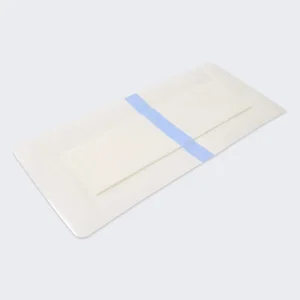
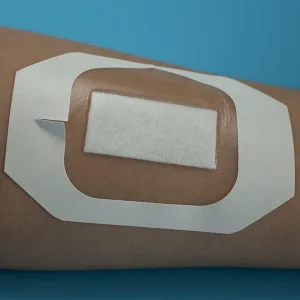
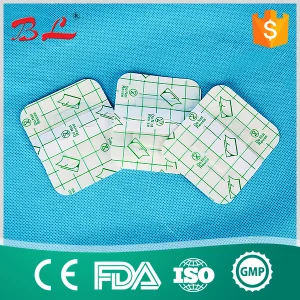
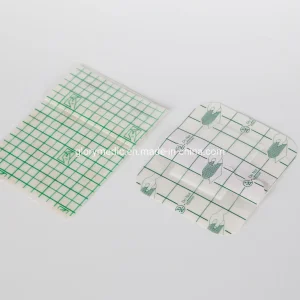
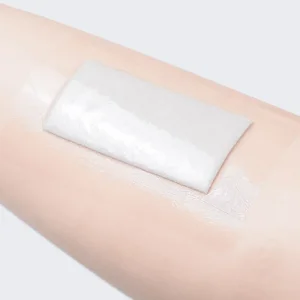
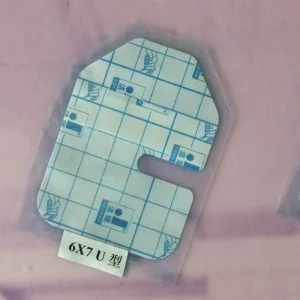
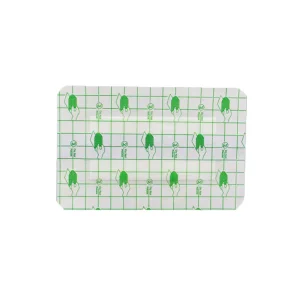
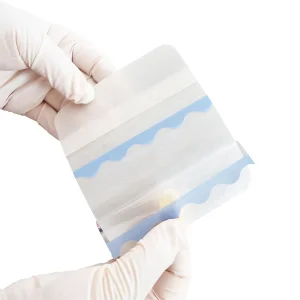
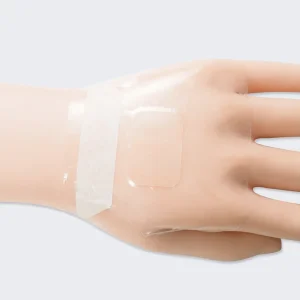
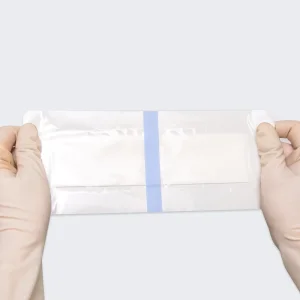
Traditional cotton gauze dressings, while abundant, offer poor biological barrier function, particularly in tropical, high-humidity regions like Kinshasa, Equateur, and the Kivu provinces. High atmospheric humidity accelerates sweat and bacterial migration under standard dressing tapes. Thus, the medical community in DRC is transitioning to polyurethane (PU) transparent dressings with pads. These advanced dressings maintain an optimal moist healing environment while preventing external liquid pathogens and dust from entering the wound site.
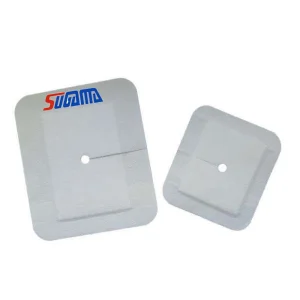
WER Medical provides a direct factory supply channel, eliminating the multiple tiers of regional distributors that historically inflated medical supply costs in Central Africa. Our transparent dressings with absorbent pads are optimized for longevity, offering a 3-to-7 day wear time even in equatorial conditions, dramatically reducing the clinical workload and cost per dressing change for regional clinics.
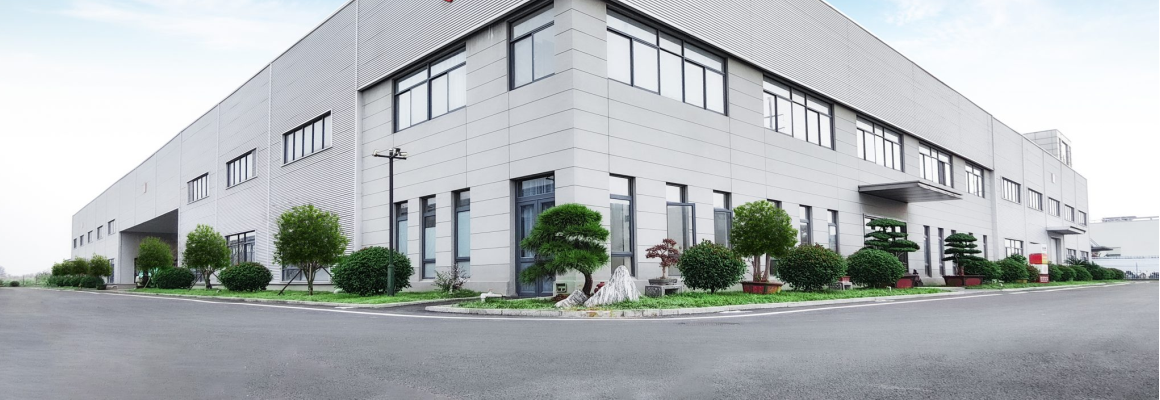
Since 2018, WER Medical has established itself as an industry leader in manufacturing advanced medical wound dressings, specifically focusing on silicone and polyurethane variants.
Operating a state-of-the-art 10,000㎡ manufacturing plant in Guangzhou, and supported by our corporate sales headquarters in Shenzhen, we are engineered to serve large-scale international medical supply orders. Our facility houses Class 100,000 (ISO Class 8) cleanrooms, which prevent any micro-particulate contamination during the coating, slitting, assembly, and packaging phases.
Every roll of transparent film is coated with raw materials imported from premier global suppliers. This ensures that the biocompatibility profile matches stringent CE MDR, FDA, and ISO 13485 requirements. For healthcare procurement officers in the Democratic Republic of Congo, this guarantees that every adhesive patch behaves reliably, reducing contact dermatitis risks among local pediatric and adult patients.

Understanding the micro-material differences that influence wound healing efficacy in modern hospital setups.
Our polyurethane films feature a high MVTR gradient. This permits perspiration and water vapor to escape efficiently through the film matrix while stopping external moisture (such as bath water or sweat) from reaching the wound bed. This dramatically minimizes skin maceration risks.
Under CE MDR standards, our PU film serves as a viral and bacterial barrier (shielding against MRSA, Pseudomonas aeruginosa, and other nosocomial pathogens). The micro-pore size remains below 0.2 microns, restricting bacteria while facilitating gas exchange (Oxygen and Carbon Dioxide).
The core non-adherent pad consists of a composite fleece layer designed to absorb wound exudate quickly without adhering to the healing granulation tissue. The PE net facing guarantees that dressing removal is virtually painless, promoting uninterrupted tissue regeneration.
How WER Medical adapts packaging, adhesive formulations, and logistical operations for Central African markets.
In highly humid regions like the Congo Basin, standard medical adhesives tend to liquefy or lose tackiness quickly. WER Medical utilizes a modified hypoallergenic acrylic copolymer adhesive. It is cross-linked to resist high ambient temperatures (up to 40°C) without losing its cohesive strength or leaving sticky residue on patient skin upon peel-off.
Maternal clinics in cities like Kinshasa, Kisangani, and Goma see high volumes of post-cesarean surgeries. Effective waterproof dressings with absorbent pads are mandatory to permit bathing while keeping the incision sterile. WER's multi-layered transparent dressings are key tools in lowering postpartum incision complications.
Understanding the complex port clearings at Port of Matadi or land connections to Lubumbashi from Dar es Salaam/Durban ports, we use reinforced, moisture-resistant master cartons. Every single box of dressing is double-packed with desiccant packs and vacuum-sealed in plastic film to survive long sea transit durations without degradation.
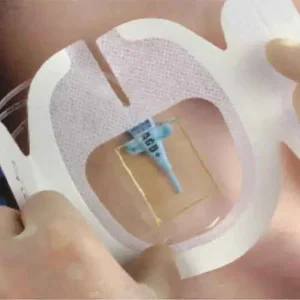
Explore our full range of sterile medical transparent film dressings designed for wound protection and catheter stabilization.
How WER Medical continues to pioneer next-generation technologies to improve patient outcomes globally.
We are integrating chlorhexidine gluconate (CHG) and active ionic silver into our central pads. This provides sustained antiseptic properties inside the wound bed, reducing the proliferation of drug-resistant pathogens—a critical solution for post-surgery wards facing high infection rates in tropical territories.
To reduce global medical plastic waste, our R&D is developing a plant-sourced, bio-degradable polyurethane film. This backing decomposes naturally under soil exposure within 180 days while maintaining the same robust tensile strength and bacterial barrier integrity during clinical use.
Future iterations of our pad dressings will feature pH-responsive color indicators. The outer film will change color if the wound pH drifts toward alkalinity, indicating bacterial proliferation before visible signs of infection occur, saving clinical time in critical care sectors.
Comprehensive technical and commercial guidance for purchasing managers and medical distributors serving the DR Congo marketplace.
Direct pricing, global quality standards, and certified cleanroom manufacturing. Secure your regional supply chain for DR Congo hospitals today.