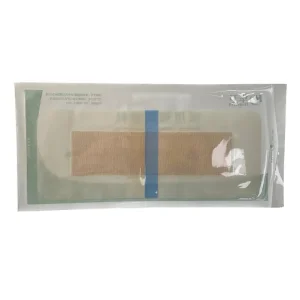
Global Medical Manufacturing Whitepaper

Top China Transdermal Patches Manufacturers & OEM/ODM Supply Chain Solutions

An In-Depth Technical & Strategic Analysis of Advanced Transdermal Drug Delivery Systems (TDDS), Polymer Bio-Adhesives, and Certified Cleanroom Manufacturing Standards

Featured Transdermal & Medical Dressing Portfolio (Part I)

Engineered to international regulatory benchmarks with superior biocompatibility, precision drug delivery matrix design, and pain-free removal properties.
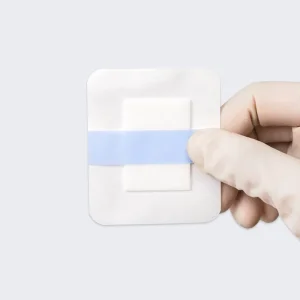
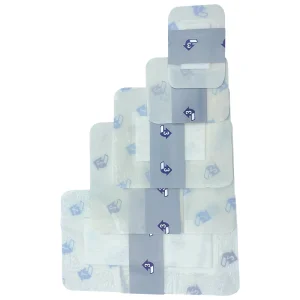
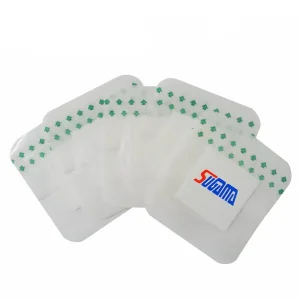
Waterproof Medical Soft Transparent Sterile Adhesive Wound Dressing
Waterproof Medical Soft Transparent Sterile Adhesive Wound Dressing with Absorbent Pad FDA Approved
View Product Details
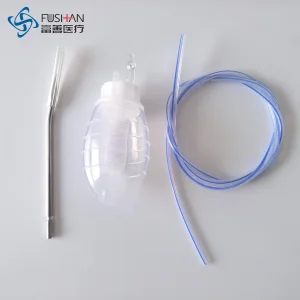
Fushan Silicone Wound Drainage Kit
Fushan Reasonable Quality Best Price Disposable Medical Silicone Wound Drainage Kit Consist of Drainage, Trocar and Reservoir with CE ISO13485
View Product Details
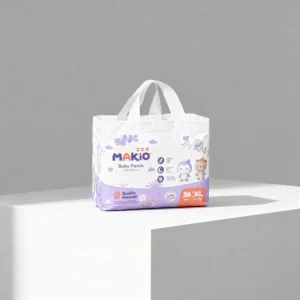
Baby Diapers with Aloe Vera & Vitamin E
Baby Diapers with Aloe Vera & Vitamin E - Skin Protectant, All-Day Comfortable
View Product Details
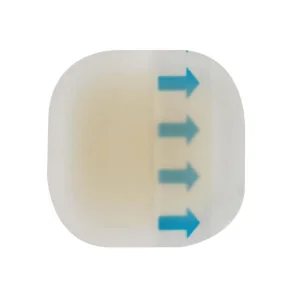
Medical Hydrocolloid Dressing Hydrogel Wound Dressing
Medical Hydrocolloid Dressing Hydrogel Wound Dressing with Thin Border
View Product Details
China Factory Medical Grade Silver Antimicrobial Wound Dressing
China Factory Medical Grade Silver Antimicrobial Wound Dressing Silver Alginate Dressing with AG Ion
View Product Details
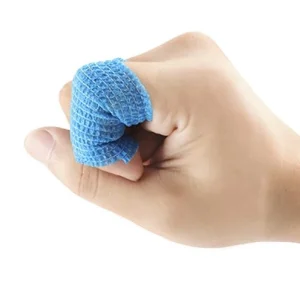
Self-Adhesive Elastic Cohesive Bandage
Self-Adhesive Elastic Grain Compression Non-Woven Cohesive Colorful Bandage
View Product Details
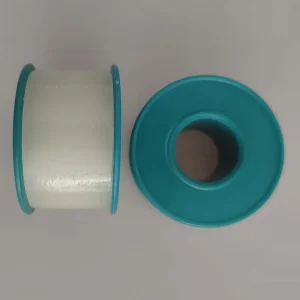
No Allergy Medical Silicone Tape Roll
View Product Details
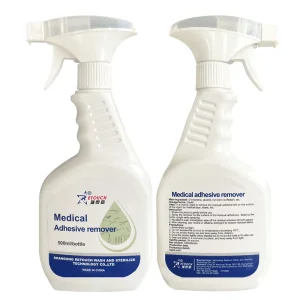
Medical Adhesive Remover for Tape Residual Instruments
Medical Adhesive Remover for Removing Tape From Residual Instruments
View Product Details

Executive Summary: Global Macro Landscape of Transdermal Delivery

The strategic shift from systemic oral administration to targeted transdermal drug delivery systems (TDDS) and advanced bioactive matrix patches.

The global pharmaceutical and medical device ecosystem is undergoing a profound paradigm shift. As healthcare providers prioritize non-invasive therapeutic delivery, patient compliance, and controlled sustained-release dynamics, **Transdermal Patches** and advanced dermal matrix technology have emerged as pivotal solutions. The transdermal market, valued at approximately USD 6.5 billion in recent global assessments, is projected to expand at a compound annual growth rate (CAGR) exceeding 6.8% through 2030.

China has transformed from a low-cost bulk manufacturer into a high-precision, innovation-driven epicenter for advanced transdermal matrix formulation, hydrocolloid technology, and medical-grade adhesive synthesis. China-based contract development and manufacturing organizations (CDMOs) and original equipment/design manufacturers (OEM/ODMs) now provide global pharma brand owners, hospital groups, and healthcare distributors with sophisticated polymer engineering, regulatory compliance dossiers, and multi-layered quality assurance.

6.8%+
Global TDDS Market CAGR
10,000㎡
GMP Cleanroom Production
ISO 13485
Certified Quality Management
100+
Global Regulatory Countries

1. Technological Architecture of Modern Transdermal Delivery Systems

Understanding the engineering behind transdermal patches requires evaluating the primary structural matrix designs utilized in therapeutic, cosmetic, and acute wound care applications. Leading Chinese manufacturers master three core drug delivery matrix paradigms:

Drug-in-Adhesive (DIA) Systems

The active pharmaceutical ingredient (API) or herbal formulation is homogeneously incorporated directly into the pressure-sensitive adhesive (PSA) layer. This produces ultra-thin, highly flexible patches with consistent delivery kinetics and optimized patient comfort.

Matrix Diffusion Systems

Utilizing hydrophilic or lipophilic polymer matrices (such as hydrogels, polyisobutylene, or acrylic co-polymers) to control the release rate of bioactive compounds without relying on rate-controlling membranes, minimizing risk of dose dumping.

Advanced Hydrocolloid & Silicone Matrices

Designed primarily for exudate management, scar reduction, and localized transdermal delivery. Silicone adhesives prevent skin stripping upon removal, while hydrocolloids provide optimal moist wound healing microenvironments.

Information Gain Insight: The shift toward organosilicon pressure-sensitive adhesives (Silicone PSAs) has revolutionized transdermal delivery. Unlike traditional acrylic or rubber-based adhesives, medical-grade silicone maintains constant peel strength over extended wear cycles while offering zero-trauma removal, critical for pediatric, geriatric, and compromised skin applications.

2. Strategic Advantages of Strategic Sourcing from China Manufacturers

Sourcing transdermal patches and specialized medical dressings from premier Chinese manufacturers offers global enterprise partners distinct competitive parameters:

  • Fully Integrated Raw Material Chains: Access to high-purity polyurethane (PU) films, non-woven substrates, medical-grade silver alginates, and specialized silicone polymers produced domestically, significantly mitigating supply chain volatility.
  • Continuous Automated Manufacturing: High-speed precision coating, lamination, die-cutting, and inline camera inspection guarantee uniform matrix thickness, precise API dosage distribution, and minimal defect rates.
  • Agile OEM/ODM Customization: Rapid prototyping of adhesive strength, moisture vapor transmission rates (MVTR), customized die-cut dimensions, and barrier packaging tailored to regional compliance frameworks.

About Our Company – Corporate & Manufacturing Capability

Driving continuous technology innovation and establishing benchmark standards in wound care and medical dressing manufacturing since 2018.

Since 2018, WER Medical has specialized in advanced medical wound dressings, focusing on silicone foam variants, hydrocolloids, and specialized adhesive patches. Our fully automated facilities meet strict FDA / CE MDR and ISO 13485 standards, ensuring top quality across every production batch.

We operate a 10,000㎡ cutting-edge manufacturing plant in Guangzhou, supported by a strategic global sales and operations office in Shenzhen. Years of dedicated research and development in advanced wound care and dermal matrix engineering have yielded world-leading products designed to improve patient quality of life.

Our core foaming and adhesive technology enables safe, highly comfortable healing; imported premium raw materials secure uncompromising quality from the source. With world-class intelligent production lines, the complete manufacturing process—foaming, gluing, punching, forming, and automated primary/secondary packaging—delivers superior dressings consistently.

We are deeply committed to providing international clients with top-quality products, fast delivery timelines, and the most competitive wholesale prices. We firmly believe medical technology enhances health, relieving patients from pain so all may equally enjoy life’s moments and a better life.
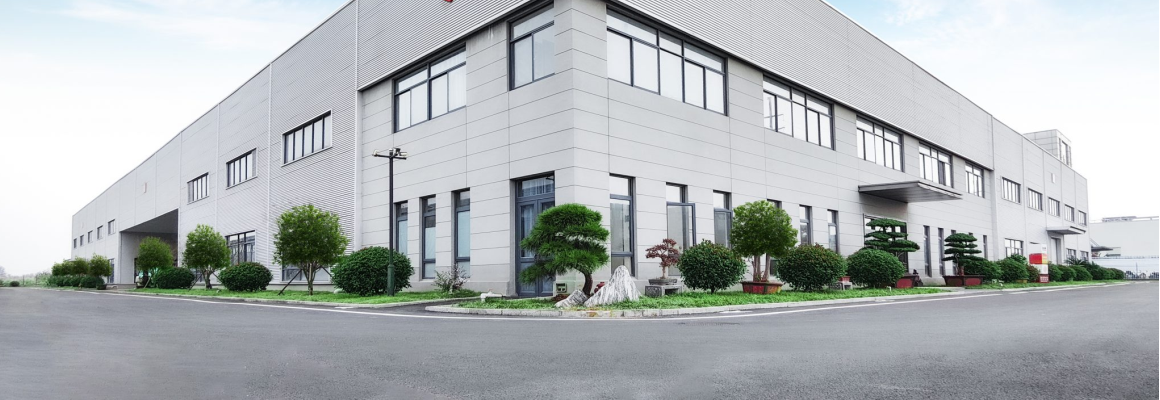
WER Medical Facility and Production Showcase

Product & Package Customization (OEM/ODM Solutions)

WER Medical is a trusted China-based manufacturer of high-quality medical supplies, integrating R&D, precision production, and global sales. We offer fully customized end-to-end services tailored to brand owners, pharmacy chains, and clinical distributors.
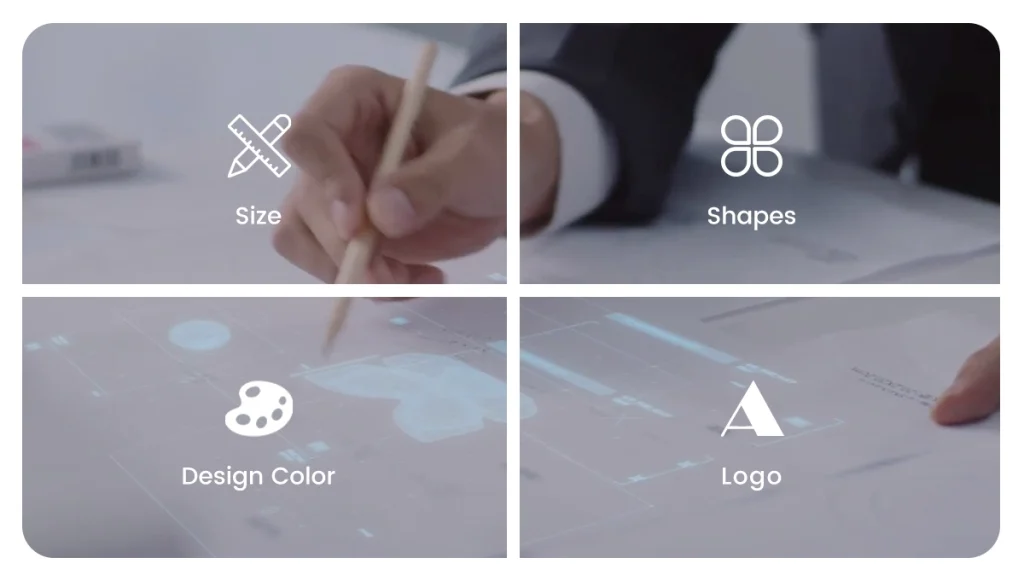
  • Custom shape die-cutting (oval, square, borderless, contoured island designs).
  • Custom active matrix formulations, backing films, and silicone coat weights.
  • Branded retail packaging, pouch printing, box design, and bulk sterile barrier packaging.
Product & Package Customization Showcase

3. Regulatory Compliance & Global Localization Support

Exporting medical devices and transdermal health products requires stringent adherence to international regulatory frameworks. High-tier Chinese manufacturers operate under robust Quality Management Systems (QMS) compliant with:

EU CE MDR (2017/745)

Full technical documentation compliance, clinical evaluation reports (CER), and post-market surveillance (PMS) structures required for European market entry.

US FDA 510(k) & Establishment Registration

Compliance with 21 CFR Part 820 Quality System Regulation (QSR), listing of device codes, and 510(k) clearances for class I and II medical dressings and adhesive systems.

ISO 13485:2016 Certification

Comprehensive quality management covering cleanroom ambient controls, bioburden testing, EO/Gamma sterilization validation, and batch traceability.

To support localized market penetration, top manufacturers provide comprehensive documentation packages, including **ISO 10993 Biocompatibility Evaluation reports** (Cytotoxicity, Sensitization, Intracutaneous Reactivity), Drug Master Files (DMF), stability testing protocols (accelerated and real-time aging), and multi-lingual customer packaging designs.

4. Application Scenarios & Localized Clinical Use Cases

Modern transdermal patches and functional adhesive dressings serve diverse therapeutic sectors across hospital ward settings, home care, sports medicine, and dermatological management:

  • Chronic & Exudative Wound Care: Hydrocolloid and silicone foam dressings manage diabetic foot ulcers, venous leg ulcers, and surgical incisions, maintaining a moist environment while preventing bacterial ingress.
  • Antimicrobial & Bioburden Control: Silver alginate and ionic silver matrices release active AG+ ions continuously to suppress localized bacterial colonies without systemic toxicity.
  • Pain Management & Local Therapy: Transdermal pain relief patches deliver localized analgesics through skin layers, providing sustained relief for arthritis, muscle strains, and chronic neuropathy.
  • Dermatology & Skin Protection: Hydrocolloid acne patches and silicone gel scar sheets accelerate epidermal healing, minimize hypertrophic scarring, and protect damaged skin barriers.

5. Technology Roadmap & Future Trends (2025–2030)

The transdermal industry is rapidly evolving toward smart, bio-interactive delivery platforms. Manufacturers investing in next-generation R&D are focusing on key technological vector innovations:

Dissolvable Microneedle Patches (DMN)

Pioneering microscopic polymer needles that painlessly penetrate the stratum corneum to deliver high-molecular-weight biologics, peptides, and vaccines directly into dermal tissue.

Smart Biosensing Integration

Embedding micro-sensors within hydrocolloid and foam matrices to monitor real-time wound pH, exudate temperature, and biomarker presence, signaling optimal dressing replacement intervals.

Eco-Friendly Bio-Polymer Adhesives

Transitioning from solvent-based chemical acrylics to solvent-free, bio-based, recyclable polymers that reduce carbon footprints while lowering volatile organic compound (VOC) residual risks.

Featured Transdermal & Medical Dressing Portfolio (Part II)

Explore our specialized range of high-performance tapes, hydrocolloids, and custom medical fixation solutions engineered for demanding clinical requirements.
Factory Custom Fiberglass Silicone Adhesive Cloth Film Fabric Glass Fiberglass Self Adhesive Tape
View Product Details
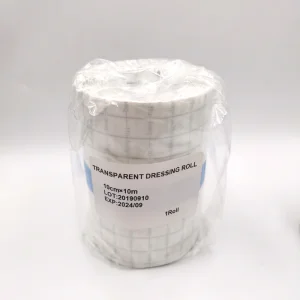
Medical Moist Wound Healing PU Transparent Wound Dressing
View Product Details
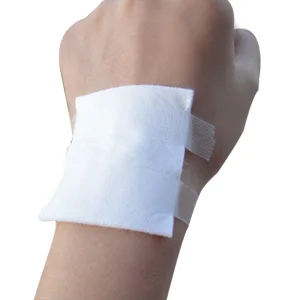
Absorbent Pad Medical Adhesve PU Transparent Waterproof Wound Dressings
View Product Details
Self Adhesive Waterproof Tape Medical Silicone Transparent Tape
View Product Details
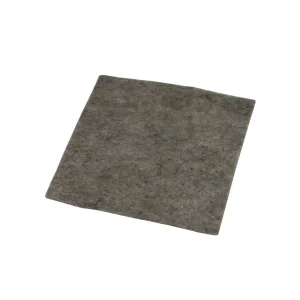
Non-Woven Pad Non-Adherent Pad Waterproof for Wound Dressing
View Product Details
China Manufacturer Supplier Waterproof Transparent PU Island Wound Dressing
View Product Details
TPS Medical Skin Traction Kit Suitable for Children and Adults
TPS Medical Skin Traction Kit Suitable for Children and Adults, with Adhesive Plaster, Directly Sold by The Manufacturer
View Product Details
Oval Hydrocolloid Waterproof Adhesive Wound Care Dressing
View Product Details

Frequently Asked Questions (Technical & Procurement FAQ)

Essential guidance on custom transdermal patch manufacturing, regulatory submission support, and OEM minimum order requirements.
What key certifications do Chinese transdermal patch manufacturers hold for global export?
Leading suppliers like WER Medical maintain ISO 13485:2016 quality management certification, US FDA establishment registration/510(k) clearances, and EU CE MDR compliance certificates. These credentials ensure products meet strict international standards for safety, efficacy, and sterility.
How is skin moisture vapor transmission rate (MVTR) controlled in PU transparent dressings?
MVTR is calibrated by selecting high-grade polyurethane molecular film substrates and utilizing pattern/breathable adhesive coating technology. This maintains an optimal moisture balance at the skin interface, preventing skin maceration while blocking water and pathogens.
What is the difference between silicone adhesive patches and acrylic adhesive patches?
Silicone adhesives offer gentle, bio-compatible adhesion with constant tack, making them suitable for fragile or sensitive skin without causing epidermal stripping upon removal. Acrylic adhesives provide higher initial tack and bond strength for permanent or heavy-duty fixation requirements.
Can WER Medical customize patch shape, adhesive coat weight, and retail packaging?
Yes, WER Medical provides comprehensive OEM/ODM solutions. We manufacture customized patch geometries, adjust polymer layer coat weights, integrate specific active components or absorbers, and produce retail-ready branded foil packaging and display boxes.
What testing procedures ensure bio-compatibility and product stability?
Products undergo ISO 10993 biocompatibility testing (cytotoxicity, sensitization, and irritation testing), accelerated aging studies at controlled temperature/humidity, Franz cell diffusion testing for matrix release rate validation, and microbial bioburden testing prior to release.