WER Medical
WER Medical
WER Medical
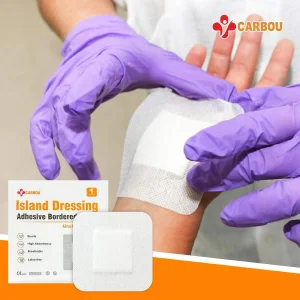
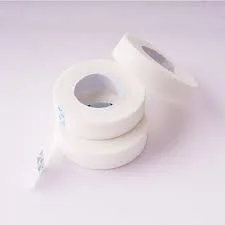
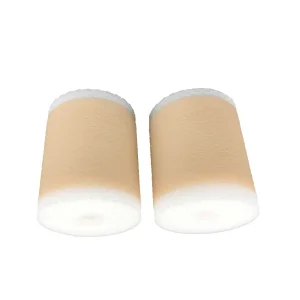
Explore our foundational range of medical dressings, sterilised non-adherents, and specialized surgical tapes engineered to clinical grade specifications.
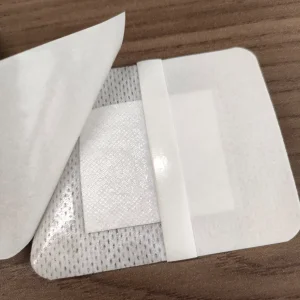
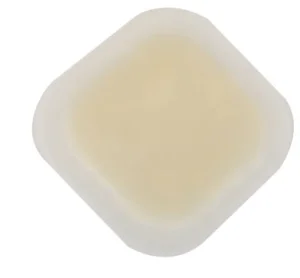
The global wound care market has entered a pivotal transition phase. Traditional dry therapies are rapidly being phased out by advanced wet therapies. Hydrogel wound dressings are at the center of this medical breakthrough. Leveraging highly crosslinked networks of hydrophilic polymers (such as polyvinylpyrrolidone, polyethylene oxide, and polyacrylamide), medical-grade hydrogel dressings provide a cooling, soothing layer that retains up to 90% water content. This unique architecture is scientifically engineered to donor-moisturize dry wounds while regulating exudates to protect healthy surrounding tissues.
Due to the rising clinical incidence of complex etiologies—such as diabetic foot ulcers (DFUs), pressure injuries, and complex venous leg ulcers (VLUs)—hospitals and post-acute care networks worldwide are establishing strict mandates for advanced wound dressings. Hydrogel's primary clinical value lies in its capacity to promote autolytic debridement. By keeping the wound bed humidified, it enables the body’s endogenous enzymes to naturally digest necrotic tissues, accelerating tissue granulation and structural re-epithelialization.
According to comprehensive clinical databases, maintaining a moisture-balanced wound interface increases cellular migration velocity by up to 50% compared to traditional gauze coverings, dramatically reducing healing timelines and eliminating patient pain during dressing changes.
A premier global manufacturer dedicated to clinical innovation, manufacturing integrity, and advanced biomaterial engineering.
Since 2018, WER Medical has specialized in advanced medical wound dressings, focusing on silicone foam variants and hydrogel-integrated structures. Our core foaming technology enables safe, comfortable healing, using imported raw materials to secure quality from the source. With world-class intelligent production lines, the full process—foaming, gluing, punching, forming, packaging—delivers superior dressings.
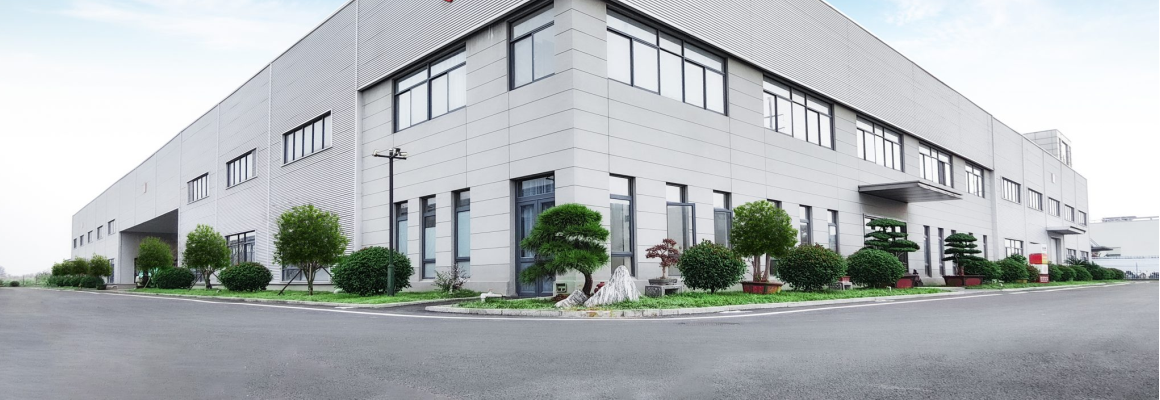
Operating a state-of-the-art 10,000㎡ production facility in Guangzhou, backed by a dedicated global sales, regulatory compliance, and support center in Shenzhen, we ensure prompt logistics and clear communication for international distributors.
WER Medical re-examines the health of life with professional wound care product concepts. We continue to promote the cause of wound care and continuous innovation and change of technology. For every patient to create a new way of wound care, so that they are no longer afraid of pain.
We are fully committed to providing our worldwide clients with top-quality products, rapid delivery times, and the most competitive wholesale prices, believing that medical technology should enhance health and relieve suffering universally.
How WER Medical combines modern robotics with strict clinical standards to deliver cost-effective solutions to international buyers.
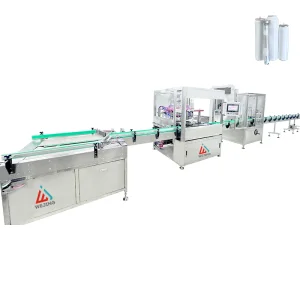
By employing high-speed, fully integrated medical foaming and packaging lines, we eliminate manual positioning errors. Our processing paths operate in a continuous, climate-controlled cleanroom environment, minimizing biological contamination risks.
Every production run undergoes strict quality control. From online cameras checking physical structures to lab tests measuring fluid absorption rates, we ensure consistency across all batches shipped to global clients.
Located in the heart of Southern China's medical manufacturing hub, we maintain strategic partnerships with polymer and silicone suppliers. This integration reduces raw material transit times and shields our clients from volatile market price increases.
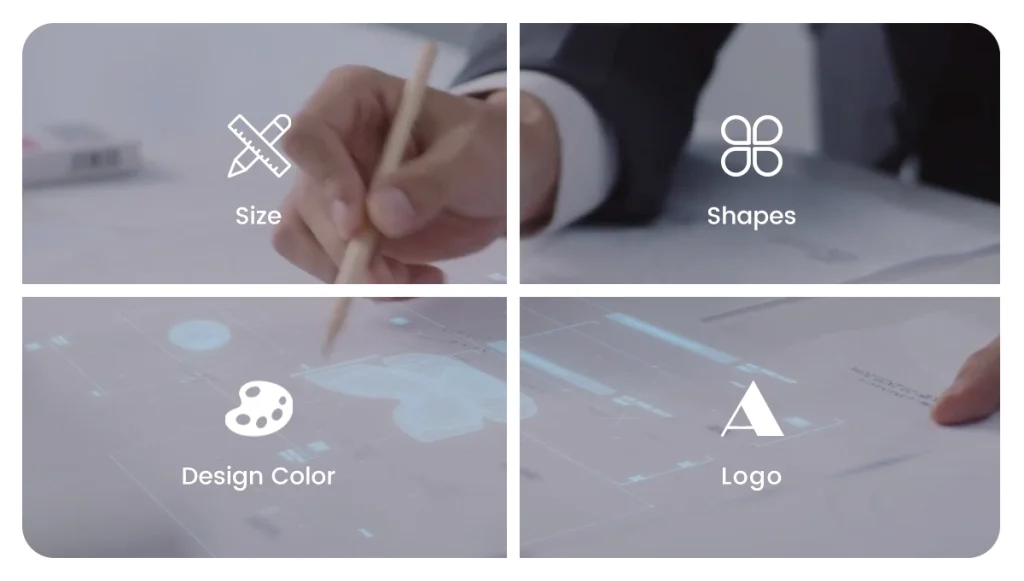
WER Medical understands that different clinical environments and commercial brands require tailored specifications. As a trusted China-based company of high-quality medical supplies, we integrate research, development, production, and sales to offer a comprehensive range of customization options:
Discover how hydrogel and advanced wound care solutions are applied in hospital environments and where the medical technology is heading.
In geriatric clinics and diabetes management facilities, hydrogels act as an essential moisture donor to dry, necrotic wounds. By supporting the autolytic debridement process, they help prepare the wound bed for subsequent therapies.
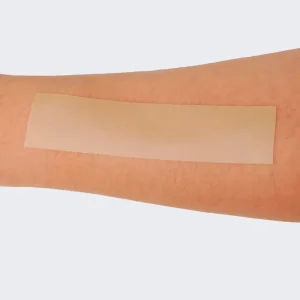
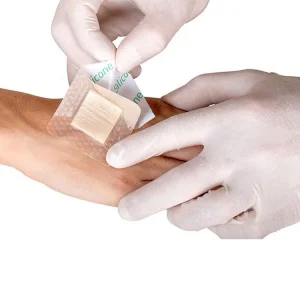
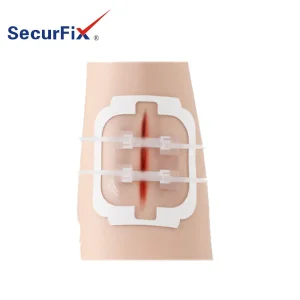
Surgical incisions, especially those prone to heavy friction or minor tension, benefit from the cushioning effect of hydrogel and silicone interfaces. They minimize dressing-change pain and reduce scar formation.
The industry is shifting toward smart wound dressings. Future formulations are designed to integrate antimicrobial agents (such as silver ions) or natural extracts directly into the matrix, enabling controlled-release delivery.
Practical points for medical buyers, procurement officers, and pharmaceutical distributors looking to secure reliable dressing supplies.
Ensure that your manufacturing partner provides comprehensive paperwork: FDA establishment registrations, CE MDR certificates conforming to European standards, and ISO 13485 quality system documents. This documentation helps minimize delays at import customs.
During initial sourcing phases, request data sheets confirming fluid handling capacity, moisture vapor transmission rates (MVTR), adhesive peel strength, and sterilization validations (e.g., EO sterilization or Gamma irradiation verification documents).
Clinical and commercial answers to help procurement managers evaluate hydrogel dressing solutions.
Hydrogel dressings contain a high proportion of water (typically 70% to 90%) suspended within a three-dimensional polymer network. This composition allows them to donate moisture to dry wound beds, which softens black eschar and yellow slough. This moisture donation facilitates autolytic debridement, helping clean the wound using the body's natural enzymes.
Yes, but they require close monitoring by medical staff. In cases of infection, hydrogel dressings are typically paired with systemic antibiotics or integrated with antimicrobial agents (like ionic silver). The dressing must be changed more frequently to manage bioburden levels effectively.
Our manufacturing lines operate under strict class 100,000 cleanroom environments. Following primary packaging, our dressings undergo ethylene oxide (EO) sterilization or Gamma irradiation processes. Each batch is validated and issued a sterility release certificate before shipment.
Most of our advanced wound care products carry a shelf life of 2 to 3 years, provided they are stored in their original packaging under recommended conditions (dry environment, protected from direct sunlight and extreme temperatures).
For customized OEM projects, the typical lead time ranges from 30 to 45 days. This allows for package artwork approval, plate preparation, customized run scheduling, sterilization, and final quality control documentation checks.
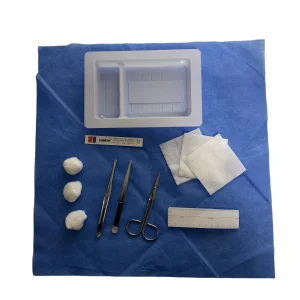
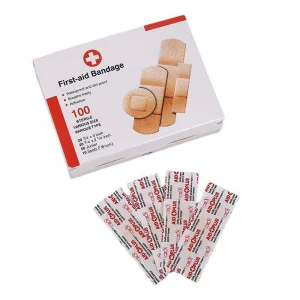
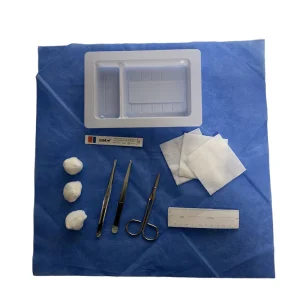
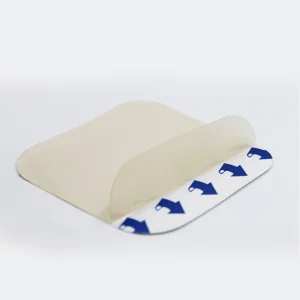
Explore our advanced clinical kits, scar treatment sheets, specialized care products, and industrial production equipment.