WER Medical
WER Medical
WER Medical
Explore our top-tier clinical-grade medical supplies, topical delivery solutions, and sterile wound care products manufactured under stringent ISO 13485 & CE MDR standards.
Understanding the global dynamics of topical dermatological formulations, Active Pharmaceutical Ingredient (API) optimization, and supply chain scaling.
The global market for corticosteroid creams and topical dermatological formulations has entered a transformative phase driven by rising incidences of chronic inflammatory skin diseases, such as atopic dermatitis, psoriasis, eczema, and severe contact dermatoses. Valued at over $5.4 billion globally, the market is projected to expand at a CAGR of 6.2% through 2030. High-potency active ingredients like Clobetasol Propionate, Hydrocortisone, Betamethasone Dipropionate, and Triamcinolone Acetonide represent the backbone of clinical dermatological therapeutics.
For global B2B buyers, pharmaceutical distributors, hospital networks, and private-label brand owners, identifying qualified, compliant, and technologically capable manufacturing partners is critical. Modern procurement extends beyond simple unit-cost negotiation; it requires rigorous auditing of GMP-compliant cleanroom infrastructure, automated aseptic filling lines, bio-equivalence verification, precise rheology control, and transdermal penetration delivery systems.
Surging worldwide demand across North America, Europe, and Asia-Pacific for prescription and OTC anti-inflammatory skin formulations with targeted transdermal delivery.
Shift toward liposomal carriers, steroid-sparing combination regimens, micro-emulsions, and silicone gel barrier integrations to reduce skin atrophy risk.
Mandatory adherence to EU GMP Annex 1, US FDA 21 CFR Part 211, ISO 13485, and ICH Q1A-Q1F stability protocol guidelines for international distribution.
Evaluating technical advancements in transdermal bioavailability, active particle micronization, and multi-functional barrier repair systems.
Traditional corticosteroid creams often suffer from poor active bioavailability due to coarse drug crystal agglomeration. Leading factories now utilize micronization via jet-milling technology to reduce API particle sizes below 5 microns (D90 < 5µm). This drastic surface area enlargement enables uniform therapeutic dispersion, rapid stratum corneum absorption, and eliminates physical grittiness, providing superior clinical tolerance.
To combat the adverse side effects of prolonged topical steroid usage—such as epidermal thinning, telangiectasia, and systemic absorption—top manufacturers are embedding APIs into lipid-nanoparticle and liposomal encapsulation matrices. These vesicular carriers release hydrocortisone or clobetasol in a targeted, sustained manner, maximizing local anti-inflammatory activity while minimizing dosage frequency.
A significant paradigm shift is the integration of advanced medical-grade silicone matrices (such as dimethicone and medical silicone fluid) with corticosteroids. This dual-action mechanism provides immediate pharmaceutical anti-pruritic relief while establishing a breathable, hydrophobic barrier film over compromised skin, reducing Transepidermal Water Loss (TEWL) and accelerating tissue regeneration.
With expanding global regulatory restrictions on harsh paraben preservatives, premier contract manufacturing organizations (CMOs) are installing automated isolator technology and Blow-Fill-Seal (BFS) or airless pump filling equipment. This allows for sterile, preservative-free corticosteroid formulations that dramatically lower allergic sensitization risks in hypersensitive pediatric and geriatric skin.
A structured evaluation methodology for pharmaceutical buyers, OEM partners, and procurement officers selecting topical cream contract manufacturers.
| Evaluation Metric | Industry Standard Requirement | Tier 1 Factory Benchmark (Leading Suppliers) | Procurement Risk Factors |
|---|---|---|---|
| API Purity & Tracing | USP / EP / BP Monograph compliance | 100% Traceable USP Grade, Micronized (D90 < 5µm), CoA certified per lot | Unverified generic API sourcing leading to impurity degradation (ICH Q3A/B) |
| Cleanroom Class | ISO Class 8 (Grade D cleanroom) | ISO Class 7 / Class 100,000 with positive pressure automated isolators | Microbial contamination (Pseudomonas, Candida) causing batch recall |
| Emulsion Stability | Accelerated 40°C / 75% RH for 6 months | Real-time 24-month stability data, phase separation resistance via high-shear homogenization | Cream separation, syneresis, viscosity reduction over shelf life |
| Regulatory Dossiers | Basic CoA and MSDS documentation | Full CTD / eCTD Dossier (Modules 1-5), US FDA DMF, CE MDR Technical Files | Import blockage by FDA/EMA due to incomplete validation records |
| Packaging Integrity | Standard plastic squeeze tubes | Multi-layer barrier aluminum-plastic laminate or airless aluminum tubes with tamper seal | Leaching of phthalates or oxidative degradation through oxygen permeability |
Detailed technical breakdown of state-of-the-art cream emulsification, vacuum processing, and quality control protocol.
Achieving a physically stable oil-in-water (O/W) or water-in-oil (W/O) emulsion requires precise control over phase addition, shear rate, and temperature profile. Top-tier manufacturers utilize vacuum emulsifying mixers equipped with counter-rotating scrapers and high-speed homogenizers (3,000–6,000 RPM). Processing under a high vacuum (-0.09 MPa) eliminates micro-air bubble entrapment, preventing lipid oxidation and ensuring a smooth, mirror-like cosmetic finish.
The therapeutic efficacy of topical corticosteroids depends heavily on spreadability, yield stress, and skin adhesion. Advanced quality control involves rotational rheometers to establish precise yield stress limits. Creams are engineered with pseudo-plastic, shear-thinning properties—remaining viscous inside the aluminum tube to prevent leaking, yet thinning easily upon application for effortless spreading across inflamed or tender dermatological surfaces.
Comparative assessment of leading pharmaceutical & topical wound formulation suppliers across global production hubs.
Key Focus: Advanced Sterile Wound Care, Corticosteroid Carrier Gels, Silicone Foam Dressings & Medical Creams.
Facility: 10,000㎡ Class 100,000 plant in Guangzhou; R&D and global distribution in Shenzhen.
Certifications: US FDA Registered, CE MDR (EU 2017/745), ISO 13485.
Strengths: Fully automated raw-material-to-packaging lines, ultra-pure micronization technology, custom shape/tube OEM packaging flexibility, competitive direct-to-factory pricing.
Key Focus: High-potency prescription steroid formulations (Clobetasol, Betamethasone).
Facility: Munich, Germany.
Certifications: EU GMP, US FDA, PIC/S.
Strengths: Deep clinical research capabilities, specialized bio-equivalence clinical trial support, extensive EU market distribution channels.
Key Focus: OTC Hydrocortisone creams, anti-itch gels, and private label derm-care.
Facility: New Jersey, USA.
Certifications: cGMP, US FDA Registered, Health Canada Approved.
Strengths: Fast turn-around private label packaging, high-speed contract filling, strong presence in North American retail pharmacy chains.
The remaining top manufacturers across the global top 10 list include established pharmaceutical CMOs in Switzerland, India, South Korea, and the UK. These facilities specialize in niche dermatological segments:
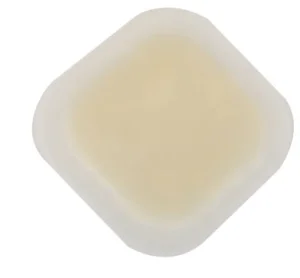
Since 2018, WER Medical has specialized in advanced medical wound dressings, focusing on silicone foam variants and specialized topical skin solutions. Our fully automated facilities meet strict FDA / CE MDR and ISO 13485 standards, ensuring top quality across all product portfolios. We operate a 10,000㎡ cutting-edge plant in Guangzhou, plus a strategic Shenzhen sales office.
Years of R&D in wound care and dermatological delivery have yielded world-leading products. Our core foaming and cream emulsification technology enables safe, comfortable healing; imported raw materials secure high quality from the source. With world-class intelligent production lines, the full process—foaming, emulsifying, gluing, punching, forming, packaging—delivers superior dressings and topical formulations.
We are committed to providing clients with top-quality products, fast delivery, and the most competitive direct-factory prices. We believe medical technology enhances health, relieving patients from pain so all may equally enjoy life’s moments and a better life.
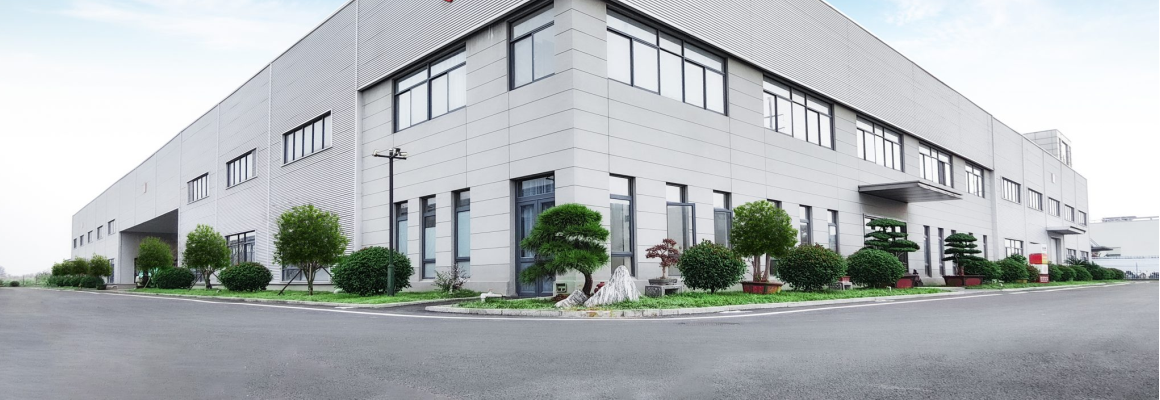
We will continue to work hard to provide you with better products and services. WER Medical re-examines the health of life with professional wound care product concepts, continuing to promote the cause of wound care with continuous innovation and technological evolution.
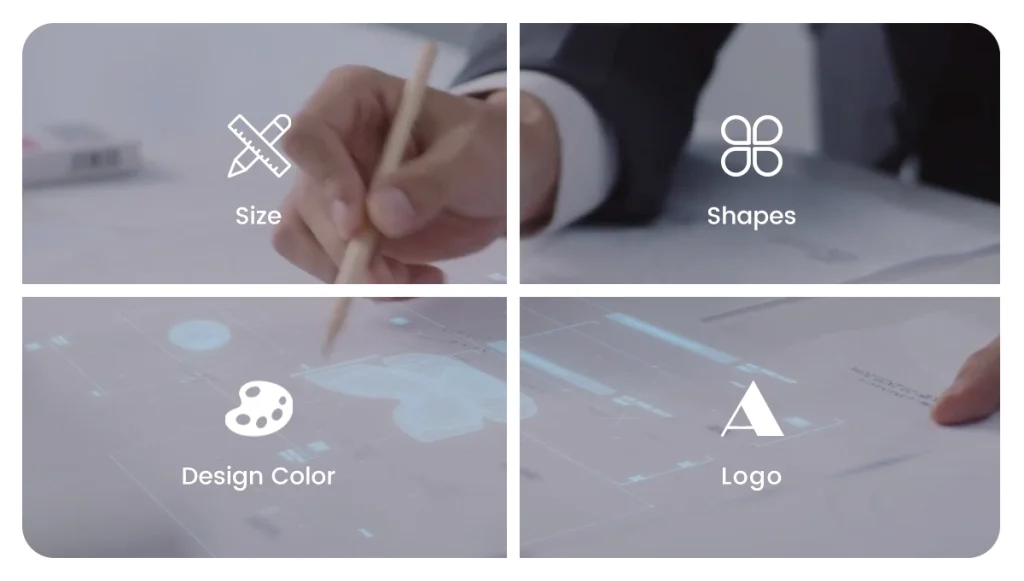
WER Medical is a trusted China-based company of high-quality medical supplies and topical solutions. As a medical dressing and formulation enterprise integrating R&D, production, and sales, we provide customers with comprehensive customized services:
For every patient to create a new way of care, so that they are no longer afraid of pain.
Navigating complex international regulatory barriers for pharmaceutical creams, dressings, and medical devices.
Full facility listing, NDC registration for topical drugs, and 510(k) clearances for advanced medical dressings, guaranteeing seamless US customs entry.
Rigorous compliance with European Medical Device Regulations and EU GMP Annex 1, complete with Technical Documentation files and Notified Body approval.
Localized multi-language packaging compliant with EU EN ISO 15223-1 standards and validated temperature-controlled supply chain management for global shipping.
Forecasting smart transdermal delivery systems, AI-driven stability modeling, and sustainable green manufacturing.
Commercialization of pH-responsive and temperature-sensitive hydro-gel matrices that release corticosteroid APIs only upon contact with inflamed skin tissue, reducing off-target exposure.
Implementation of machine learning algorithms to simulate excipient-API chemical interactions, accelerating stability testing cycles from 6 months down to 48 hours while eliminating trial-and-error laboratory iterations.
Complete industry migration toward fully recyclable sugar-cane aluminum tubes, zero-carbon cleanroom operations, and preservative-free bio-identical lipid bases.
Expert answers regarding active potencies, cleanroom production, OEM timelines, and regulatory compliance.
Topical corticosteroids are categorized into seven potency classes (Class I ultra-high, such as Clobetasol Propionate 0.05%, down to Class VII low potency, such as Hydrocortisone 1%). Professional GMP factories utilize separate, dedicated air-handling systems (AHUs) with negative pressure isolators for high-potency APIs to strictly prevent cross-contamination across production lines.
Long-term stability is maintained through: (1) High-shear vacuum homogenization to prevent phase separation; (2) Micronized API particle distribution to prevent crystal growth; (3) Multi-layer barrier aluminum tubes preventing oxygen ingress; and (4) Strict pH buffering (typically maintained between pH 4.5 and 6.0) to match native skin barrier physiology and prevent chemical hydrolysis.
Standard OEM production lead time is typically 3 to 4 weeks following final artwork approval and raw material validation. For custom formulation development requiring accelerated stability testing (ICH Q1A protocol), lead times range from 6 to 12 weeks depending on specific regulatory registration needs.
WER Medical provides complete technical dossiers (CTD / eCTD format), including Certificate of Analysis (CoA), Certificate of Free Sale (CFS), ISO 13485 test data, biocompatibility reports (ISO 10993), and stability validation documentation required by global health authorities.
Discover our extended line of medical adhesive tapes, scar recovery sheets, sterile packs, and industrial-grade formulation solvents.