Why Are Best Practices for Scar Tissue Massage Important?

Time:2026-09-29 Author:Henry
0%

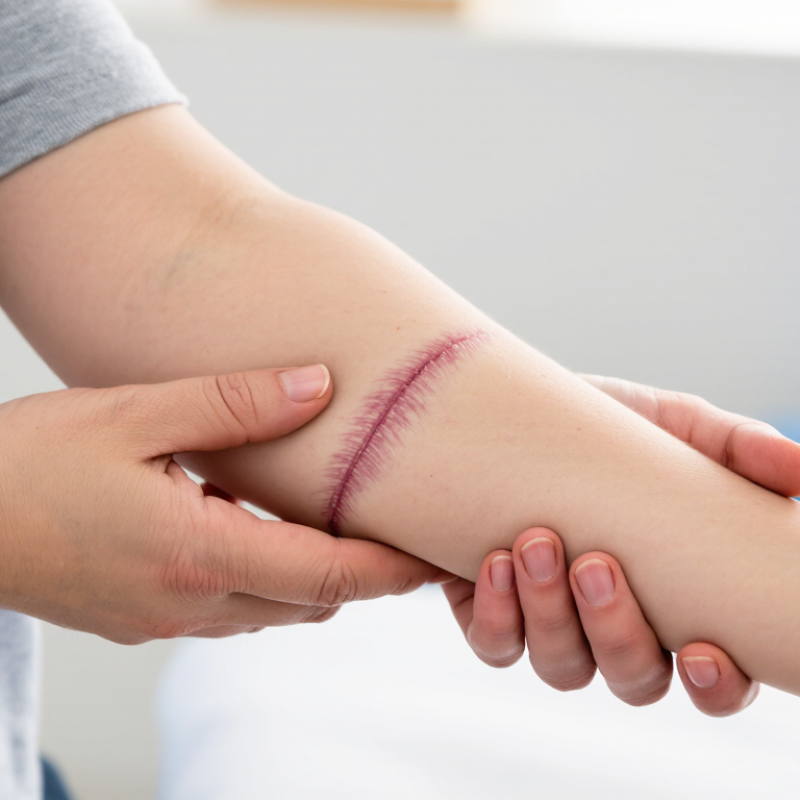
Why Are Best Practices for Scar Tissue Massage Important? Because a scar is not simply a line on the skin. It can feel tight beneath a shirt, pull when a person reaches overhead, or remain tender when touched. Massage may help some people with scar flexibility and comfort, but timing and pressure matter. It should begin only after the wound has fully closed and a clinician has confirmed that massage is appropriate. Redness, warmth, swelling, or increasing pain calls for medical advice—not firmer pressure.

The American Burn Association reports that about 450,000 people in the United States receive medical treatment for burn injuries each year. That figure reflects one source of scarring, not every cause, and it does not show that massage works for every scar. Clinical evidence varies by scar type, treatment, and outcome. That uncertainty matters. Best Practices For Scar Tissue Massage means using gentle, gradual pressure, monitoring the skin’s response, and adapting care to the person—not forcing tissue to change.

A useful expert quotation must be verifiable. No source text or quotation was provided here, so attributing a made-up sentence to a clinician would be misleading. A qualified dermatologist, surgeon, or scar-trained therapist can assess healing and offer individualized guidance. Even careful massage may not suit every scar. That deserves honest attention.
Why Are Best Practices for Scar Tissue Massage Important?

What Scar Tissue Is and How It Forms

A scar forms when the body repairs damaged skin or deeper tissue. The repair process creates collagen, a strong protein that helps fill and support the injured area. New collagen may be arranged differently from the original tissue, so a scar can feel firm, raised, tight, or less flexible. It is part of healing, not a separate material that can simply be rubbed away.

Scar tissue changes over time as collagen is remodeled. Its appearance and feel depend on the injury’s depth, location, healing conditions, and individual factors. Some scars remain sensitive or restrict movement; others cause few problems. Internal scar tissue can also form after surgery or injury, but massage is not appropriate for every case. A fully closed wound is essential, and persistent pain, heat, swelling, or limited movement deserves assessment by a qualified clinician.

Tips: Once a clinician says the skin is ready, begin with light pressure and small circles using clean hands. Notice how the area responds. Gentle movement may help comfort and mobility, but it does not erase a scar. Stop if pain increases, the skin breaks, or irritation appears. Healing is not perfectly predictable. Don’t force it.

Why Best Practices Matter for Scar Tissue Massage

Why Are Best Practices for Scar Tissue Massage Important?

Why Best Practices Matter for Scar Tissue Massage

Scar massage is not simply rubbing a line until it fades. The wound must be fully closed, dry, and free from infection first. The American Academy of Dermatology explains that scars change over time, often for months or longer. Clinical research also remains cautious. A 2021 systematic review in the Journal of Clinical Medicine found that massage may improve scar softness, pain, and itching, but evidence quality was limited across small studies. That matters. More pressure does not always mean better results.

A careful technique protects healing tissue. Use clean hands and a fragrance-free moisturizer, unless a clinician advises otherwise. Move slowly in small circles, then across the scar. Stop if the skin becomes hot, increasingly red, swollen, or sharply painful. The NHS recommends seeking medical advice when a healing wound shows infection signs. A physiotherapist or dermatologist can adjust pressure for surgical, burn, or raised scars. Personal experience helps, but it can also mislead; comfortable skin does not prove deeper tissue is ready.

Tips: Massage for a few minutes, once or twice daily, only after professional clearance. Compare the scar weekly, not hourly. Take photos in the same light. Avoid broken skin, scabs, and aggressive tools. Evidence is still developing. That is easy to forget.

When Scar Tissue Massage Is Appropriate

Scar tissue massage may be appropriate once the wound has fully closed and the skin is no longer weeping, bleeding, or crusted. The timing varies. After surgery or a significant injury, follow your clinician’s instructions rather than relying on a fixed number of days.

Start only when the area can tolerate gentle touch. With clean hands, use light pressure around the scar, then try small circles over it if this feels comfortable. A little tightness can happen.

Sharp pain, fresh redness, warmth, swelling, or drainage are reasons to stop and seek medical advice. Don’t massage a wound that is open or infected.

The right moment also depends on the scar’s cause and your health. A clinician or physical therapist can advise you after surgery, burns, or complex injuries, especially if movement is limited or sensation has changed. People prone to raised scars may need tailored guidance.

Keep sessions brief at first, and notice how the skin responds later that day. It’s easy to press too hard while trying to make progress. Gentle and consistent is safer than forceful.

How to Prepare for Safe Scar Tissue Massage

Why Are Best Practices for Scar Tissue Massage Important?

Safe scar tissue massage begins with preparation, not pressure. Wait until the incision has fully closed and any scabs have disappeared. Ask a qualified healthcare professional when massage is appropriate, especially after surgery or an injury. The skin should look calm, without spreading redness, warmth, drainage, or unusual swelling. Wash your hands and gently clean the area. Dry it completely before touching the scar.

Use a small amount of fragrance-free moisturizer if your clinician approves it. Start beside the scar with light, slow circles. Then move across the scar only as far as the skin comfortably allows. The sensation may feel tight or mildly tender, but sharp pain is a warning. Stop if the area becomes hot, increasingly red, numb, or irritated. A common mistake is pressing harder to “break up” tissue. More force does not always mean better progress. Healing is uneven, and the scar may need more time than expected.

Tips: Keep sessions brief, perhaps two to five minutes. Use clean fingertips, not fingernails. Check the skin before and after massage. Avoid massage over an open wound, fresh stitches, infection, or unexplained bleeding. Keep notes about tenderness and movement. These details can help your clinician adjust the technique safely. Consistency matters, but patience matters too.

Common Mistakes, Risks, and Professional Guidance

Scar massage can help some healed scars feel more flexible, but timing and pressure matter. A common mistake is starting while the incision is still open, scabbed, or draining. Wait until the skin has fully closed and your care team says massage is appropriate. Not sure? Ask before touching it.

Hard pressure is not a shortcut. It may irritate sensitive tissue, increase soreness, or damage fragile skin. Gentle, slow circles with a clean fingertip are usually a safer starting point; the skin should move slightly without sharp pain. Stop if redness, swelling, warmth, bleeding, or discomfort worsens. Too much pressure can set you back.

Another mistake is assuming every scar needs the same technique. Scar location, healing stage, sensation, and medical history all matter. A clinician or physical therapist can show where to place your fingers and how much pressure to use. They can also check a scar that feels unusually tight, painful, or stuck. There is no need to force it. Progress can be uneven, and some days the area may feel more sensitive. That is a reason to reassess, not push harder.

Why Are Best Practices for Scar Tissue Massage Important? — Common Mistakes, Risks, and Professional Guidance
Situation Common Mistake Possible Risk Safer Best Practice When to Seek Professional Guidance
Healing incision or open wound Massaging before the skin has fully closed, or over scabs, drainage, or unhealed areas. May irritate or damage healing tissue and could interfere with wound healing. Do not massage an open or incompletely healed wound. Wait until the skin is fully closed and follow the treating clinician’s instructions. Contact the clinician for wound-opening, increasing redness, warmth, swelling, drainage, fever, or worsening pain.
Newly healed surgical scar Starting massage on a fixed schedule without checking whether the scar is ready. Healing time varies; pressure applied too early may cause irritation or discomfort. Ask the surgeon or healthcare professional when to begin. Start gently only after clearance and when the incision is closed. Seek guidance if healing is delayed, the scar is unusually painful, or there are postoperative restrictions.
Massage pressure and duration Using forceful pressure or continuing despite sharp pain, marked tenderness, or skin irritation. Can aggravate sensitive tissue and cause soreness or skin irritation. Use comfortable, gentle pressure on healed skin. Stop if symptoms worsen; there is no need to forcefully “break up” a scar. Consult a clinician or physical therapist if pain persists or limits movement or daily activities.
Reduced sensation around a scar Relying only on how the area feels while applying pressure. Reduced sensation can make it harder to notice excessive pressure or skin injury. Check the skin visually before and after, use light pressure, and avoid tools or vigorous techniques unless a professional recommends them. Ask a healthcare professional for advice if numbness is new, worsening, or associated with other concerning symptoms.
Raised, thick, or expanding scar Assuming massage alone will flatten every raised scar or repeatedly rubbing an irritated area. May irritate the skin, while delaying assessment of a hypertrophic scar or keloid. Use massage only if the skin is healed and it is comfortable. A clinician can discuss suitable options; silicone products may be considered for some raised scars. Seek assessment if a scar grows beyond the original wound, continues to thicken, itches significantly, or becomes painful.
Scar that feels tight or restricts movement Trying to restore movement through aggressive massage without assessing the cause. Forceful treatment can increase discomfort and may not address deeper tissue restriction. Use gentle, pain-free movement and follow an individualized rehabilitation plan when recommended. A physical therapist or other qualified clinician can assess persistent tightness, restricted movement, or functional difficulty.
Signs of infection or unexpected change Massaging through increasing redness, heat, swelling, discharge, or worsening pain. May aggravate the area and delay appropriate medical assessment. Stop massage and keep the area clean. Do not treat possible infection with massage. Contact a healthcare professional promptly; seek urgent care for severe symptoms or fever.

General note: Scar massage is appropriate only for fully healed skin and may not suit every scar or medical condition. Follow individualized advice from your surgeon, physician, or physical therapist.

FAQS

When is it safe to begin scar massage?

Wait until the skin is fully closed and scabs are gone. Ask your healthcare professional, especially after surgery or an injury.

What should the scar look like before massage?

The skin should appear calm, without spreading redness, warmth, drainage, or unusual swelling. If something seems off, pause and ask for guidance.

How should I start massaging a healed scar?

Wash your hands and dry the area. Use clean fingertips for light, slow circles beside the scar, then across it only as far as feels comfortable.

How long should a session last?

Keep sessions brief, perhaps two to five minutes. Short and gentle is enough to start.

Should I use moisturizer?

A small amount of fragrance-free moisturizer may help reduce friction, but use it only if your clinician approves.

How much pressure should I apply?

Use gentle pressure that lets the skin move slightly without sharp pain. Pressing harder to “break up” tissue may irritate fragile skin.

What signs mean I should stop?

Stop if pain becomes sharp or redness, swelling, warmth, numbness, bleeding, or irritation worsens. Check the area again later.

Can I massage an open or scabbed wound?

No. Avoid massage over open skin, fresh stitches, scabs, infection, or unexplained bleeding. Wait for the skin to close and ask your care team.

Do all scars need the same massage technique?

No. Location, healing stage, sensation, and medical history matter. A clinician or physical therapist can show where to place your fingers and how much pressure to use.

What if the scar feels tight or more sensitive some days?

Progress can be uneven. Keep notes about tenderness and movement, and reassess with a clinician rather than pushing harder.

Conclusion

Scar tissue forms when the body repairs damaged skin and underlying tissue after surgery, injury, burns, or inflammation. Although this healing process is natural, scar tissue may feel tight, firm, sensitive, or limit movement. Best Practices For Scar Tissue Massage are important because thoughtful techniques can support comfort, improve awareness of tissue mobility, and reduce the risk of irritating healing areas. Massage is generally more appropriate after the wound has fully closed and any medical restrictions have been reviewed, rather than during the early stages of healing.

Safe preparation includes washing the hands, checking the skin for redness or drainage, using gentle pressure, and stopping if pain, swelling, bleeding, or unusual sensitivity occurs. Common mistakes include massaging too soon, pressing too deeply, ignoring signs of infection, or assuming every scar should be treated the same way. People with complex wounds, persistent pain, numbness, or limited movement should seek guidance from a qualified healthcare professional. Individual healing varies, so professional advice is the safest way to choose timing and technique.

Henry

Henry

Henry is a dedicated marketing professional with a profound expertise in the company's offerings. With years of experience in the industry, he possesses an impressive understanding of the market dynamics and consumer behaviors that drive success. Henry is committed to sharing his insights through......