WER Medical
Scarring can significantly impact a person’s self-esteem and emotional well-being. Research shows that approximately 40% of individuals report feeling self-conscious about their scars. This concern is particularly relevant for those with visible scars, which can serve as constant reminders of past injuries or surgeries. In light of this, many seek effective strategies on how to improve scar appearance.
The journey towards scar treatment involves a blend of medical insight and personal choice. Data from dermatological studies indicate that topical treatments alone can yield up to 50% improvement in scar texture and color. Yet, the reality is that not all methods are equally effective for everyone. Each scar is unique, requiring a tailored approach. Techniques range from silicone gel sheets to laser therapy and everything in between. However, not every individual will achieve perfect results; some may face disappointments that require adjustment and reevaluation.
It’s essential to balance expectations with realistic outcomes. Understanding how to improve scar appearance cannot rely solely on commercial products. Consultation with professionals, such as dermatologists, can provide personalized guidance. Overall, addressing scars is not just about aesthetics; it’s a complex intersection of physical and emotional health.
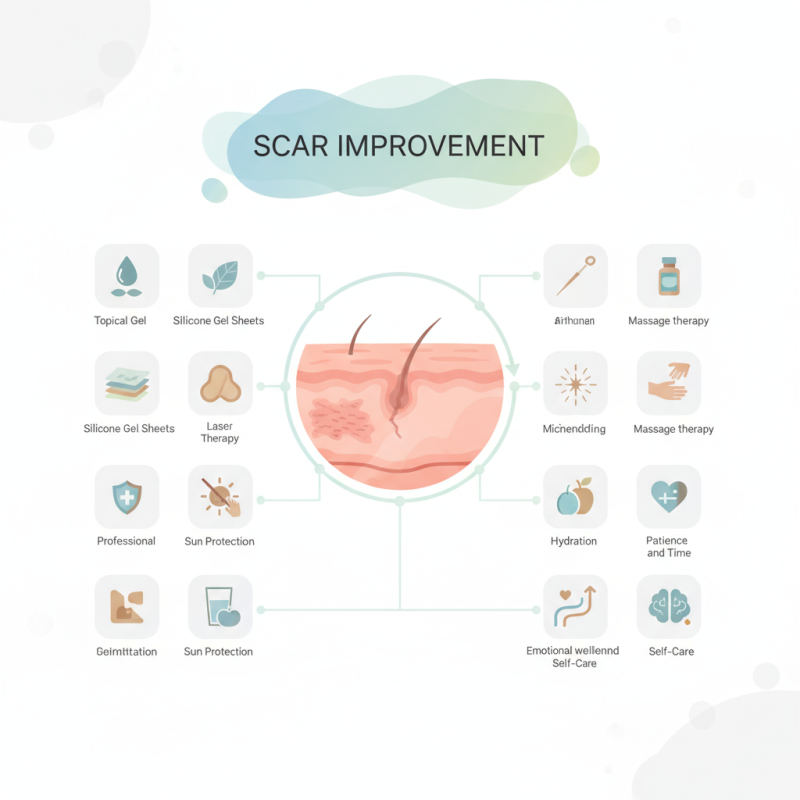
Understanding scar formation is vital for effective healing. Scars develop when the skin repairs itself after an injury. The healing process involves three phases: inflammation, proliferation, and maturation. Understanding these stages can guide you in improving scar appearance.
During the inflammation phase, the body responds to injury. Redness and swelling occur. Skin moisturization is crucial at this stage. Applying a gentle, fragrance-free moisturizer can support healing. Stay hydrated to help your skin regain elasticity.
In the proliferation phase, new tissue forms. Scar tissue may look raised and discolored. Consider gentle massage techniques or silicone gel sheets. These methods can flatten scars and promote smoother skin. Don't neglect sun protection; UV exposure can worsen scar appearance.
Finally, in the maturation phase, scars can fade. However, complete healing can take time. Be patient and consistent with your care routine. Seek professional advice for persistent scars. Regular follow-up is necessary for optimal results. Each scar tells a story, but with attention, they can look better over time.
This bar chart illustrates the effectiveness scores (on a scale of 1 to 10) of various methods to improve the appearance of scars. Treatments such as silicone gel sheets and microneedling demonstrate high levels of effectiveness, while others offer moderate benefits.
When it comes to improving scar appearance, various medical and cosmetic treatments can make a difference. Dermatologists often recommend laser therapy as a highly effective option. This treatment uses concentrated light beams to target scar tissue. Many patients report noticeable improvement after a few sessions, but results can vary. It's essential to consult a specialist to understand what’s best for your skin type.
Microneedling is another popular technique. It involves tiny needles creating micro-injuries to stimulate collagen production. This promotes healing and can soften the texture of scars. However, the procedure may cause some discomfort, so it’s crucial to have realistic expectations.
Topical treatments, like silicone gels, also play a role in scar management. Regular application can help flatten and soften raised scars. While these products are accessible, success depends on consistent use. Not all scars respond the same way, and some may require more intervention than others. Understanding these nuances is key in the journey towards better skin.
Natural remedies for scar management have gained attention in recent years. A study published in the "Journal of Wound Care" indicates that around 45% of people seek alternative treatments for scars. Aloe vera is commonly used, known for its soothing properties. However, scientific evidence on its effectiveness remains limited. Some reports show that aloe can improve scar texture, but results vary widely among individuals.
Coconut oil is another popular remedy, praised for its moisturizing effects. Research suggests it can enhance skin hydration, potentially aiding scar healing. A clinical review showed that consistent use could lead to moderate improvement in scar appearance. Still, this remedy does not work for everyone. Overuse can also lead to clogged pores, causing more skin issues.
Another promising option is vitamin E oil, often recommended for its antioxidant properties. Some studies highlight its potential benefits in scar reduction. Nonetheless, results can be inconsistent, and some individuals may experience allergic reactions. It's essential to approach these remedies with caution and set realistic expectations. While natural treatments may offer some benefits, they are not a guaranteed solution for everyone.
Innovative advancements in scar treatment are emerging constantly, promising more effective solutions. Research shows that laser therapy remains a leading option. It can significantly reduce redness and improve texture. Physicians recommend multiple sessions for optimal results.
Tips: Consider starting your scar treatment early. New scars tend to respond better. Daily sun protection is critical. UV exposure can darken scars.
Another exciting development is the use of silicone sheets. They create a barrier that hydrates the skin. Hydrated skin heals better and scars fade more smoothly. Patients report positive outcomes with consistent use over time.
Despite these advances, not every treatment works for everyone. Individual skin types and scar behaviors vary. It’s essential to consult a healthcare professional before starting any regimen. This tailored approach can lead to better results. Always be realistic about the healing process. Scars may not disappear entirely, but they can improve significantly.
| Method | Effectiveness | Duration of Treatment | Side Effects |
|---|---|---|---|
| Silicone Gel Sheets | High | 8 weeks | Minimal |
| Laser Therapy | Very High | 1-3 sessions | Temporary redness |
| Microdermabrasion | Moderate | Multiple sessions | Mild irritation |
| Chemical Peels | High | 3-6 weeks | Skin peeling |
| Steroid Injections | High | Every few weeks | Skin thinning |
| Cryotherapy | Moderate | Varies by case | Blistering |
| Surgery | Very High | Varies | Scarring |
| Massage Therapy | Moderate | Daily for several months | None |
| Topical Retinoids | High | Continuous use | Irritation |
| Vitamin E Application | Low | Ongoing | Skin irritation |
Scars often carry a psychological weight. They are reminders of past experiences, shaping how we view ourselves. This impact can affect self-esteem and social interactions. Understanding this connection is crucial for coping effectively.
Tips for managing the psychological effects of scars include practicing self-compassion. Acknowledge your feelings towards your scars. It’s okay to feel self-conscious. Building a support network can help, too. Share your feelings with trusted friends or family. This can lessen the burden.
Another effective strategy is to focus on your scars as part of your story. Each scar represents resilience and survival. Engage in activities that boost your confidence. Consider creative outlets like art or writing to express how you feel. Remember, scars do not define your identity. They are simply part of your journey.
: Common remedies include aloe vera, coconut oil, and vitamin E oil.
Aloe vera may improve scar texture, but results vary among individuals.
Coconut oil enhances skin hydration and may moderate scar appearance with regular use.
Vitamin E oil has potential benefits, but results can be inconsistent; allergic reactions may occur.
Scars can affect self-esteem and social interactions, reminding individuals of past experiences.
Practicing self-compassion and building a support network are effective strategies.
Yes, natural treatments may offer benefits, but they are not guaranteed solutions for everyone.
Consider scars as part of your story, representing resilience and survival.
Engaging in art or writing can be beneficial for expressing emotions related to scars.
It's essential to combine natural remedies with realistic expectations and possibly seek professional advice.
In understanding how to improve scar appearance, it is crucial to explore the process of scar formation and healing. Scars develop as a result of injury or surgery, and their appearance can be influenced by several factors, including skin type and the location of the scar. Effective medical and cosmetic treatments are available, ranging from topical solutions to advanced laser therapies, each offering varying results based on individual needs.
Additionally, natural remedies can serve as complementary options; however, their efficacy and limitations must be acknowledged. Recent innovations in scar treatment, supported by ongoing research, continue to provide promising avenues for better outcomes. Furthermore, the psychological impact of scars cannot be overlooked. Addressing the emotional aspects through coping strategies is essential for holistic scar management. Overall, understanding these elements provides a comprehensive approach to improving scar appearance effectively.
