WER Medical
Choosing a post-surgery dressing can feel simple until the package is open and the incision needs care. One option may protect the wound but stick to delicate skin. Another may absorb fluid yet feel bulky beneath a shirt. The best choice depends on the incision, drainage, skin sensitivity, and your surgeon’s instructions. There is no single dressing that suits every person.
This guide to How To Choose Post-Surgery Dressings introduces seven practical considerations, including fit, absorbency, comfort, and when to ask for clinical advice. Professor Keith Harding, a wound-healing specialist, has emphasized that wounds should be assessed in context, not treated by appearance alone. As a paraphrase of that principle: “Choose care based on the wound and the person, not the dressing label.” That distinction matters. A neat-looking incision can still need professional review.
Look closely. Notice redness, fluid, and irritation. Don’t guess. A dressing that worked after one operation may not suit another, and instructions can differ by procedure. This article offers general guidance, not a substitute for your care team’s plan. If the dressing becomes soaked, the wound changes, or you are unsure what to use, contact your surgeon or nurse. Small details matter, and sometimes the right next step is simply asking.
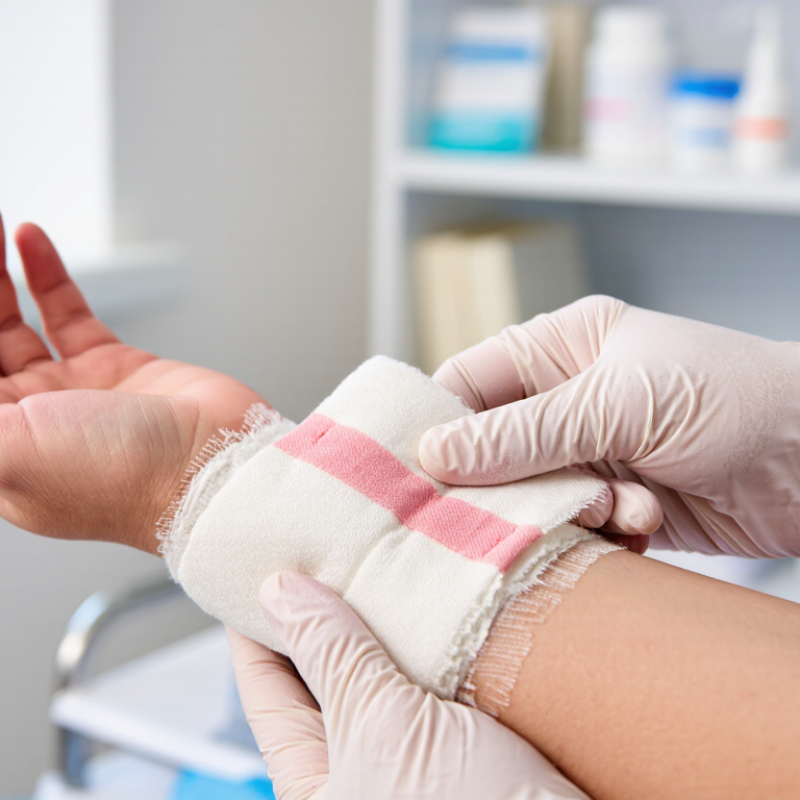
Before choosing a dressing, identify whether the surgical wound is a closed incision, an open area, or a site with stitches or staples. A closed incision may need simple protection, while an open wound or one producing fluid may require a different approach. Follow the surgeon’s instructions; they take priority over general advice. Not always obvious.
Notice the amount and appearance of drainage, without probing the wound. A little clear or pale fluid can occur, but increasing drainage, spreading redness, warmth, worsening pain, fever, or an unpleasant odor warrants prompt medical advice. Small details matter.
Location also affects comfort and protection. A dressing near a joint may need to stay secure as the skin moves, while one under clothing may face rubbing or sweat. Healing changes over time: a fresh incision, a wound still draining, and skin that is closing may not need the same coverage. Keep the area clean and dry as directed, and avoid switching products just because one looks more absorbent. Honestly, dressing choices can feel less straightforward than expected. If the wound’s type or healing stage is unclear, ask the care team to check it.
Your surgeon’s instructions should guide every dressing choice after surgery. The right option depends on your incision, procedure, drainage, and healing stage. A dressing used for one wound may not suit another. Follow the written plan, including when to change it and whether the incision should stay dry. If instructions seem unclear, call the surgical team before switching products.
Check details rather than guessing. Ask whether you should leave the original dressing in place, what supplies to use, and how to secure a fresh one without pulling the skin. Keep the area clean, and wash your hands before touching dressing materials. Small details matter. A tight wrap can cause discomfort, while frequent changes may disturb healing tissue. I might be tempted to choose a dressing that looks more protective, but appearance alone cannot show what an incision needs. Contact your care team if the dressing becomes soaked, loose, or contaminated, or if you notice spreading redness, increasing warmth, worsening pain, pus, or fever. A quick phone call can prevent uncertainty from turning into an avoidable problem.
After surgery, choose a dressing that suits both the wound’s drainage and its need for protection. Light drainage may be manageable with a soft, absorbent pad. For heavier drainage, a more absorbent dressing may help keep surrounding skin dry, but it may need changing more often. A clear film can protect a closed, dry incision from friction, though it may not absorb fluid. The right choice depends on the procedure and your care team’s instructions.
Tip 1: Check the dressing instructions before changing it. Tip 2: Note how quickly it becomes damp. Tip 3: Keep adhesive away from tender or fragile skin when possible. Small details matter. Don’t add creams or switch dressing types unless your clinician approves; some products can irritate skin or interfere with the planned care.
If fluid leaks through, the dressing smells unpleasant, or redness and pain are increasing, contact your healthcare team for advice. A small amount of drainage can be expected after some procedures, but changes deserve attention. I’ve found that judging by appearance alone can be tricky, especially under a bulky pad. When in doubt, follow the discharge plan or ask the clinician who knows your surgery.
| Tip | Assess the wound | Dressing material to discuss | Why it may help | Key caution |
|---|---|---|---|---|
| 1. Follow the surgical team’s instructions first | Whether the incision is closed, covered with a surgical dressing, or has a prescribed change schedule. | The dressing specifically recommended for the procedure. | Postoperative care varies by procedure, incision, and patient; the care team can set the appropriate change and removal schedule. | Do not remove, replace, or add products to the original dressing unless instructed. |
| 2. Match absorbency to drainage | How much fluid is present and whether the dressing becomes wet or saturated. | For drainage, a clinician may recommend an absorbent pad or foam; alginate or hydrofiber dressings may be considered for some wounds with moderate to heavy drainage. | Absorbent materials can help manage wound fluid and protect surrounding skin when selected for the wound. | Alginate and hydrofiber dressings are generally not intended for dry wounds; follow professional instructions for use and removal. |
| 3. Protect a wound that needs a gentle contact layer | Whether the wound surface is delicate or a conventional pad tends to stick. | A non-adherent contact layer, sometimes paired with a secondary absorbent pad. | A suitable non-adherent layer can reduce direct sticking to the wound surface during dressing changes. | Check that the product is appropriate for the surgical site and drainage level; it may not absorb enough on its own. |
| 4. Consider protection from water and friction | Whether the area is exposed to clothing, movement, or occasional moisture. | A protective film or an appropriate bordered dressing may be suitable for selected wounds with little or no drainage. | Some films provide a barrier against outside moisture and friction while allowing visual inspection. | A film is not a substitute for an absorbent dressing when drainage is present. Follow the surgeon’s bathing and wound-care guidance. |
| 5. Choose an appropriate way to secure the dressing | Skin sensitivity, incision location, and whether adhesive could pull or irritate the skin. | A gentle adhesive border, medical tape, or a gauze wrap, as advised for the site. | Suitable fixation helps keep the dressing in place without unnecessary movement over the incision. | Avoid tight wrapping and stop using an adhesive that causes a rash, blistering, or skin injury; ask the care team about alternatives. |
| 6. Make dressing changes practical and gentle | How often the dressing needs changing and whether removal is uncomfortable or difficult. | A dressing type and fixation method that can be changed as directed without excessive pulling. | A manageable change routine can help protect the incision and reduce avoidable disturbance. | Do not change a dressing more often than instructed unless it is wet, soiled, loose, or the care team advises it. |
| 7. Reassess and seek help for concerning changes | Increasing redness, warmth, swelling, worsening pain, wound separation, pus-like drainage, or fever. | Do not try to solve a possible complication by changing dressing materials alone; contact the surgical team. | Changes in the wound or a sudden increase in drainage may need timely clinical assessment. | Seek urgent medical advice for severe symptoms or if the incision opens significantly. |
General information only: the surgeon’s postoperative instructions take priority. Dressing choice depends on the procedure, wound condition, and individual health needs.
Tip 1: Check fit before choosing a dressing. It should cover the incision as instructed, without stretching, bunching, or rubbing when you sit or move. WHO’s 2016 Global Guidelines for the Prevention of Surgical Site Infection report infection rates ranging from 1.2% to 5.2% in high-income settings, with higher rates reported in lower-resource settings. These figures describe varied surgical settings; they are not a prediction for an individual patient. Fit matters. Follow your surgical team’s specific instructions.
Tip 2: Make comfort and skin sensitivity part of the check. Notice whether the edge pulls when you bend, or whether adhesive touches irritated or fragile skin. If you have reacted to tapes before, tell your care team and ask about suitable alternatives. A red, itchy outline can be easy to dismiss, but it deserves attention. Do not assume every “gentle” dressing will suit your skin.
Tip 3: Consider how easily it can be changed. Can you remove it without tugging, and see whether the incision area is wet or soiled? Keep clean supplies within reach, and change the dressing only as directed. If it sticks, leaks, or causes increasing discomfort, contact your care team rather than forcing it off. Small detail, big difference.
Check fit, comfort, skin sensitivity, and ease of changing.
How to read this chart: Bars count the practical checks listed for each tip. They are checklist counts, not clinical ratings or outcomes. Follow your care team’s instructions for your specific wound.
A dressing should protect the incision without trapping excess moisture or pulling at the skin. Follow your surgical team’s instructions, since change times vary by wound and procedure. The World Health Organization’s 2016 surgical-site infection guidelines report 11.8 infections per 100 operations in low- and middle-income settings. That figure is a reminder to take wound changes seriously, not a prediction of your personal risk. A neat, dry pad cannot rule out infection.
Tip: Replace a dressing if it becomes wet, dirty, loose, or soaked with drainage, unless your clinician gave different instructions. Wash your hands before and after handling it. If the pad sticks, don’t tug; ask your care team how to remove it safely. Keep it dry. Check the skin around the edges for spreading redness, warmth, or swelling.
Contact your clinician promptly if pain is worsening, drainage becomes thick or foul-smelling, the incision opens, or you develop a fever. Seek urgent care for rapidly spreading redness, severe symptoms, or feeling very unwell. A small amount of clear drainage may be expected after some procedures, but your discharge instructions matter most. It is easy to wait because a change seems minor. When unsure, call rather than guessing.
Identify whether the wound is a closed incision, an open area, or a site with stitches or staples. Follow your surgeon’s instructions.
Check the care instructions and notice how quickly the dressing becomes damp. Small details matter.
A soft, absorbent pad may manage light drainage. The right choice depends on your procedure and care plan.
A more absorbent dressing may help keep nearby skin dry. It may also need changing more often.
It may protect a closed, dry incision from rubbing. It does not absorb fluid.
Yes. A dressing near a moving joint must stay secure as the skin bends. Under clothing, rubbing and sweat can also matter.
Seek advice for increasing drainage, spreading redness, warmth, worsening pain, fever, or an unpleasant odor. Don’t probe the wound.
Don’t do so unless your clinician approves. Some products may irritate skin or disrupt planned care. Guessing can be tricky.
How To Choose Post-Surgery Dressings starts with understanding the wound’s type, location, and stage of healing. A dressing that suits a small, dry incision may not be appropriate for a wound with more drainage or one that needs extra protection. Always follow your surgeon’s instructions before selecting or changing a dressing, since care recommendations can vary depending on the procedure and your recovery.
Consider how much fluid the wound produces and choose materials that provide suitable absorption and protection without causing unnecessary irritation. A comfortable fit, gentle contact with the skin, and ease of changing can also make daily care simpler. Replace the dressing as directed, or sooner if it becomes wet, dirty, loose, or saturated. Contact your healthcare provider if you notice concerning changes, such as worsening redness, swelling, pain, unusual discharge, or a fever.
