WER Medical
Effective Scar Reduction Techniques are essential for individuals dealing with scars from various causes. Dr. Emily Chen, a renowned dermatologist specializing in skin health, states, "Effective Scar Reduction Techniques can dramatically improve both appearance and self-esteem." This insight highlights the importance of understanding how different treatments work for diverse skin types.
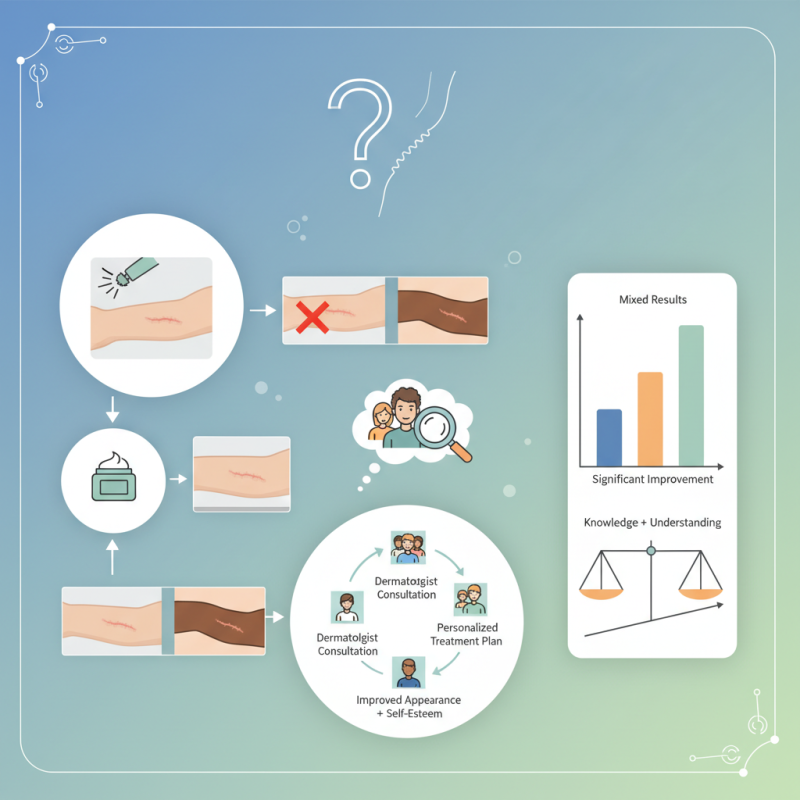
In the quest for scar reduction, many therapies are available, but not all are suitable for everyone. Some techniques, like laser treatments, can yield impressive results but may not work well for darker skin tones. Others, such as topical creams, might be ineffective for deeper scars. Knowing which methods align with your skin type is vital for achieving the best outcome.
Moreover, personal experiences with these techniques can lead to mixed results. Some individuals may find significant improvement, while others may feel disappointed. It is crucial to consult with experts to explore personalized treatment options. Decisions should be made based on knowledge and an understanding of each technique's strengths and weaknesses. With the right guidance, you can navigate the journey to effective scar reduction.
Scars come in various forms, each with unique characteristics. Understanding these differences is crucial for effective treatment. For instance, hypertrophic scars are raised, red, and may fade over time. They often develop after injuries or surgeries. Keloid scars are more severe, extending beyond the original wound. Unlike hypertrophic scars, they tend to grow larger and can be itchy or painful.
Atrophic scars present another challenge. These include acne scars, which can appear as indentations on the skin. Boxcar scars, ice pick scars, and rolling scars are all subtypes. Each varies in depth and shape, affecting overall appearance. The combination of different scar types on one individual can complicate treatment options.
Your skin type also plays a role. Oily skin may develop different scars compared to dry or sensitive skin. It's vital to assess skin conditions before choosing a treatment plan. Consult a professional to tailor solutions to your needs. Not every method works for everyone. Embrace experimentation while remaining realistic about potential results. Understanding your skin and scars is the foundation of effective scar management.
When it comes to scar treatment, understanding skin type is crucial. Different skin types respond differently to various treatments. For instance, oily skin can trap bacteria, making scars more pronounced. In contrast, dry skin may heal poorly, leading to noticeable scars. It's essential to assess your skin type before choosing any treatment option.
Professional consultation is vital for developing a personalized approach. A dermatologist can help identify your skin type through an examination. They may suggest exfoliation for oily skin or hydration for dry skin. Even so, not all treatments work for everyone. Some individuals may react adversely, highlighting the need for trial and careful monitoring.
Consider the emotional side, too. Scars can affect self-esteem. The journey to reduce their appearance can be frustrating. It's okay to seek support during this process. Learning about your skin and making informed choices can lead to better outcomes. Always be open to revisiting your treatment plan as your skin needs change over time.
This bar chart displays the effectiveness of various scar reduction techniques across all skin types. Each technique is rated out of 100, providing a visual comparison to help inform decisions regarding scar treatment selection.
Topical treatments, such as creams and gels, are popular for scar reduction. Many people seek effective solutions to improve their skin's appearance. According to the American Academy of Dermatology, these treatments can be beneficial for various skin types, including sensitive skin.
Hydrated skin is more resilient. Ingredients like hyaluronic acid and silicone can help lock in moisture. A study published in the Journal of Dermatological Treatment shows that silicone gels reduce scar appearance by up to 80%. However, individual results vary. Some may find minimal improvement even after extended use. It's crucial to choose products that suit your specific skin type for better effectiveness.
Consistency is key in topical treatments. Many experts recommend applying these products at least twice daily. Yet, some users become impatient or forgetful, leading to suboptimal results. Patience is essential, as skin regeneration is a gradual process. Keeping realistic expectations can prevent disappointment and encourage adherence to the treatment plan.
Laser therapy has gained traction as a reliable method for scar reduction. This procedure works by targeting the skin with precise laser beams, which stimulate collagen production. As new collagen forms, the appearance of scars may diminish. Patients often report significant improvements, but results can vary. Some people might need multiple sessions to achieve optimal results.
Microneedling is another effective technique worth considering. This method involves using tiny needles to create micro-injuries in the skin. These injuries promote healing and collagen formation. While many find success with microneedling, there can be discomfort during the procedure. Post-treatment redness and swelling are common. It's essential to manage expectations and understand that not every person will respond the same way. Consulting a professional is crucial to determine the best approach for individual skin types and scar conditions.
Lifestyle adjustments play a crucial role in scar healing and prevention. A balanced diet rich in vitamins and minerals supports skin recovery. Foods high in vitamin C, such as oranges and strawberries, promote collagen production. Zinc from nuts and seeds aids in tissue repair. Staying hydrated is vital. Water helps maintain skin elasticity and promote healing.
Regular physical activity also boosts blood circulation. Improved circulation enhances the delivery of nutrients to the skin. However, avoid excessive sun exposure during healing. UV rays can darken scars and hinder their appearance. Utilize appropriate clothing or a sunscreen designed for sensitive skin if necessary.
Additionally, stress management techniques contribute to effective healing. Stress can negatively impact the body's recovery process. Consider incorporating mindfulness practices or yoga into your routine. Reflect on your daily habits and their effects on your skin. Small changes can lead to significant improvements over time, enhancing both healing and prevention.
| Technique | Effectiveness | Skin Type | Lifestyle Adjustment | Notes |
|---|---|---|---|---|
| Silicone Gel Sheets | High | All Skin Types | Apply daily for optimal results | Requires consistent use |
| Hydration | Moderate | All Skin Types | Drink plenty of water | Supports skin elasticity |
| Massage Techniques | Moderate | Sensitive, Oily | Use gentle pressure | Helps break down scar tissue |
| Sunscreen Application | High | All Skin Types | Apply daily, even on cloudy days | Prevents discoloration |
| Vitamin E Oil | Moderate | Dry, Combination | Apply to scar once daily | May improve appearance |
: Skin type affects how scars respond to treatments; oily skin can trap bacteria, while dry skin may heal poorly.
A dermatologist can examine your skin to help identify your skin type and recommend appropriate treatments.
Yes, many topical creams and gels work for various skin types, including sensitive skin, but results can differ.
Ingredients like hyaluronic acid and silicone help lock in moisture and improve skin resilience, aiding in scar reduction.
Consistency is key; experts recommend applying these products at least twice daily for best results.
Laser therapy targets scars with laser beams to stimulate collagen, often requiring multiple sessions for optimal results.
Microneedling can cause discomfort, and post-treatment redness and swelling are common, so pain management is important.
Understanding that results vary and skin regeneration is gradual can help maintain realistic expectations and adherence.
If you see minimal improvement, discuss your concerns with a professional. You may need to try different approaches.
Scars can impact self-esteem, and seeking support can help you navigate the frustration of treatment processes.
Effective scar reduction techniques are vital for individuals seeking to minimize the appearance of scars, regardless of skin type. Understanding the various types of scars, along with their unique characteristics, is the first step in tailoring treatment. Different skin types influence the efficacy of scar treatments, making it crucial to select appropriate options that suit individual needs.
Topical treatments such as creams and gels can provide significant improvements for scar reduction, while professional procedures like laser therapy and microneedling offer more advanced solutions for stubborn scars. Additionally, adopting lifestyle adjustments, including proper skincare routines and sun protection, can enhance healing and prevent future scars. By combining these effective techniques, individuals can achieve better scar management and improve their skin’s overall appearance.
