WER Medical
Managing sensitive skin can be a challenging task for many individuals. According to a survey conducted by the American Academy of Dermatology, over 60% of people report experiencing skin sensitivity at some point. This prevalence highlights the need for effective solutions. One innovative approach involves the use of silicones in skin care. These compounds are known for their ability to form a protective barrier and enhance skin hydration.
Managing Sensitive Skin With Silicone is gaining traction in the dermatological community. Research from Dermatology Times indicates that silicones not only soothe irritation but also lock in moisture. This is crucial for those with conditions like eczema or rosacea, where skin barriers are compromised. Moreover, clinical reports emphasize the non-irritating nature of silicones, making them a safe choice for sensitive skin.
However, it's important to remain cautious. Not everyone reacts the same way to silicones. Personal experiences can vary, and some may still find them irritating. Therefore, a personalized approach is necessary. Consulting skincare experts can help individuals identify the best silicone-based products for their unique skin needs. Balancing science with personal care is key to achieving healthier skin.
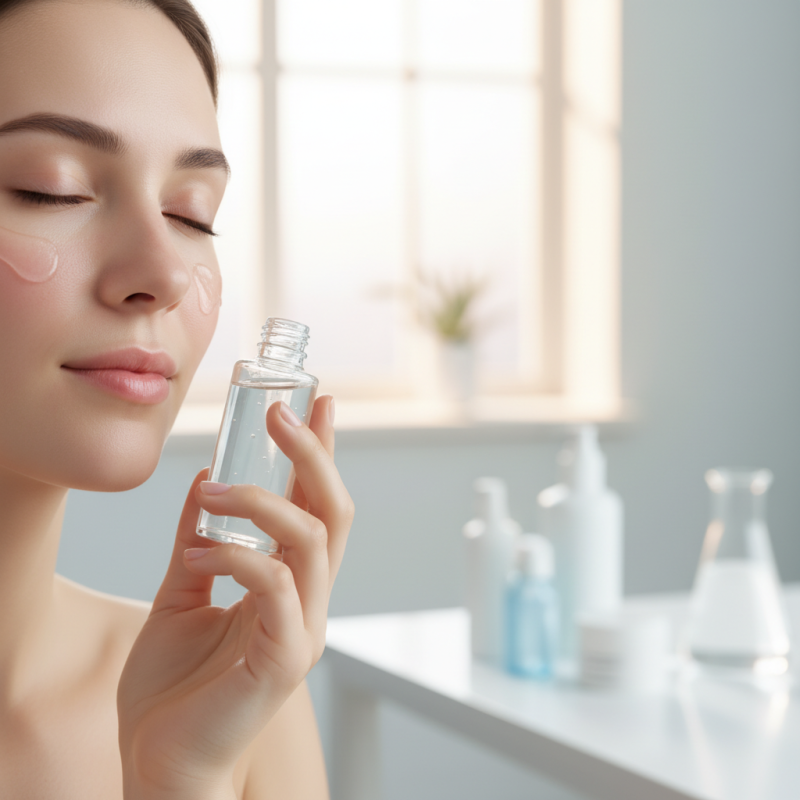
Sensitive skin requires careful attention to its unique needs. According to the American Academy of Dermatology, nearly 60% of adults report experiencing sensitivity at some point in their lives. This skin type often reacts adversely to environmental factors, cosmetics, and even stress. The challenge is to identify triggers. Individuals with sensitive skin may benefit from keeping a detailed log of their reactions to various products and changes in weather.
Research shows that using silicone-based products can often help form a protective barrier, reducing irritation. Silicone creates a smooth layer on the skin, which keeps moisture in and prevents external irritants from penetrating. Healthcare professionals note that this characteristic makes silicone particularly useful for individuals struggling with redness and irritation. However, it’s important to choose silicone solutions carefully. Not all formulations are created equal, and what works for one person may not work for another.
There’s a fine line between soothing sensitive skin and aggravating it further. Some people may find that silicones lead to breakouts or clogging of pores. Understanding your skin's reactions is crucial. Regular consultation with a dermatologist can further enhance the management of sensitive skin. By being mindful and observant, you can derive a skincare routine that addresses your unique concerns effectively.
Sensitive skin often requires special attention. Silicone is increasingly recognized as a beneficial ingredient for skincare routines. It creates a protective barrier that locks in moisture while allowing the skin to breathe. A study from the Journal of Dermatological Treatment suggests that silicone can reduce irritation and enhance skin hydration levels, making it ideal for individuals with sensitive skin.
One tip for managing sensitive skin is to look for products that contain siloxane or dimethicone. These silicones can smooth out the skin's texture, providing immediate relief from dryness and discomfort. Another recommendation is to test a small amount of product on a limited area before full application. This can help identify potential allergic reactions or sensitivity.
Additionally, incorporate silicone-based serums into your routine. These can help deliver active ingredients effectively without causing irritation. A 2020 survey found that 78% of dermatologists agree that silicones can form a protective layer, helping it feel less vulnerable to environmental stressors. Despite these benefits, individuals must remain mindful of their skin's reactions. Any product can cause unforeseen issues; paying attention to your skin's signals is vital.
Choosing the right silicone products for sensitive skin requires careful consideration. Not all silicones are created equal. Sensitive skin can react badly to certain ingredients. Always check formulations for irritants. Look for products that are labeled hypoallergenic.
When selecting silicone-based products, look for non-comedogenic options. This means they won’t clog pores, which is crucial for delicate skin. A soothing silicone gel can provide a smooth application without causing breakouts. Testing a small area first is wise. It helps you see how your skin reacts.
In your daily routine, use silicone products as a barrier against environmental factors. They can lock in moisture and keep irritants out. However, overuse can lead to build-up. Remember to cleanse thoroughly. Balance is key when managing sensitive skin with silicone solutions. It’s not always easy, and it requires monitoring your skin’s response.
| Skin Type | Recommended Silicone Products | Benefits | Usage Tips |
|---|---|---|---|
| Dry Sensitivity | Silicone-Based Moisturizers | Hydrates skin, locks in moisture | Apply on damp skin for better absorption |
| Oily Sensitivity | Matte Finish Silicone Primers | Controls shine, smooth texture | Use before makeup for a flawless finish |
| Combination Sensitivity | Balancing Silicone Gels | Balances moisture and oil | Target specific areas for targeted care |
| Sensitive/Reactive Skin | Hypoallergenic Silicone Serums | Soothes irritation, minimizes redness | Patch test before full application |
Sensitive skin requires careful management, especially when using silicone-based solutions. These products can create a protective barrier, but their application needs attention. Begin by cleansing the skin to remove impurities. Use a gentle, fragrance-free cleanser to avoid irritation. After washing, pat the skin dry with a soft towel. This readiness is key for effective silicone application.
When applying silicone solutions, a little goes a long way. Squeeze a small amount onto your fingertips. Gently spread it across the skin in thin, even layers. Avoid excessive rubbing. Let it absorb fully before applying other products. Be mindful of your skin’s reaction. If redness or irritation occurs, reconsider the amount used. It's important to find the right balance.
Different skin areas may react differently. The delicate skin around the eyes, for instance, might be more sensitive. Adjust the application technique as needed. Consider patch testing in small areas before broader use. This approach can help build confidence in the product without overwhelming sensitive skin.
Sensitive skin can react adversely to many products. Silicone-based skincare can provide a solution. These ingredients help to create a barrier on the skin. This barrier locks in moisture and can reduce irritation. According to dermatologists, silicone products can increase hydration by up to 30%. This is crucial for those with sensitive skin, as hydration supports the skin’s protective barrier.
When incorporating silicone products, a balanced routine is key. Start by choosing gentle cleansers. Follow up with silicone-based moisturizers. Clinical studies highlight that using silicone improves skin texture in 70% of participants. However, some users may experience slight breakouts. Regular patch testing is vital for ensuring compatibility.
Monitoring your skin's reaction to silicone is important. Adjust the amounts used based on your skin’s needs. It’s easy to overuse products, thinking more is better. Finding the right balance can take time. Remaining observant and adaptable makes the process manageable.
: Silicone creates a protective barrier that locks in moisture, enhancing skin hydration and reducing irritation.
Look for siloxane or dimethicone, which smooth the skin's texture and provide relief from dryness.
Apply a small amount to a limited area first. This helps identify any allergic reactions before full use.
Cleanse your skin first, then use a small amount. Spread it in thin layers and let it absorb fully.
Reconsider the amount used. Skin reactions may vary; adjust the quantity to find the right balance for you.
Use gentle cleansers and follow with silicone moisturizers. Monitor your skin's reactions and adjust quantities accordingly.
Some users may experience slight breakouts. Regular patch testing helps in ensuring compatibility with your skin.
Yes, areas like around the eyes may be more sensitive. Adjust your technique and test smaller areas first.
Pay attention to your skin’s signals. You might be overusing it; try applying less for better comfort.
Many dermatologists agree that silicones help form protective layers, but reactions can vary among individuals.
Managing Sensitive Skin With Silicone is a nuanced approach that requires an understanding of the unique needs of sensitive skin. This article highlights the importance of recognizing how silicone can serve as a protective barrier, helping to soothe irritation and mitigate environmental stressors. By selecting the right silicone-based products tailored to individual skin types, users can enhance their skincare regimen without causing additional discomfort.
Further, effective application techniques are essential for maximizing the benefits of silicone solutions. It's advised to incorporate these products thoughtfully into a balanced skincare routine, ensuring compatibility with other products. Ultimately, with the right knowledge and practices, silicone can be an invaluable ally in managing sensitive skin, providing both protection and hydration.