Why Is Gentle Removal of Medical Tapes Important?

Time:2026-09-09 Author:Madeline
0%

Why Is Gentle Removal of Medical Tapes Important?

Medical tape may look harmless, yet its adhesive can grip fragile skin firmly. Removing it quickly may pull away surface cells, disturb healing tissue, or cause small skin tears. The risk increases for older adults, newborns, and patients with diabetes or weakened skin.

Gentle Removal Of Medical Tapes is therefore more than a comfort preference. It is a practical part of skin protection and safe clinical care. Dr. Karen Ousey, a wound-care researcher, expresses the principle clearly: “Protect the skin while removing the tape, not after damage occurs.”

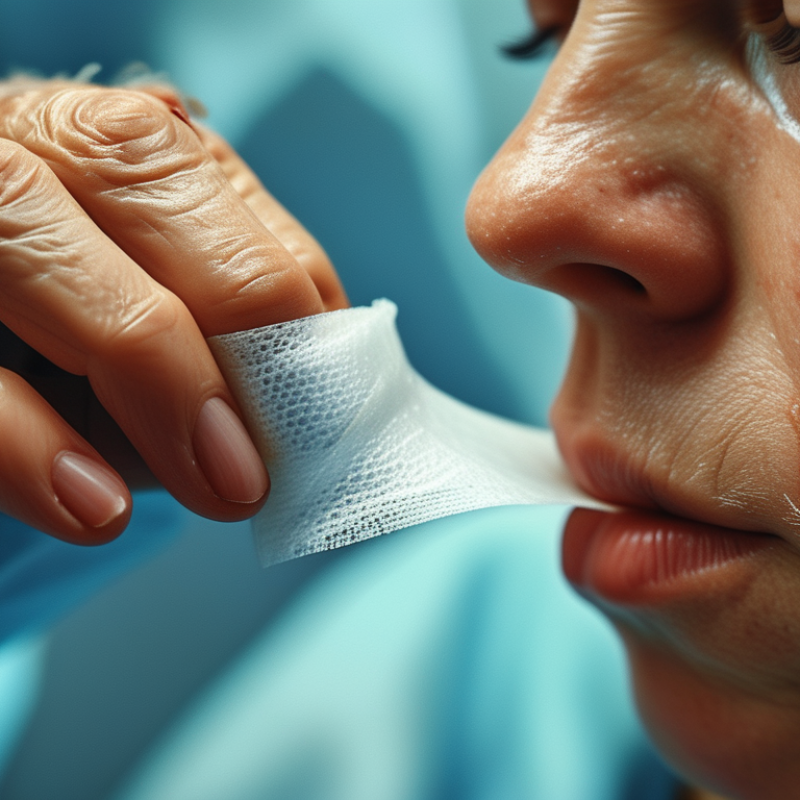
A careful technique begins with clean hands and patient communication. Explain what will happen. Support the surrounding skin with one hand. Peel the tape slowly, keeping it close to the skin. Pulling upward can increase tension. A warm compress or approved adhesive remover may help, but product compatibility still matters.

Small details matter.

A patient may feel only mild discomfort, while hidden damage develops underneath. Redness, blistering, moisture, or a shiny patch can signal irritation. These signs deserve attention, especially when repeated taping is necessary.

Clinical guidance is not perfectly uniform. Skin type, tape material, wound location, and patient condition can change the safest approach. That uncertainty should encourage observation, not rushed routines. When pain is sharp or resistance persists, stop and reassess. Gentle Removal Of Medical Tapes protects dignity, supports healing, and reduces avoidable skin trauma. Sometimes, slower care is the more professional choice.
Why Is Gentle Removal of Medical Tapes Important?

What Medical Tape Does and Why Gentle Removal Matters

Medical tape does more than hold a dressing in place. It protects a wound, anchors tubing, and helps reduce movement during recovery. A secure dressing can limit contamination and keep medication or drainage devices positioned correctly. However, tape is only helpful when it respects the skin beneath it. Poor removal may pull away the outer skin layer, especially when the skin is dry, fragile, or damp. It can also tug body hair, causing pain, redness, small tears, or lingering irritation. Gentle removal supports comfort and helps preserve the skin barrier.

Tips: Wash your hands and explain each step before touching the tape. Check for swelling, blistering, bleeding, or unusual warmth. Hold the skin firmly with one hand. With the other hand, peel the tape slowly and close to the skin, rather than pulling upward. Follow the direction of hair growth when possible. A clinically approved adhesive remover may help, but it should suit the patient and the affected area. Stop if the skin begins to lift or the pain becomes sharp.

A common mistake is removing tape quickly because the dressing seems routine. That shortcut can create avoidable injury. Older adults, infants, and people with allergies may need extra caution. Not every adhesive responds the same way, and no single technique fits every patient. If a wound opens, bleeding continues, or irritation spreads, contact a qualified healthcare professional. Small details matter.

How Gentle Tape Removal Helps Protect Skin and Wound Sites

Why Is Gentle Removal of Medical Tapes Important?

How Gentle Tape Removal Helps Protect Skin and Wound Sites

Medical tape protects dressings, tubing, and fragile wound edges. However, quick removal can pull away the outer skin layer. It may cause redness, blistering, skin tears, or renewed bleeding. The 2019 International Consensus on Medical Adhesive-Related Skin Injury reports that one hospital study found a 15.5% incidence of adhesive-related skin injury. Reported rates vary by patient group and definition. That variation deserves attention.

Gentle removal reduces mechanical stress around healing tissue. Stabilize the skin with one hand, then loosen the tape slowly in the direction of hair growth. Peel it back low and close to the skin, rather than pulling upward. For a wound site, avoid dragging across the wound itself. Older adults, premature infants, and patients using corticosteroids may need extra caution. In practice, even careful clinicians can move too quickly. That is worth reflecting on.

Tips: Check the skin before and after removal. Pause if whitening, bleeding, or sharp pain appears. Use a warm, damp cloth only when clinically appropriate. Never force tape that remains firmly attached. Record any skin reaction, including its size and location. Wound-care guidance from international consensus groups emphasizes documentation, because repeated adhesive exposure can worsen injury and delay healing.

Removing medical tape slowly and close to the skin helps reduce the perpendicular force transferred to the skin and wound area. The chart shows the normalized perpendicular component of peel force at different removal angles, calculated using Fperpendicular = F × sin(angle). A lower angle keeps the pull closer to the skin surface.

Risks of Removing Medical Tape Too Quickly or Forcefully

Why Is Gentle Removal of Medical Tapes Important?

Removing medical tape too quickly can damage more than the adhesive surface. A sudden pull may strip the outer skin layer, especially when skin is dry, thin, swollen, or recovering from illness. It can cause sharp pain, redness, blisters, small tears, or bleeding. In some cases, the tape may disturb a healing incision, dressing, catheter, or monitoring wire. These injuries can delay recovery and create another entry point for germs.

Slow removal matters. Wash your hands, then support the skin with one finger near the tape. Peel the edge back gradually, keeping it close and parallel to the skin. Do not pull straight upward. If the tape resists, pause instead of forcing it. A warm, damp cloth may soften some adhesive, but it should not wet a fresh wound unless a healthcare professional permits it. Adhesive-removing products also require careful label checks.

Clinicians pay special attention to older adults, children, and people with fragile skin. Their skin may tear before the tape visibly lifts. I once thought speed made dressing changes easier; that assumption was careless. Gentle removal often takes only an extra minute. Stop if there is significant pain, active bleeding, wound separation, spreading redness, swelling, or unusual drainage. Seek medical advice when these signs appear, particularly after surgery or around medical devices.

Step-by-Step Methods for Safe and Comfortable Tape Removal

Removing medical tape gently protects the skin barrier and reduces avoidable pain. A systematic review of medical adhesive-related skin injury reported rates ranging from 0.7% to 29%, depending on the setting and definition used. These figures show why technique matters, especially for older adults, infants, and people with fragile skin.

Step-by-step removal should begin with hand hygiene and a brief explanation. Check the tape edges, surrounding redness, and nearby wounds. Lift one corner slowly.

Keep the tape close and parallel to the skin, rather than pulling upward. With the other hand, support the skin firmly. Move in the direction of hair growth, using short pauses when resistance increases.

If the tape sticks strongly, follow clinical guidance for a suitable adhesive remover. Never use force near an open wound, drainage site, or freshly closed incision.

Stop if bleeding, skin tearing, or sharp pain appears. I sometimes underestimate how uncomfortable a “quick” pull can be.

Tips: Warm the tape gently with your hand first. Avoid soaking dressings unless instructed. Do not reuse removed tape. After removal, inspect the skin for blisters, peeling, or persistent redness. Document the reaction and report worsening changes to a qualified healthcare professional. International consensus guidance on medical adhesive-related skin injury also emphasizes prevention, skin assessment, and careful removal as core safety practices.

When to Seek Medical Advice After Removing Medical Tape

Why Is Gentle Removal of Medical Tapes Important?

When to Seek Medical Advice After Removing Medical Tape

Removing medical tape gently helps protect fragile skin and healing tissue. Pulling it quickly can cause small skin tears, bleeding, or renewed irritation. After removal, inspect the area in bright light. Look for wound edges, unusual discharge, and changes in skin color.

Contact a healthcare professional if redness spreads, swelling increases, or the area feels hot and increasingly painful. Yellow or green drainage, a bad smell, fever, or wound separation also needs medical assessment. Persistent bleeding requires attention, especially after firm pressure for several minutes. Seek urgent help for heavy bleeding, facial swelling, or breathing difficulty. These signs should not be dismissed as normal healing.

Tips: Wash your hands before checking the site. Keep the area clean and dry unless advised otherwise. Do not scrub, pick dried blood, or apply unapproved creams. If the tape was covering stitches, a surgical incision, or a drainage tube, follow the clinician’s removal instructions. When uncertain, call the care team rather than guessing. A small amount of redness can occur, but judging its trend is important. I sometimes underestimate how quickly irritation changes, so a photo can help compare the area later.

FAQS

: Why does medical tape need gentle removal?

: Tape holds dressings, tubing, and wound coverings in place. A quick pull can remove the outer skin layer. It may cause redness, blisters, small tears, or renewed bleeding. Gentle removal protects the skin barrier.

How should I prepare before removing tape?

Wash your hands and explain the steps. Check for swelling, bleeding, warmth, or unusual redness. Look closely at nearby wounds and fragile skin. Preparation matters.

Which direction should I peel the tape?

Peel slowly in the direction of hair growth. Keep the tape low and close to the skin. Do not pull it upward. Support the skin with your other hand.

What should I do if the tape sticks firmly?

Pause instead of forcing it. Warm the tape gently with your hand when appropriate. Use a clinically suitable adhesive remover only as directed. Never drag firmly attached tape across an open wound.

When should tape removal stop immediately?

Stop if sharp pain, bleeding, skin lifting, or tearing appears. Also pause when the skin turns pale or white. A quick pull may seem harmless. It is not always harmless.

Who may need extra caution during tape removal?

Older adults, infants, and people with fragile skin need careful handling. People using corticosteroids may also have increased skin vulnerability. Allergies and damp skin can increase irritation. One technique does not fit everyone.

What should I check after removing the tape?

Inspect the area for blisters, peeling, bleeding, or lasting redness. Note the reaction’s size and exact location. Document changes when repeated tape use is likely. Small details matter.

When should a healthcare professional be contacted?

Contact a qualified healthcare professional if a wound opens. Seek help when bleeding continues or irritation spreads. Also report worsening warmth, swelling, or severe pain. Do not wait for minor damage to become larger.

Conclusion

Medical tape helps secure dressings, tubing, and other medical materials, but removing it requires care. Gentle Removal Of Medical Tapes is important because skin around a wound may be tender, fragile, or irritated by moisture and adhesives. Pulling tape too quickly or forcefully can cause pain, redness, skin tears, bleeding, or disturbance of the healing area. A careful approach helps protect both the skin and the wound site while making the process more comfortable.

To remove medical tape safely, wash and dry your hands, support the surrounding skin, and slowly loosen one edge. Peel the tape back gradually in the direction of hair growth while keeping it close to the skin rather than pulling upward. If it feels firmly attached, pause and use an appropriate method to soften the adhesive, following professional instructions. After removal, check for unusual redness, swelling, bleeding, discharge, worsening pain, or signs of infection. Seek medical advice if these symptoms appear, if the wound opens, or if the tape cannot be removed safely.

Madeline

Madeline

Madeline is a dedicated marketing professional with a wealth of expertise in our company's core offerings. With a keen understanding of the industry, she brings a unique perspective to her role, consistently delivering high-quality content that highlights the superior aspects of our products. As......