WER Medical
In the realm of wound care, professionals often find themselves debating the merits of various dressing types. Among these, the "Hydrogel vs Foam Dressing Comparison" remains prominent. Dr. Jane Smith, a leading expert in wound management, shared, “Choosing the right dressing can significantly impact healing times and outcomes.” Such insights highlight the importance of understanding these options.
Hydrogels offer moisture, promoting a conducive environment for wounds. On the other hand, foam dressings provide cushioning and absorb exudate effectively. Both dressings serve distinct purposes and may cater to different wound types. However, the decision may not be straightforward. Each dressing type has its strengths and weaknesses.
A wound's environment matters greatly. Factors like exudate level, wound type, and the surrounding skin condition can dictate the preferred dressing choice. Clinicians often reflect on their experiences and adjust their practices over time. Ultimately, the Hydrogel vs Foam Dressing Comparison requires careful consideration of clinical evidence and patient needs. Each dressing does not suit all situations perfectly. Making informed choices leads to better patient outcomes.
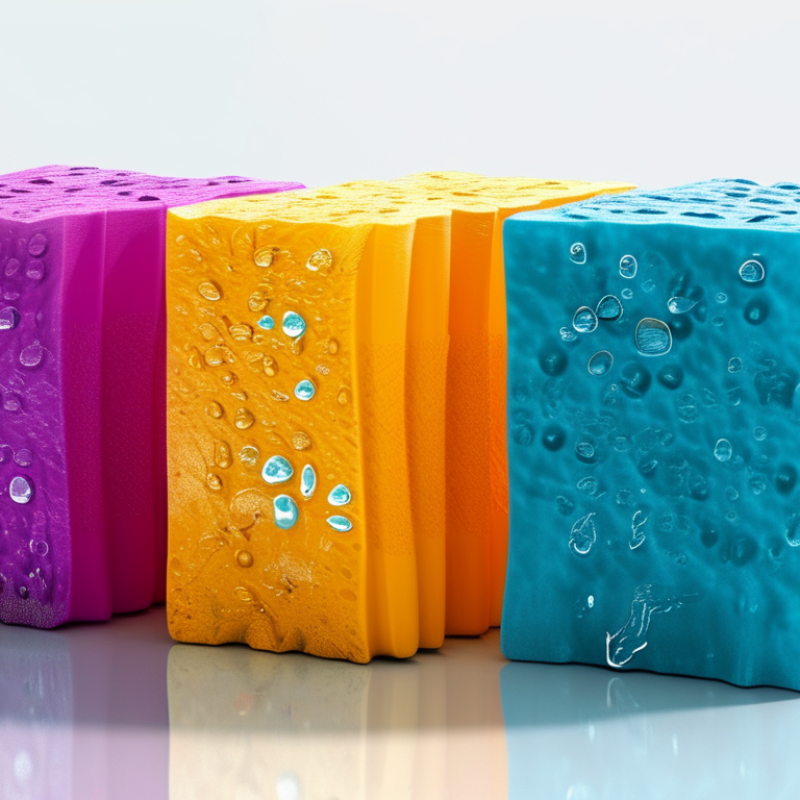
Hydrogel dressings are a popular choice for wound care. They consist mainly of water, which keeps wounds moist. This moisture promotes healing and helps reduce pain. Hydrogel can be useful for a variety of wounds, including burns and ulcers. They are typically gentle on the skin, making them suitable for sensitive areas.
When using hydrogel dressings, it’s essential to keep a few tips in mind. Always clean the wound before applying the dressing. This helps prevent infection. Change the dressing regularly based on the exudate level. Too much moisture can lead to maceration, which may slow healing. Lastly, consult a healthcare professional for advice on appropriate dressings for specific wounds.
Hydrogel dressings also have limitations. They may not be ideal for heavily exudating wounds. In such cases, drainage could become an issue. Therefore, it’s worth considering the type of wound when choosing a dressing. A thorough understanding of hydrogel characteristics can greatly enhance wound management strategies. This knowledge empowers both patients and caregivers to make informed choices.
Foam dressings play a significant role in wound management. They provide a moist environment, which is crucial for healing. The structure of foam dressings allows for excellent absorption of exudate. This feature prevents maceration of surrounding skin, promoting faster recovery.
One key characteristic of foam dressings is their cushioning ability. This protects wounds from external trauma. However, they may not always adhere well to very moist or dry wounds. It's important to assess the wound's condition regularly. Some users might not notice when a dressing has lost its effectiveness.
Another aspect to consider is the breathability of foam materials. They allow for gas exchange while maintaining hydration. However, it’s worth noting that some foam dressings can lead to trapped moisture, which might cause complications. Understanding these characteristics helps clinicians and patients choose the right dressing for healing. Evaluating the wound type and the patient's needs is vital in making this decision.
When it comes to wound care, choosing the right dressing is crucial.
Hydrogel and foam dressings each offer unique benefits in moisture retention and exudate management. Hydrogel dressings are designed to maintain a moist environment, which is essential for promoting healing. They are particularly effective for dry wounds, as they can absorb small amounts of exudate while replenishing moisture. This characteristic helps facilitate cell migration and can lead to faster healing times.
On the other hand, foam dressings are ideal for wounds with moderate to heavy exudate.
They excel in absorbing excess fluid, preventing maceration of the surrounding skin. Their structure creates a cushioning effect, which adds comfort and protection. However, if not changed regularly, they can lead to complications such as odor or infection. It’s essential to evaluate the wound's condition frequently when using either dressing type.
In conclusion, the choice between hydrogel and foam dressings varies based on individual wound characteristics. Understanding moisture levels and exudate management allows for optimized healing environments. Assessing these factors can help practitioners make informed decisions, though sometimes, outcomes may still vary.
When it comes to wound care, hydrogel and foam dressings are commonly debated options. Hydrogel dressings maintain a moist environment, which can help speed up healing. They contain water, making them effective for dry wounds. However, they may not offer the same level of infection prevention as foam dressings. Foam dressings are designed with an absorbent layer that can trap exudate, reducing the risk of infection.
Infection prevention is crucial for effective wound healing. Foam dressings create a barrier that protects the wound from external contaminants. Their absorbent nature helps manage drainage, which is important in preventing infection. On the other hand, hydrogel dressings can become less effective if not monitored closely. They may harbor bacteria if they are too wet for too long.
Healing rates can vary based on the wound type and dressing used. Some studies show that foam dressing may lead to faster healing times. This is particularly true for wounds with moderate to heavy exudate. However, each dressing has its strengths and limitations. The best choice often depends on individual patient needs and wound conditions. Understanding these differences can help in making more informed decisions for wound care.
When it comes to wound care, the choice between hydrogel and foam dressings often centers on cost and accessibility. Hydrogel dressings generally cost more than foam dressings. Their unique properties provide moisture, which can help speed up healing. However, this enhanced function comes at a price. Many patients may find foam dressings more budget-friendly. This makes them a common choice in many clinical settings.
Accessibility is another crucial factor. Foam dressings are widely available in various healthcare facilities. They can be found in hospitals, clinics, and pharmacies. Hydrogel dressings, while effective, may not always be stocked in all locations. This can lead to delays in treatment for patients who need quick access to wound care. Furthermore, some insurance plans may favor foam dressings due to their lower cost, affecting patient choices.
Choosing the right dressing goes beyond cost. Each dressing type has its benefits and drawbacks. While hydrogel offers superior moisture retention, it may not be suitable for all wounds. Foam dressings may not maintain moisture as effectively but offer better flexibility. Patients should weigh their options based on individual needs and circumstances.
: Hydrogel dressings maintain a moist environment, promoting healing, especially for dry wounds.
Foam dressings excel for wounds with moderate to heavy exudate, absorbing excess fluid effectively.
If not changed frequently, foam dressings can lead to complications like odor or infection.
Yes, hydrogel dressings generally cost more due to their unique moisture-retaining properties.
Foam dressings are widely available in hospitals, clinics, and pharmacies, ensuring easier access.
Some insurance plans may favor foam dressings due to lower costs, impacting patient choices.
Yes, the right dressing can facilitate cell migration and may lead to faster healing.
Hydrogel may not be suitable for all wounds, limiting its effectiveness in some cases.
Patients should consider individual needs, costs, and accessibility for effective wound care.
Yes, outcomes may vary based on individual circumstances and wound conditions, requiring reflection.
The article titled "Hydrogel vs Foam Dressing: Which One is Better for Wounds?" provides a thorough examination of the two types of wound dressings. It begins by defining and outlining the characteristics of hydrogel and foam dressings, noting their distinct properties such as moisture retention capabilities and exudate management. The Hydrogel vs Foam Dressing Comparison highlights how each dressing type performs in terms of infection prevention and healing rates, offering insights into their effectiveness in clinical settings.
Additionally, the article delves into the cost analysis and accessibility of hydrogel and foam dressings, providing valuable information for healthcare providers when making choices for wound care. It emphasizes that understanding the benefits and drawbacks of each dressing type is crucial for optimizing treatment and patient outcomes in wound management.
