WER Medical
Choosing waterproof swimwear for swimming requires more than trusting a bold product label. In practice, fully waterproof clothing can feel heavy, trap heat, and restrict shoulder movement. A better choice usually balances water resistance, stretch, comfort, and pool durability. Look for chlorine-resistant polyester blends, tightly constructed fabric, sealed or reinforced seams, and a secure fit around the neck, waist, and leg openings. Small details matter. A loose neckline can let water rush inside during a dive.
Textile engineer and aquatic apparel specialist Dr. Laura Bennett explains, “Waterproof performance comes from the complete garment, not a single coating.” Her point is important. Fabric may repel water, yet poorly stitched seams can still leak. This is where Dressing Waterproofing Methods For Swimming becomes practical rather than theoretical. It includes fabric selection, seam construction, surface treatments, lining choices, and careful maintenance. Each method affects how the garment behaves in real water.
Think about your setting. A recreational swimmer may prefer lightweight protection and easy movement. Open-water swimmers may need thermal layers, abrasion resistance, and stronger closures. Try raising both arms before buying. Bend your knees. Walk a few steps. The suit should stay in place without painful pressure. It should not feel like armor. That can happen.
Care also changes performance. Rinse swimwear with fresh water after every session. Avoid harsh detergents, hot dryers, and direct radiator heat. Even the best fabric weakens over time. One detail is easy to overlook: “waterproof” does not always mean dry skin. This guide examines the evidence, tests the practical compromises, and helps you choose swimwear that protects without sacrificing natural movement.
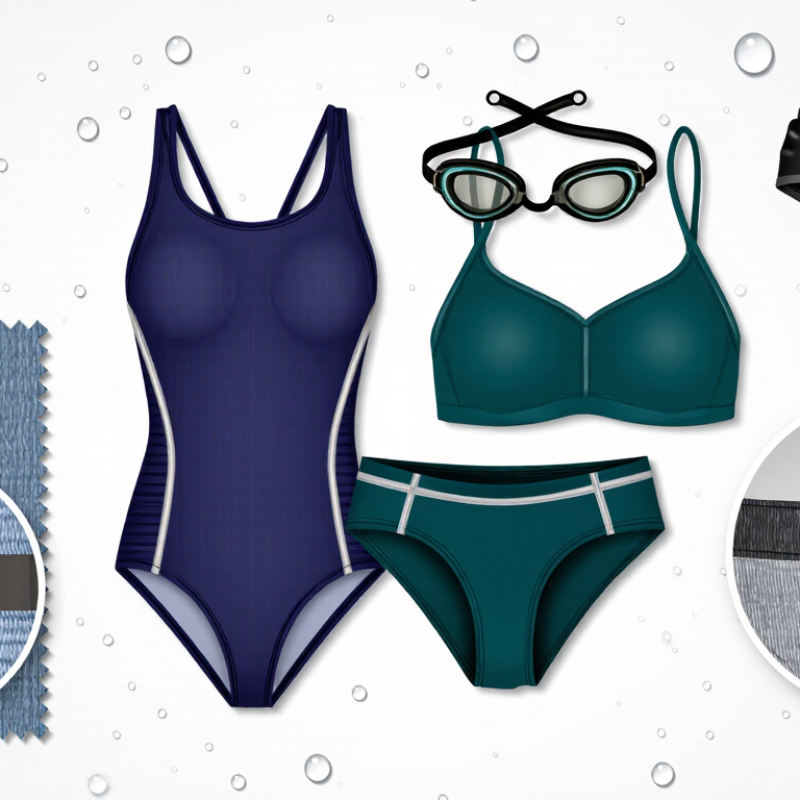
Waterproof swimwear is often misunderstood. No swimsuit stays completely dry underwater. A practical design should resist water absorption, reduce drag, and dry quickly after use. Look for tightly knitted polyester or polyamide fabric with elastane for controlled stretch. The fabric should feel smooth, not heavy, when wet. Small details matter. Flat seams can reduce rubbing, while secure lining prevents uncomfortable movement during repeated strokes.
The Textile Exchange Materials Market Report 2024 states that polyester represented about 59% of global fiber production in 2023. This explains its common use in swimwear, especially where chlorine resistance and shape retention matter. However, recycled or conventional polyester alone does not prove waterproof performance. Ask for test information instead. ISO 811 measures resistance to water penetration under hydrostatic pressure, while AATCC TM22 evaluates surface wetting. These tests offer useful evidence, but neither perfectly predicts comfort in a swimming pool.
From personal fitting experience, the best suit feels firm without restricting breathing or shoulder rotation. Check the leg openings after several squats. Gaps may collect water and cause drag. Excessive compression can also leave painful marks. I would not trust vague claims such as “100% waterproof” without fabric composition, seam construction, and test conditions. Chlorinated water, sunscreen, washing temperature, and frequent stretching gradually weaken performance. The honest choice is usually a suit that manages water well, rather than one promising complete dryness.
Swimwear is generally water-resistant rather than completely waterproof. A lower moisture-regain value means the fiber typically absorbs less moisture from the surrounding environment, helping the garment feel lighter and dry faster. Polyester and elastane are commonly selected for swimwear because they have relatively low moisture regain, while nylon offers good stretch and strength but can retain more moisture. For a practical choice, also check chlorine resistance, UV protection, secure fit, flat seams, and fabric recovery.
Data shown are typical moisture-regain values at standard textile-testing conditions and can vary by fiber blend, fabric construction, and finishing treatment.
Choosing waterproof swimwear starts with understanding what “waterproof” means.
In practice, no swimsuit stays completely dry during active swimming. A reliable suit should resist water absorption, dry quickly, and keep its shape. Look for dense polyester blends, recycled nylon, or fabrics with elastane. Polyester usually handles chlorine better, while nylon feels softer against skin. Elastane adds stretch, but too much may lose recovery over time. Check the fabric after stretching it; it should return smoothly, not remain loose.
Fit controls both comfort and protection.
A suit should sit close to the body without digging into the shoulders, waist, or leg openings. Try raising both arms and bending your knees before buying. Gaps at the back or chest can let water enter and create drag. Seams should lie flat, especially under the arms and near the crotch.
I once chose a tighter size for less drag, but it restricted my breathing during long laps. That was a useful mistake.
Match water protection to the activity.
For pool training, prioritize chlorine resistance, secure coverage, and quick drying. For open water, choose fuller coverage, a snug neckline, and fabric that blocks wind and moderate splashes. A water-repellent finish can help, but it may fade with repeated washing. Rinse the suit in cool water after every swim and avoid harsh detergents. Test claims carefully. “Waterproof” alone says little about durability, fit, or comfort.
Choosing Swimwear for Different Swimming Activities
Waterproof swimwear sounds ideal, but no fabric stays completely dry underwater. Instead, choose materials that resist chlorine, salt, and repeated soaking. For recreational swimming, select a comfortable suit with secure straps and moderate coverage. It should move easily when you stretch, turn, or climb from the pool. I once chose a suit that looked supportive, but its straps slipped during longer laps. Appearance alone is not enough.
Training requires different details. Competitive swimmers often need streamlined fits, flat seams, and strong fabric recovery. These features can reduce drag and prevent uncomfortable rubbing. For open-water swimming, consider a snug suit with thermal support when temperatures drop. Bright colors may improve visibility near boats or other swimmers. However, a tight fit is not always better. Check your breathing, shoulder movement, and skin comfort before buying.
Tips: Test the suit with swimming motions, not just standing poses. Bend your knees, raise both arms, and rotate your shoulders. Inspect the lining and stitching, especially around the legs. Rinse the fabric with clean water after every use. Avoid wringing it harshly, because stretched fibers may lose their shape. For water aerobics, choose secure coverage and flexible fabric. For beach swimming, prioritize comfort, sun protection, and reliable support. My own mistake was ignoring drying time; a suit that stays damp between sessions becomes inconvenient quickly.
Choosing waterproof swimwear starts with comfort, not appearance. A close fit should hold the body gently without leaving deep red marks. Try sitting, stretching, and lifting your arms before buying. If the fabric pulls across your shoulders, swimming will become tiring quickly. Soft, flat seams can prevent rubbing around the neck, waist, and inner thighs. Small details matter.
Mobility depends on fabric stretch and secure construction. Look for materials that recover their shape after movement. The leg openings should stay in place during kicking. Loose straps can distract you in the water. I once chose a suit that looked flexible but felt stiff after several laps. That mistake reminded me to test movement, not just touch the fabric. Waterproof is also an imperfect term. Most swimwear is water-resistant and designed for repeated exposure, rather than completely sealed.
Durability requires checking the stitching, lining, and closures. Dense stitching and chlorine-resistant fabric may last longer in pools. Rinse the suit with cool, clean water after swimming. Avoid wringing it hard or leaving it under direct sunlight. Safety deserves equal attention. Choose a suit with secure coverage and no loose cords that could catch on equipment. Bright colors may improve visibility in crowded pools or open water. Do not rely on swimwear alone for warmth or flotation. Conditions change. A comfortable suit can still be unsuitable for cold water, strong currents, or long sessions.
How to Choose Waterproof Swimwear for Swimming? The real question is how much care it needs over time. In my experience, swimwear with sealed seams and chlorine-resistant fabric performs better during frequent pool sessions. However, “waterproof” can mean different things. Some suits resist water briefly, while others protect better around zippers, seams, and layered panels. Check the construction, not only the label.
Tips: Rinse the suit with cool, clean water after every swim. Remove salt, chlorine, sunscreen, and sand gently. Follow the care label carefully. Avoid fabric softener, hot dryers, and strong bleach. Air-dry it away from direct sunlight. Never twist the fabric tightly. Small habits matter.
A cheaper suit may seem valuable, but replacement costs can rise quickly. A durable suit may cost more initially and keep its shape longer. Look for strong stitching, comfortable lining, and fabric that recovers after stretching. I once ignored a loose seam because the suit still looked attractive. It failed after several swims. That mistake changed how I judge value. Comfort matters too. A suit that needs constant adjustment can reduce swimming time and confidence. Still, expensive does not always mean better. Compare care demands, expected use, drying time, and repair options before buying. Some claims remain unclear, so practical testing and honest user feedback are worth checking.
No swimsuit stays fully dry during active swimming. A good design resists water absorption, dries quickly, and reduces drag. “Waterproof” can be an imperfect label.
Dense polyester blends usually resist chlorine and retain their shape. Nylon often feels softer, while elastane provides controlled stretch. After stretching, the fabric should recover smoothly.
It should sit close without pressing your shoulders, waist, or leg openings. Raise both arms, bend your knees, and rotate your shoulders before buying. Fit matters.
Flat seams can reduce rubbing during repeated strokes. Check them under the arms, around the legs, and near the crotch. Secure lining also helps prevent uncomfortable movement.
Choose chlorine-resistant fabric, secure coverage, and strong shape recovery. A streamlined fit may reduce drag during long laps. Avoid excessive compression if breathing feels restricted.
Look for a snug neckline, fuller coverage, and moderate wind protection. Thermal support can help when the water feels cold. Bright colors may improve visibility near other swimmers.
Copy simple swimming movements in the fitting room. Raise both arms, squat several times, and rotate your shoulders. Check for gaps, painful marks, slipping straps, or restricted breathing.
Rinse it with cool, clean water after every swim. Avoid harsh detergents, high temperatures, and forceful wringing. A water-repellent finish may fade after repeated washing.
No. Water-penetration and surface-wetting tests provide useful evidence, but they cannot predict pool comfort perfectly. Fabric composition, seam construction, fit, and test conditions still matter. I once trusted a vague claim. That was my mistake.
Choosing waterproof swimwear for swimming starts with understanding how it protects the body from water while supporting comfort and movement. Consider fabrics that dry quickly, resist chlorine or saltwater, and offer the right balance of stretch and coverage. A secure but nonrestrictive fit is essential, as overly loose or tight clothing can affect mobility. The required level of water protection also depends on the activity, whether it is casual pool swimming, open-water training, water aerobics, or more active practice. Dressing Waterproofing Methods For Swimming should focus on selecting suitable layers, sealed or well-finished seams, and materials that help reduce water absorption without limiting flexibility.
Comfort, safety, and durability should guide the final decision. Look for swimwear that stays in place, allows a full range of motion, and provides adequate visibility and support when needed. It is also important to compare care requirements, such as rinsing after use, avoiding harsh heat, and following washing instructions. A garment that lasts longer and remains comfortable can offer better overall value than one chosen only for appearance or initial price.
