WER Medical
When recovering from an injury, proper care is essential. Dressing changes play a crucial role in promoting healing. Yet, many overlook their importance. Understanding effective dressing changes for faster recovery can make a significant difference in healing time.
Dressing changes for faster recovery not only help prevent infections but also facilitate a healthier environment for the wound. Regularly changing the dressing keeps the site clean and free from debris. This may seem simple, but many patients struggle with consistency. The correct method can enhance comfort and promote quicker results.
Ultimately, knowledge about dressing changes empowers patients. With the right techniques, you can optimize your recovery process. It's important to remain mindful of your healing journey while acknowledging areas for improvement in your dressing changes.
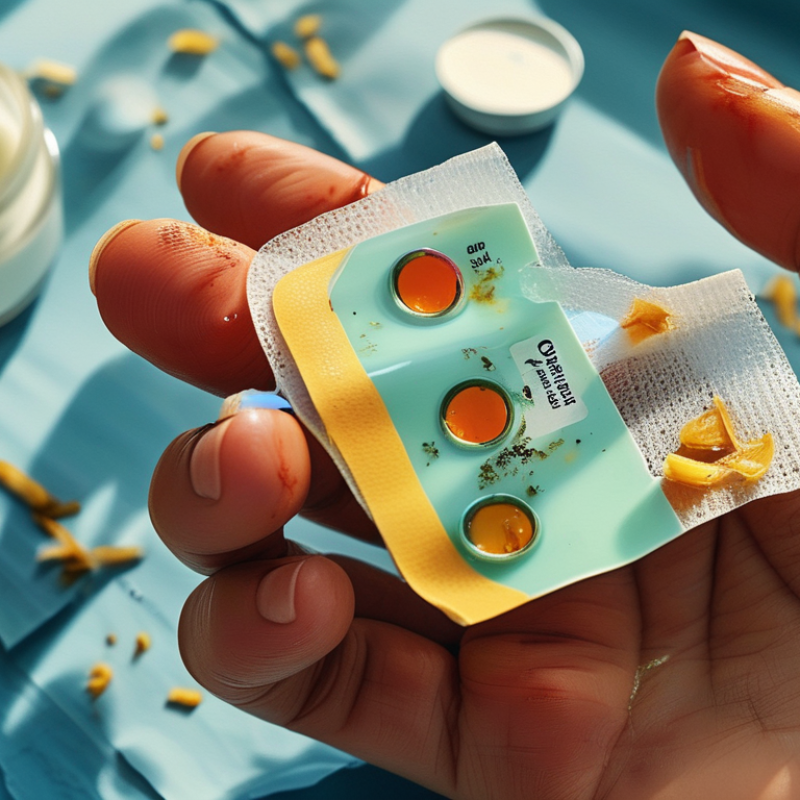
When it comes to recovery, dressing changes are often overlooked. They play a crucial role in healing wounds and preventing infections. Understanding the importance of these changes can lead to faster recovery times. Regularly changing dressings helps keep wounds clean and allows for proper air circulation. This reduces the risk of complications and promotes quicker healing.
Timeliness is key. If dressings are not changed as needed, issues can arise. Infections may develop, and healing can stall. It’s essential to monitor the wound closely. Look for signs of redness, swelling, or unusual odors. These could indicate that a dressing change is overdue. Proper technique matters too. Ensuring sterile conditions can prevent the introduction of bacteria.
Additionally, the choice of dressing can impact recovery. Some dressings are designed to absorb excess moisture, while others provide a barrier against external contaminants. Having a basic understanding of these options empowers individuals to make informed decisions. Engaging with healthcare professionals for guidance is vital. They can provide personalized recommendations based on specific wound types and conditions.
Dressing changes play a crucial role in wound care. The frequency of these changes can significantly impact recovery time. Various factors determine how often dressings need to be changed, including the type of wound, infection risk, and the presence of moisture. A study from the Journal of Wound Care indicates that proper management can reduce healing time by up to 50%.
Moisture levels are critical. Too much fluid can lead to maceration of the skin. Conversely, too little moisture can result in dryness, which can impede healing. It’s essential to find a balance. A report by the Wound Healing Society suggests that maintaining an optimal moisture environment enhances cell migration, crucial for tissue repair. Nurses must assess fluid levels consistently to provide the best care.
Wound type also influences dressing change frequency. Infected wounds require more frequent changes to prevent complications. Non-infected wounds may allow for longer intervals. However, it's sometimes challenging to assess infection visually. Professionals may need further training in recognizing subtle signs. This highlights areas for improvement in clinical education. Even experienced practitioners may overlook these nuances, impacting patient outcomes. Understanding these factors can lead to better recovery strategies.
Changing dressings properly is crucial for minimizing infection risk. Recent studies indicate that nearly
30% of surgical site infections are linked to poor dressing management. Adhering to strict techniques can significantly reduce this percentage.
One effective method involves ensuring that the wound area is clean and dry prior to applying a new dressing.
Using sterile gloves is vital. Research shows that infections are less likely when proper hand hygiene is practiced.
The American College of Surgeons emphasizes the importance of using sterile technique to decrease microbial transmission during dressing changes.
Using an appropriate dressing type for the wound's needs is also essential. A study highlighted that moist wound healing can accelerate recovery,
while dry conditions can promote infection. Observing the wound for signs of inflammation or unusual drainage is critical.
If these occur, further assessment and possibly re-evaluation of the dressing technique may be necessary.
Remember, reflection on current practices can lead to significant improvements in patient outcomes.
Choosing the right type of dressing is crucial for optimal healing. Various studies indicate that the type of dressing used can significantly impact recovery times. For example, a report from the Journal of Wound Care notes that advanced dressings can reduce healing time by up to 50%. This is essential for patients seeking faster recovery without complications.
The choice of dressing should consider the wound’s characteristics. Moisture-retentive dressings, like hydrocolloids, maintain a moist environment which is conducive to healing. Conversely, traditional dry dressings can lead to scabbing and prolonged healing times. Healing also requires nutrition, as wounds need adequate protein for cell regeneration.
Tip: Always assess the wound type before choosing a dressing. For infected wounds, consider using an antimicrobial dressing. Ensure regular changes based on the wound’s exudate levels. Learning to recognize when a dressing should be changed is vital.
Remember, not all dressings fit every wound. An inappropriate dressing might cause irritation or infection. Reflect on the wound environment to identify the best dressing to promote healing efficiently.
| Dressing Type | Healing Benefits | Recommended For | Change Frequency |
|---|---|---|---|
| Hydrocolloid | Moisture retention, reduces pain | Superficial wounds, blisters | Every 3-5 days |
| Foam Dressing | Absorbs excess exudate, cushions the wound | Moderate to heavy exudating wounds | Every 2-3 days |
| Alginate Dressing | Highly absorbent, promotes healing | Wounds with significant drainage | Daily to every 2-3 days |
| Transparent Film | Protects against infection, allows for moisture vapor | Superficial wounds, IV sites | Every 5-7 days |
| Hydrogel Dressing | Provides moisture, soothing effect | Dry and necrotic wounds | Every 1-3 days |
When caring for wounds, knowledge of when to change a dressing is crucial. There are several signs that indicate a dressing needs to be replaced. One key indicator is the presence of excessive moisture. Wet dressings can become breeding grounds for bacteria, which may lead to infection.
Another sign is visible dirt or debris in or around the dressing. This contamination can hinder healing and increase the risk of infection. If you notice an unusual odor, it's a signal to act. An odor may indicate an infection or tissue breakdown, making it vital to perform a dressing change.
Regularly checking for changes in color or swelling around the wound is important. Redness and swelling might suggest inflammation, while changes in wound color can reflect underlying issues. It’s essential to trust your instincts. If something feels off, it’s better to be cautious and change the dressing promptly. Remember, healing is a complex process that often requires adjustments.
: Dressing changes help heal wounds and prevent infections. They keep wounds clean and promote faster recovery.
The frequency of changes depends on the wound type, infection risk, and moisture present. Observe the wound closely.
Look for redness, swelling, or unusual odors. These signs indicate that a dressing change may be overdue.
Too much moisture can cause maceration. Too little can lead to dryness. Balanced moisture is crucial for healing.
Yes, different dressings impact recovery. Moisture-retentive dressings can speed up healing, while dry dressings can slow it down.
Assess the wound type and condition. Use antimicrobial dressings for infected wounds to promote better recovery outcomes.
Proper technique is essential. Ensuring sterile conditions can prevent infections and complications during healing.
Recognizing subtle infection signs can be difficult. This highlights a need for improved training and education in wound care.
Adequate protein is needed for cell regeneration. Good nutrition supports the overall healing process in wounds.
Consider the wound environment carefully. An inappropriate dressing could lead to irritation or infection.
Dressing Changes For Faster Recovery play a crucial role in the healing process. Understanding the importance of timely dressing changes can significantly impact recovery outcomes, as it helps prevent infections and promotes optimal healing. Various factors, such as the type of wound, location, and moisture levels, influence how often dressing changes should be performed.
Moreover, employing proper techniques during dressing changes is essential to minimize the risk of infection. Choosing the right type of dressing tailored to the specific needs of the wound further aids in recovery. It is equally important to recognize signs that indicate when a dressing should be changed to ensure the best possible results. By adhering to these principles, patients and caregivers can enhance the healing process and foster quicker recovery.