Comparing Top Wound Care Materials for Global Buyers?

Time:2026-07-21 Author:Sienna
0%

In the dynamic field of wound care, selecting the right materials is crucial. Comparing Different Wound Care Materials is essential for healthcare professionals and global buyers alike. The global wound care market is projected to reach USD 22.3 billion by 2024, growing significantly due to the rising prevalence of chronic wounds. As reported by the World Health Organization, an estimated 1.5% of the global population suffers from chronic wounds, highlighting the urgent need for effective treatment options.

Different materials perform variably in healing and patient comfort. Hydrocolloids, foams, and films each offer unique benefits, yet their efficacy can vary based on wound type and patient circumstances. For instance, a study published in the Journal of Wound Care reported that hydrocolloid dressings promote moisture retention and enhance healing rates for ulcerative wounds. However, there are scenarios where these materials may not provide optimal outcomes. Misjudging the suitable dressings can lead to prolonged healing times and increased healthcare costs.

Evaluating wound care materials requires a nuanced approach. Factors such as budget constraints, local availability, and specific patient needs must be considered. While large suppliers offer a vast range of products, smaller regional manufacturers often provide tailored solutions. This complexity makes thorough comparison essential for achieving optimal patient outcomes.
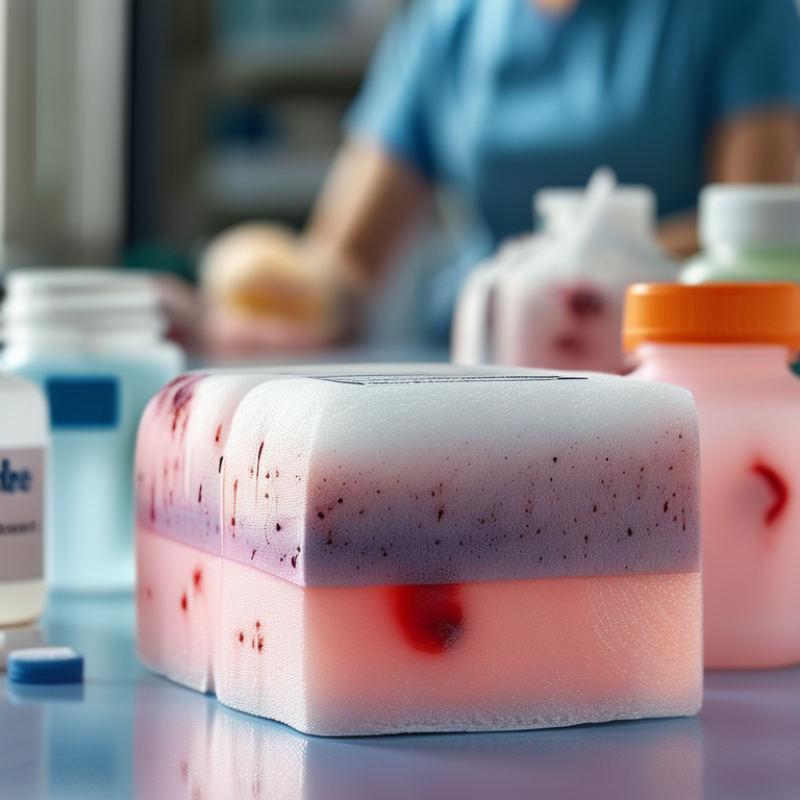
Comparing Top Wound Care Materials for Global Buyers?

Comparative Analysis of Wound Care Materials: A Market Overview

Wound care materials vary significantly across regions. Understanding these differences is crucial for global buyers. The market offers an array of options, including dressings, gels, and advanced biological materials. Each type has specific functions and benefits. For example, some materials promote faster healing. Others provide better infection control.

Recent trends in wound care materials show an increased interest in bioengineered products. These innovative solutions can enhance healing environments, but their availability often differs by location. Some regions may lack access to advanced materials. This can limit treatment options for healthcare providers. Global buyers must consider local regulations and availability when sourcing materials.

Performance claims in wound care can sometimes appear exaggerated. Buyers should critically evaluate product specifications and clinical evidence. Understanding the real-world effectiveness of these materials is essential. Engagement with healthcare professionals can provide valuable insights. This information helps in making informed purchasing decisions. The landscape of wound care is ever-evolving, highlighting the need for ongoing research and adaptation.

Key Types of Wound Care Materials: Dressings, Bandages, and Treatments

Wound care materials play a crucial role in healing. Understanding the different types can help global buyers make informed choices. Key categories include dressings, bandages, and treatments.

Dressings are critical for protection. They cover the wound and keep it clean. There are various types of dressings, including hydrocolloid and foam. Each type has unique properties suited for different wound conditions. For instance, moisture-retentive dressings are beneficial for chronic wounds. However, they require proper handling to avoid irritation. Bandages, on the other hand, offer support and compression. They stabilize the area and can help with swelling.

Tips: When choosing wound care materials, consider the wound type. Also, think about the patient's comfort. Evaluate how often the dressing needs changing. These details can impact recovery significantly. Treatments, such as ointments and gels, aid healing. They may contain antiseptic properties to reduce infection risks. Remember, not all treatments suit every wound type. It's important to seek professional advice before making selections.

Global Market Trends: Growth Rates and Consumer Preferences in Wound Care

The global wound care market is experiencing significant growth. Factors like rising healthcare spending and increasing incidences of chronic wounds are driving this trend. Consumer preferences are evolving as well. There is a shift towards more advanced and versatile wound care materials. Buyers are looking for solutions that offer ease of use and comfort.

Research indicates that patients prefer materials that promote faster healing. This preference is critical for manufacturers when developing new products. Many consumers seek products with antimicrobial properties. The demand for sustainable and eco-friendly materials is also noticeable. However, some products may not deliver as promised, leading to frustration among users.

As the market expands, it presents challenges too. Not all materials may be suitable for every wound type. This can result in mismatched expectations. Buyers need to be educated on proper product selection. Continuous feedback from users is essential to improve offerings in the wound care sector. Understanding these nuances can help buyers make informed decisions.

Cost Analysis of Top Wound Care Products: Value for Money Considerations

When evaluating wound care materials, cost analysis is crucial. Reports indicate that wound care products can vary significantly in price. A comparative study found that advanced dressings can cost 30% more than basic options. However, the overall value must consider effectiveness and patient outcomes.


For instance, a recent study revealed that investing in better materials reduced healing times by up to 25%. This suggests that higher upfront costs could lead to lower long-term healthcare expenses. Not all expensive products guarantee superior results, though. Some may lack adequate evidence to support their efficiency.


Healthcare providers must focus on the overall cost-per-outcome. While cheaper materials may appeal, they could prolong healing. Pay attention to studies showcasing patient satisfaction rates and healing efficiency. Balancing cost against these metrics is vital for responsible spending in wound care.

Regulatory Standards and Quality Assurance in Wound Care Products

When evaluating wound care products, understanding regulatory standards is crucial. Countries maintain different guidelines. For instance, the FDA in the U.S. has stringent requirements. In Europe, the Medical Device Regulation emphasizes safety and effectiveness. Buyers must familiarize themselves with these regulations. Compliance ensures quality and patient safety.

Data from recent industry reports indicate that ineffective wound care practices can increase healing time by up to 30%. Moreover, poorly regulated products might lead to infection, posing serious health risks. Ensuring quality assurance through certifications helps in identifying reliable products. Key certifications to look for include ISO standards and CE marking in Europe.

Tip: Always check for recent product reviews and user feedback. These insights help gauge the real-world performance of wound care materials. Another tip is to consult healthcare professionals for recommendations. Their expertise can offer valuable guidance on suitable products. Remember, investing in quality can prevent complications and improve healing outcomes.

Comparing Top Wound Care Materials for Global Buyers - Regulatory Standards and Quality Assurance in Wound Care Products

Material Type Regulatory Standard Country of Compliance Quality Assurance Certification Typical Applications
Hydrogel Dressings ISO 13485 USA, EU CE Mark Chronic wounds, burns
Foam Dressings FDA 510(k) USA, Canada ISO 9001 Post-operative wounds, exuding wounds
Alginate Dressings EN 13795 EU, Australia TGA Registration Moderate to heavily exuding wounds
Transparent Film Dressings ISO 11607 USA, EU ISO 13485 IV site protection, superficial wounds
Collagen Dressings FDA 510(k) USA, Japan CE Mark Chronic ulcers, surgical wounds

FAQS

: What types of wound care materials are available?

: Key types include dressings, bandages, and treatments. Each serves a unique purpose.

What is the main function of dressings?

Dressings protect wounds and keep them clean. They come in various types for different conditions.

How do bandages contribute to wound care?

Bandages provide support and compression. They help stabilize the area and reduce swelling.

Why is it important to evaluate product claims?

Performance claims can be exaggerated. It's essential to check clinical evidence before purchasing.

What should be considered when choosing wound care materials?

Consider the wound type and the patient's comfort. These factors can impact healing time.

Are all treatments suitable for every wound type?

No, not all treatments fit every wound. Professional advice is crucial for effective selection.

How can regional differences affect wound care options?

Access to advanced materials can vary. Some regions may lack certain innovative products.

What recent trend is notable in wound care materials?

There is growing interest in bioengineered products. They may enhance healing but vary in availability.

How does proper handling of materials affect wound care?

Improper handling can cause irritation. It's important to follow guidelines to ensure safe use.

What role do healthcare professionals play in the selection process?

Engaging with healthcare professionals offers insights. This can guide informed decision-making for care materials.

Conclusion

The article "Comparing Top Wound Care Materials for Global Buyers" provides a comprehensive overview of various wound care products available in the market. It begins with a comparative analysis of wound care materials, detailing the key types such as dressings, bandages, and treatments. Additionally, it explores global market trends, highlighting growth rates and consumer preferences that shape the demand for these essential healthcare items.

Furthermore, the article delves into the cost analysis of top wound care products, discussing value-for-money considerations for buyers. An important aspect covered is the regulatory standards and quality assurance measures in place for wound care products, ensuring that consumers can make informed decisions when comparing different wound care materials. Overall, this examination offers valuable insights for global buyers looking to navigate the extensive range of wound care options available today.

Sienna

Sienna

Sienna is a skilled marketing professional with a deep expertise in our company’s core products and services. With a passion for innovation and detail, she plays a pivotal role in crafting insightful blog posts that not only highlight the unique features of our offerings but also provide valuable......