WER Medical
In the realm of healthcare, the materials we choose play a critical role in patient comfort and recovery. Dr. Emily Carter, a renowned expert in wound care, highlights the importance of this choice. She states, "Selecting Non-Irritating Medical Adhesives is essential for promoting healing while minimizing discomfort."
The use of non-irritating adhesives can significantly impact patient experiences. Traditional adhesives often cause skin reactions, which hinder rather than help the healing process. Non-irritating alternatives provide a safer option, reducing the risk of inflammation and promoting better outcomes.
Yet, many healthcare providers overlook this crucial aspect. They may not realize the long-term effects of daily irritation on patients. As we explore the significance of selecting non-irritating medical adhesives, we must acknowledge the gaps in knowledge that still exist within the industry. Prioritizing comfort and effectiveness can lead to more successful treatments overall.
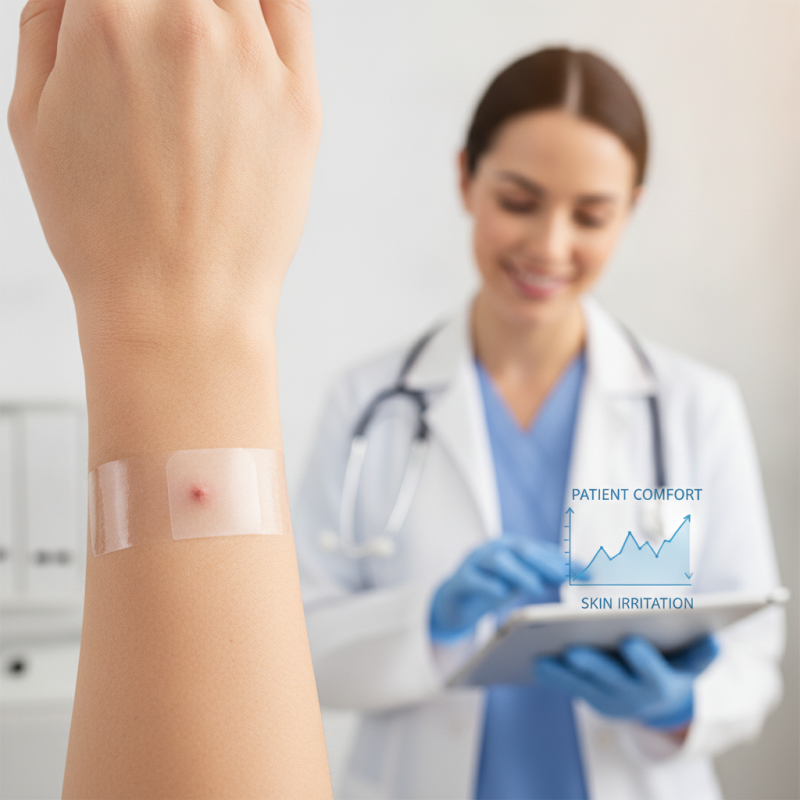
In healthcare settings, choosing non-irritating medical adhesives is crucial. These adhesives are designed to reduce skin irritation and discomfort for patients. Many patients have sensitive skin that reacts negatively to traditional adhesives. Non-irritating options help to alleviate these issues, allowing for a smoother healing process.
Using these adhesives can enhance patient comfort during procedures. For example, during wound dressing changes, a non-irritating adhesive minimizes pain and trauma. This is particularly beneficial for individuals with repeated dressing changes. It provides a better overall experience, though some might still experience slight discomfort. Continuous improvement and testing are essential in this area.
Moreover, these adhesives can lead to fewer complications. Reduced irritation means a lower risk of infections and skin breakdown. Medical staff can focus on healing, rather than managing adverse effects from their products. However, it's worth noting that not all patients respond the same way to non-irritating adhesives. Continuous feedback is necessary to refine and adapt these solutions for diverse skin types.
This chart illustrates the benefits of using non-irritating medical adhesives in healthcare settings. The data reflects key aspects such as patient comfort, skin integrity, adhesive strength, removal ease, and cost-effectiveness, showcasing the advantages of these innovative materials in improving patient care.
When it comes to medical adhesives, skin reactions are a significant concern. Studies have shown that nearly 25% of patients experience mild to severe skin reactions to adhesives. This statistic highlights the need for non-irritating options in healthcare settings. For patients with sensitive skin, traditional adhesives can lead to discomfort, causing distress during treatment procedures.
Recent industry data suggest that comfort significantly impacts patient compliance. Reports indicate that about 70% of patients would prefer to avoid adhesives that cause irritation. This indicates that choosing the right product is crucial. Research from dermatological institutions also shows that non-irritating adhesives reduce the likelihood of skin infections. These products do not strip the skin of its natural oils, keeping it healthy and protected.
Furthermore, the economic implications cannot be ignored. Skin irritation leads to longer recovery times and increased healthcare costs. One study highlighted that the treatment of adhesive-related skin issues can increase patient care costs by over 15%. Addressing these issues with high-quality, non-irritating adhesives not only enhances patient comfort but may ultimately reduce the overall burden on healthcare resources.
When comparing non-irritating medical adhesives to traditional ones, several factors come into play. Non-irritating adhesives are designed to minimize skin reactions. They are ideal for sensitive skin and can reduce discomfort during wear. Traditional adhesives can irritate, especially after prolonged use. Users often experience redness or itching with conventional options.
Choosing the right adhesive is critical. Here are some tips: always check the ingredients list for potential allergens. Test a small area of skin before full application. Ensure the adhesive is compatible with your specific medical needs.
Additionally, consider how long you'll need to wear the adhesive. Some non-irritating options may last longer without causing skin damage. Remember that individual responses can vary. What works for one person may not work for another.
In your search for the best adhesive, reflect on past experiences. Did a specific adhesive cause irritation before? Learning from previous usage will guide you toward a more suitable choice. Making informed decisions will lead to better outcomes in skin health and comfort.
| Criteria | Non-Irritating Medical Adhesives | Traditional Medical Adhesives |
|---|---|---|
| Skin Compatibility | High | Medium |
| Risk of Allergic Reactions | Low | High |
| Durability | Good | Excellent |
| Ease of Removal | Easy | Difficult |
| Cost | Moderate | Low |
Non-irritating medical adhesives play a crucial role in surgical and wound care applications. They are designed specifically to minimize discomfort for patients while ensuring reliable adhesion. In surgeries, these adhesives can secure dressings and skin closures without causing irritation to sensitive skin. This is especially important for patients with allergies or skin sensitivities.
Tips: Always assess the patient's skin condition before choosing an adhesive. A patch test can identify potential reactions. In wound care, non-irritating adhesives help in preventing further damage to fragile skin around the wound. They offer adequate bonding while allowing for gentle removal. This reduces stress on healing tissues.
Choosing the right adhesive can be challenging. Not all non-irritating options are created equal. It's essential to consider the intended application and the patient's specific needs. Monitoring for any signs of irritation, even with non-irritating products, is vital. Regular evaluations help in making necessary corrections to the treatment plan.
When selecting a non-irritating medical adhesive, it's crucial to consider skin compatibility. A recent survey by the American Contact Dermatitis Society reported that nearly 10% of the population experiences skin sensitivity to common adhesives. This underscores the importance of choosing products specifically designed to minimize irritation. Look for adhesives with hypoallergenic properties and those tested for sensitivity.
The choice of adhesive can significantly impact patient comfort and healing. Data from clinical studies indicate that non-irritating adhesives lead to faster recovery times and fewer complications, such as infections or dermatitis. Seek adhesives that offer breathability and flexibility. These qualities help maintain skin integrity while providing secure adhesion.
Finally, it's important to be mindful of application techniques. Incorrect use of even the best products can result in issues. Training staff on proper application methods can enhance outcomes. As the market evolves, more products are becoming available, but not all meet stringent safety standards. Always consider the source and testing of these products for reliability.
: Non-irritating adhesives reduce skin irritation and discomfort, enhancing the healing process for patients with sensitive skin.
They minimize pain during wound dressing changes, leading to a better overall experience, although some discomfort may still occur.
Nearly 25% of patients experience skin reactions, which can cause distress and affect treatment compliance.
About 70% of patients prefer avoiding irritating adhesives, suggesting comfort significantly influences their willingness to adhere to treatment.
Traditional adhesives can strip natural skin oils, leading to a higher risk of infections and skin breakdown.
Treating these issues can increase healthcare costs by over 15%, emphasizing the importance of using non-irritating adhesives.
Check for allergens in ingredients, test a small skin area, and ensure compatibility with medical needs.
Some non-irritating options may last longer, providing comfort without skin damage, but individual responses vary.
Reflecting on previous irritations can guide you toward a more suitable and comfortable adhesive choice.
While they are generally safer, some patients may still experience mild reactions, highlighting the need for ongoing feedback.
Selecting Non-Irritating Medical Adhesives is crucial in healthcare settings, as these adhesives offer numerous benefits over traditional options. For instance, they significantly reduce the likelihood of skin reactions, thereby enhancing patient comfort and satisfaction. Industry statistics reveal that many patients experience adverse skin reactions to conventional adhesives, emphasizing the importance of prioritizing skin-friendly alternatives.
A comparative analysis highlights the key differences between non-irritating and traditional medical adhesives, showcasing how the former stands out in aspects like gentleness on the skin and ease of removal. Non-irritating adhesives are particularly valuable in surgical and wound care applications, where patient well-being is paramount. To ensure optimal use, healthcare professionals should follow guidelines for Selecting Non-Irritating Medical Adhesives, choosing the right product based on specific needs and patient conditions.
