As we look ahead to 2026, the importance of effective wound care at home cannot be overstated. According to Dr. Emily Carter, a leading expert in wound management, "The right supplies can make all the difference in healing." Her insight highlights the necessity of equipping our homes with the best wound care supplies for home use.
Wound care involves various types of supplies, from bandages to antiseptics. Each item serves a unique purpose in promoting healing and preventing infections. Home care becomes crucial, especially for those managing chronic wounds or recovering from surgery. Proper supplies can streamline this process, ensuring that care is both effective and efficient.
Investing in the best wound care supplies for home is not just about convenience; it's a matter of safety and health. Many individuals may overlook this aspect or use inappropriate products. This can lead to delays in healing and complicated recovery. By staying informed about quality options available, we can ensure that our home care practices meet both industry standards and personal health needs.
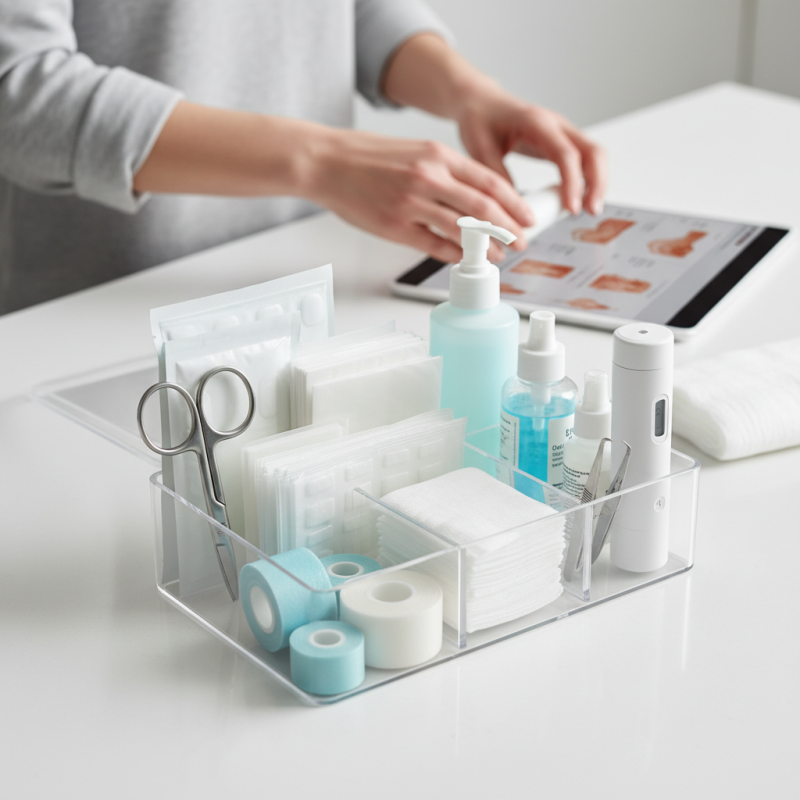
Essential Wound Care Supplies Every Home Should Have in 2026
When it comes to wound care at home, being prepared is essential. In 2026, households should be equipped with supplies that promote healing and prevent infections. Basic supplies include sterile gauze pads and adhesive bandages. These materials come in various sizes, catering to different types of wounds. Don't forget to stock up on antiseptic solutions. They help to clean and disinfect injuries effectively.
One often overlooked item is hydrocolloid dressings. These are ideal for minor burns and blisters. They create a moist environment, which can speed up the healing process. Additionally, having medical tape on hand is crucial. It securely holds gauze in place. However, it's essential to check for skin reactions to tape.
Also, consider your own knowledge about wound care. It’s vital to learn proper techniques for dressing wounds. Knowing when to seek professional help is equally important. Sometimes, wounds may not heal as expected. You may feel uncertain about your care methods. Keep an eye on any signs of infection, such as increased redness or swelling.
Top Antiseptics and Dressings for Effective Wound Management
When managing wounds at home, choosing the right antiseptics is crucial. Effective antiseptics not only help to prevent infection but also promote healing. Look for those that have broad-spectrum antimicrobial properties. Some options can burn or irritate. Always conduct a patch test on healthy skin before applying them to larger areas.
Dressings play a vital role in wound care. They protect the wound and provide a moist healing environment. Hydrocolloid dressings can be effective for certain types of wounds. However, they may not be suitable for all. Ensure you change dressings regularly to avoid infection. Conduct a visual check on the wound daily to monitor any changes.
In 2026, advancements in wound care products will likely emerge. However, the fundamental principles of wound management will remain the same. Always follow the guidance of healthcare professionals. Their expertise ensures you choose the right products for your specific needs. Remember, not every product works for every injury. It's important to find what suits you best.
Best Wound Care Supplies for Home Use in 2026
Innovative Tools for Home Wound Care: What’s New in 2026
Home wound care is evolving. In 2026, innovative tools are changing how we manage injuries. Many new supplies focus on ease of use and effectiveness. For example, advanced dressings now offer enhanced moisture control. These dressings help keep wounds hydrated while preventing maceration of surrounding skin. This technology is especially beneficial for chronic wounds.
Another key innovation is smart bandages. These bandages monitor the healing process. They can alert users to changes, such as infection risks. Having real-time data allows for quicker interventions. However, not all users will find these devices easy to use. Some may struggle with the technology or find it overwhelming.
Accessibility remains a concern. While new materials are promising, they may not be available everywhere. Healthcare professionals often recommend personalized solutions. Customization can improve outcomes, but it requires a level of expertise. Challenges in education about these products persist. Users need clear guidance on proper use.
Guidelines for Choosing the Right Wound Care Supplies for Your Needs
Choosing the right wound care supplies is essential for effective home treatment. The global wound care market is projected to reach $25 billion by 2026, highlighting its growing importance. Selecting appropriate supplies depends on the type and severity of the wound. For minor cuts, adhesive bandages and antiseptic wipes can be sufficient. However, more serious injuries may require specialized dressing and topical treatments.
When evaluating wound care products, consider the material used. Hydrocolloid dressings, for instance, promote moist healing, which can speed recovery. According to research, moist wound healing can reduce healing time by up to 50%. It's also crucial to ensure that supplies are hypoallergenic to prevent skin reactions. A recent study pointed out that nearly 20% of patients experience allergies to standard dressings.
Keep in mind that personal needs and preferences vary. What works for one person may not work for another. Regularly assess the wound and change supplies as necessary. Users often overlook the importance of monitoring for signs of infection. Redness, warmth, or increased pain may indicate complications. Stay informed and seek professional advice when needed.
Best Practices for Storing and Using Wound Care Supplies Safely
When it comes to storing and using wound care supplies, safety and organization are paramount. Keeping supplies in a designated area prevents mix-ups. Consider using bins or compartments to separate items like dressings, antiseptics, and tools. A checklist can help track what you have and what you need. Regularly inspect your supplies for expiration dates. It's easy to overlook this, but expired materials can lead to infections.
Proper labeling of containers is also essential. Clear labels can save time, especially in emergencies. Be mindful of humidity and temperature. Some supplies may degrade if stored in a bathroom or kitchen. Instead, a cool, dry place works best. Don't hesitate to adapt your storage methods as your needs change.
Always ensure to wash your hands thoroughly before handling supplies. This simple step is often ignored, yet it significantly reduces infection risk. Reflect on past experiences with wound care, acknowledging what worked and what didn’t. Each situation can guide future practices. Safety in wound care is not just about supplies; it’s about the approach you take.
Best Wound Care Supplies for Home Use in 2026
| Item |
Description |
Best Use Cases |
Storage Recommendations |
| Adhesive Bandages |
Self-adhesive coverings for small cuts and abrasions. |
Minor cuts, scrapes, and blisters. |
Store in a cool, dry place away from direct sunlight. |
| Sterile Gauze Pads |
Absorbent pads used to cover injuries and absorb exudate. |
Moderate to heavy drainage wounds. |
Keep in an airtight container to prevent contamination. |
| Antiseptic Wipes |
Pre-moistened wipes for cleaning wounds. |
Before applying dressings to cuts and scrapes. |
Store in a sealed package to maintain moisture. |
| Hydrocolloid Dressings |
Moisture-retentive dressings ideal for wounds. |
Pressure ulcers and minor burns. |
Store in a dry place and away from extreme temperatures. |
| Medical Tape |
Adhesive tape for securing bandages and dressings. |
Securing gauze or dressings in place. |
Keep in a moisture-free environment. |
FAQS
: New tools focus on ease of use and effectiveness, such as advanced dressings and smart bandages.
They enhance moisture control, keeping wounds hydrated while preventing surrounding skin issues, particularly for chronic wounds.
Smart bandages monitor healing progress and alert users to infection risks, providing real-time data for quicker interventions.
Not all users may find them straightforward; some might struggle or feel overwhelmed by the technology.
Consider the wound type and severity, using basic supplies for minor cuts and specialized treatments for serious injuries.
Hydrocolloid dressings promote moist healing, potentially reducing recovery time by up to 50%.
Ensure proper organization, inspect for expiration dates, and store in cool, dry places to prevent degradation.
Always wash your hands before handling supplies; this simple act greatly reduces infection risk.
Monitor for symptoms like redness or increased pain and seek professional advice if complications arise.
Think about past experiences, recognizing what worked and what didn’t to improve future care approaches.
Conclusion
In 2026, ensuring proper wound care at home is paramount, and having the best wound care supplies for home use can significantly enhance recovery outcomes. Essential supplies include a variety of antiseptics and dressings tailored for effective wound management, which should be chosen based on the specific needs of the injury.
Moreover, innovative tools have emerged in 2026, making home wound care more efficient and user-friendly. When selecting wound care supplies, it is vital to consider factors such as the type of wound, sterile techniques, and storage practices to ensure safety and efficacy. Adopting best practices for storing and using these supplies will further support timely and effective healing at home.
 WER Medical
