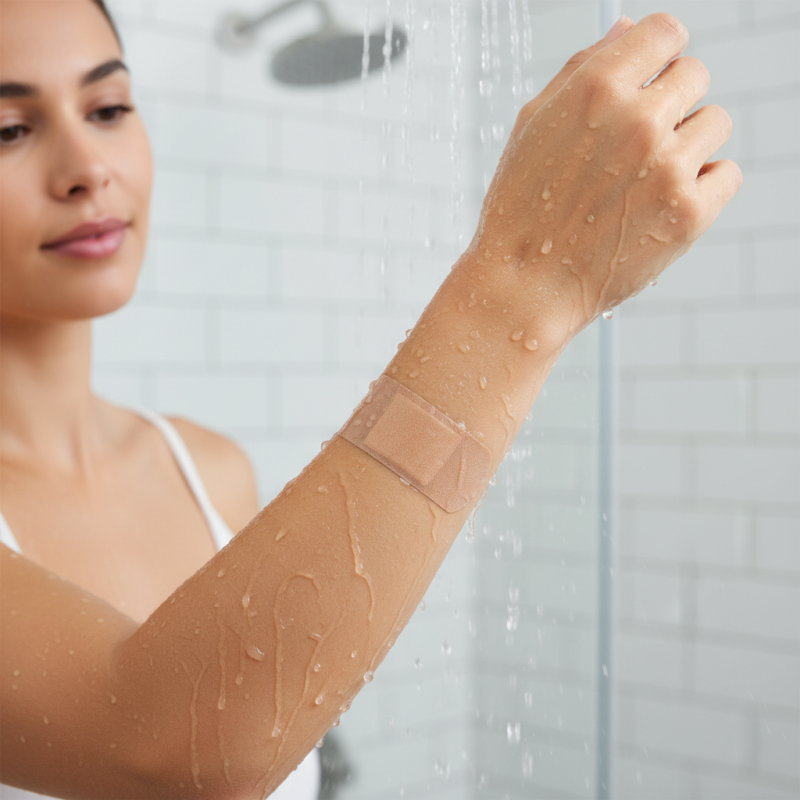
Showering with a wound can be challenging. Traditional bandages often fail to keep water out. However, waterproof bandages offer a solution. Understanding the waterproof bandage benefits for showering is essential for anyone healing.
Waterproof bandages create a barrier against moisture. They not only protect wounds but also keep them clean. This can prevent infections and promote healing. Many people find confidence in using these bandages. They can enjoy showers without the fear of damaging their wounds.
Despite their advantages, some users may face challenges. For instance, improper application can lead to leaks. It’s essential to ensure the bandage adheres well to the skin. Additionally, not all waterproof bands are the same. Choosing the right product matters. Overall, the waterproof bandage benefits for showering are significant, but awareness is key.
Benefits of Waterproof Bandages: An Overview of Their Usage
Waterproof bandages are a practical solution for wounds, especially during showering. They are designed to keep moisture out while still allowing the skin to breathe. This unique feature promotes a healthier healing environment. People often encounter challenges when dealing with wet bandages. Regular bandages can easily soak through, leading to infection or delayed healing.
These specialized bandages come in various sizes, catering to different types of wounds. They are durable and adhesive, ensuring they stay in place, even in water. The convenience of using waterproof bandages means that you can shower without worrying about damaging your wound. Many individuals appreciate the comfort of a bandage that withstands moisture. However, it’s crucial to inspect the bandage regularly for any signs of loosening or wear.
Despite the advantages, some may find waterproof bandages less effective for certain injuries. They might not adhere well to all skin types. It's essential to consider these factors when choosing a bandage. Some users still report frustrations regarding the breathability of the material. Ensuring proper care of the wound is paramount, as improper use can lead to complications. Adapting your choice of bandage to suit your needs is always wise.
How Waterproof Bandages Maintain a Sterile Environment During Showers
Waterproof bandages offer a unique advantage during showering. They help maintain a sterile environment, reducing the risk of infection. According to a report from the World Health Organization, skin infections can arise from water exposure. Waterproof bandages act as a barrier against germs. They ensure that cuts and abrasions remain clean.
The design of waterproof bandages is crucial for their effectiveness. They often feature advanced adhesive technology that secures them tightly. This feature keeps water out while allowing moisture vapor to escape. Research shows they can reduce healing time by up to 50%. This is essential for optimizing recovery, particularly for athletes and active individuals.
However, there are concerns about prolonged use. While they provide protection, they may also trap moisture under the bandage. This can lead to skin maceration, which hinders healing. It is vital to monitor the condition of the skin underneath the bandage. Regular changes are recommended to maintain hygiene and effectiveness. Proper usage involves balancing protection and healthy skin recovery.
Comparative Analysis: Waterproof vs. Traditional Bandages for Skin Protection
Waterproof bandages offer significant advantages over traditional bandages, especially during showering. They are designed to keep moisture out while allowing the skin to breathe. This is crucial for promoting healing. When skin is exposed to water and moisture, it can soften and become vulnerable. Traditional bandages often lose their adhesion when wet. This can lead to skin irritation or infection.
In contrast, waterproof bandages are made from materials that resist water penetration. They create a secure barrier against bacteria and other contaminants. This ensures that cuts and scrapes remain protected even in wet environments. However, some may find them a bit more challenging to apply. Proper placement is essential to maximize their effectiveness. Users should ensure the edges are sealed.
Also, waterproof bandages can feel less comfortable for some individuals. The tight fit might restrict movement or cause sweating underneath. Experimenting with different styles can help find the best fit. Overall, understanding the unique needs of a wound is important. Each choice has benefits and drawbacks. Making an informed decision can lead to better healing outcomes.
What Are the Benefits of Waterproof Bandages for Showering? - Comparative Analysis: Waterproof vs. Traditional Bandages for Skin Protection
| Feature |
Waterproof Bandages |
Traditional Bandages |
| Water Resistance |
Excellent |
Low |
| Durability in Wet Conditions |
High |
Moderate |
| Skin Adhesion |
Strong, even when wet |
Can loosen when wet |
| Breathability |
Varies by brand |
Good |
| Protection from Waterborne Bacteria |
Effective |
Limited |
| Cost |
Higher |
Lower |
| Application Ease |
Simple |
Simple |
Expert Insights: Recommended Types of Waterproof Bandages for Showers
Waterproof bandages are essential for protecting wounds during showers. They are designed to keep moisture out while allowing skin to breathe. According to a study by the American Journal of Emergency Medicine, effective waterproof bandages can reduce the risk of infection by 30%. Choosing the right type is crucial for optimal protection.
Experts recommend opting for bandages with a strong adhesive. This feature ensures that the bandage remains secure, even when wet. Transparent options allow for visibility while maintaining a waterproof barrier. Some models are even made of breathable material, enhancing comfort and reducing irritation.
While waterproof bandages offer excellent benefits, they are not infallible. Improper application can lead to water seeping underneath, which may hinder healing. Additionally, some individuals may find that prolonged use leads to skin irritation. Regularly changing the bandage is advised to maintain hygiene and effectiveness. Balancing durability with comfort is key to making an informed choice.
Effectiveness of Waterproof Bandages in Preventing Infection and Promoting Healing
Waterproof bandages play a crucial role in preventing infection and promoting healing, especially during showering. Regular exposure to water can compromise the integrity of healing wounds. Waterproof bandages create a barrier that keeps the wound dry and safe from bacteria. This barrier reduces the risk of infection, allowing your body to focus on healing rather than fighting off germs.
When using waterproof bandages, proper application is key. Clean the wound thoroughly before applying the bandage. Ensure that the skin around the wound is dry to enhance adhesion. This helps in maintaining a strong seal against moisture. Remember, however, that bandages should be changed regularly to avoid trapping bacteria under the adhesive.
Tips: If your bandage starts to peel at the edges, it may not be fully sealed. Reapply it for better coverage. Additionally, check for any signs of redness or pus, which could indicate infection. Always consult a healthcare professional if you notice any concerning symptoms. Regularly monitoring your wounds can promote better healing outcomes. Think critically about your wound care routine; adjust it as needed for improved results.
FAQS
: They protect wounds from water exposure during showers and help keep them dry.
They create a barrier that keeps wounds dry and blocks bacteria from entering.
Improper application can allow water to seep in, hindering healing and increasing infection risk.
Regular changes are advised to maintain hygiene and prevent bacteria buildup under the adhesive.
Yes, prolonged use may lead to irritation, especially if the bandage is not changed regularly.
Opt for strong adhesive and breathable materials for comfort and effective moisture protection.
Reapply it for better coverage to ensure a strong seal against moisture.
Look for redness or pus around the wound site; consult a professional if you notice these.
Clean the wound thoroughly, keep the area dry, and monitor for any concerning symptoms regularly.
Regular monitoring and adjustments to your wound care routine are essential for the best healing outcomes.
Conclusion
Waterproof bandage benefits for showering are significant, primarily due to their ability to maintain a sterile environment while keeping wounds protected from water and bacteria. Unlike traditional bandages, which may become soggy and ineffective, waterproof bandages form a secure barrier, allowing individuals to shower without the worry of compromising the healing process. This unique feature not only promotes comfort during bathing but also aids in preventing infections, ensuring that the wound remains clean and conducive to healing.
A comparative analysis shows that waterproof bandages outperform traditional types in various scenarios, especially in wet conditions. Expert insights highlight recommended types of waterproof bandages that are ideal for showering, emphasizing their efficacy in providing both protection and peace of mind. Ultimately, the use of waterproof bandages can significantly enhance wound care routines, making them an essential tool for individuals looking to maintain hygiene without sacrificing healing.
 WER Medical