WER Medical
Active people need wound care that keeps pace with movement, sweat, weather, and changing routines. The 2026 guide to top wound care products explores practical options for runners, hikers, cyclists, swimmers, and outdoor workers. It focuses on clean design, secure adhesion, comfort, and reliable protection during everyday activity.
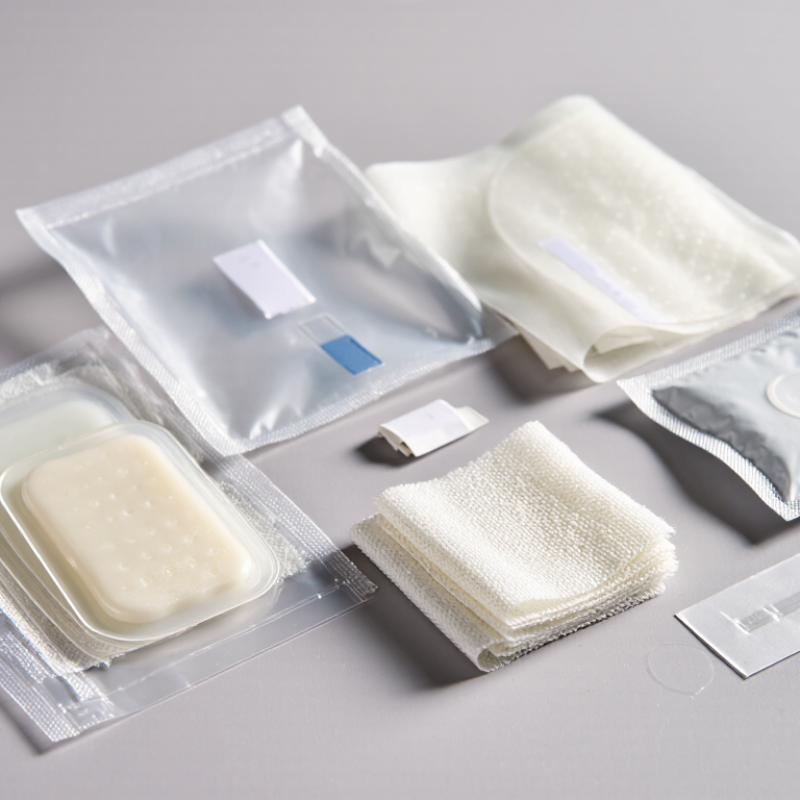
Small injuries can become disruptive. A scraped knee may rub against clothing. A heel blister can change a walking pattern within minutes. Products such as hydrocolloid blister pads, breathable adhesive dressings, sterile gauze, and flexible waterproof covers may support safer recovery. However, product performance depends on the wound, skin type, climate, and activity level. No dressing works perfectly for everyone.
That matters.
This overview uses evidence-informed guidance and real-world considerations, including how products feel after several hours of movement. It also considers packaging quality, application instructions, removal comfort, and storage conditions. Independent clinical advice remains important, especially for deep wounds, spreading redness, unusual swelling, persistent bleeding, or signs of infection.
The phrase Wound Care For Active Lifestyles describes more than convenience. It means choosing protection that supports movement without ignoring medical limits. Some products look impressive but fail under heavy sweat. Others hold securely yet irritate sensitive skin. That contradiction deserves attention.
The recommendations in this guide are not absolute rankings. They reflect common use cases, available features, and practical trade-offs. Before relying on any product during demanding activity, test it during a less important workout. A little preparation can prevent a painful interruption.
Training, hiking, and outdoor work expose skin to friction, sweat, grit, and repeated movement. The World Health Organization’s 2024 Global Status Report on Physical Activity estimates that 1.8 billion adults were insufficiently active in 2022. For people who do move regularly, minor cuts and blisters can still disrupt routines. A 2016 study in Injury Epidemiology estimated 8.6 million sports- and recreation-related injury episodes each year in the United States. Not every episode involved an open wound, but the figures underline how often active people encounter injury.
Good wound care starts with clean hands and gently rinsing a minor cut with clean running water. Pat the surrounding skin dry, then cover the wound with a sterile dressing that stays put during movement. Change it if it becomes wet, dirty, or loose. For blisters, reduce rubbing with well-fitting footwear and protective padding; avoid tearing the skin. Small details matter. A neat kit is not enough if it sits in a hot car or contains used dressings.
Choose supplies for the activity: compact dressings for a running belt, larger pads for a daypack, and tape that adheres despite sweat. Check wounds daily for spreading redness, increasing warmth, swelling, pus, or worsening pain. Seek medical advice for deep or contaminated wounds, bites, persistent bleeding, or signs of infection. The tricky part is that a wound can look minor and still need attention.
2026 Top Wound Care Products for Active Lifestyles?
Choosing Advanced Products for Blisters, Cuts, Scrapes, and Sprains
Long hikes, court sessions, and crowded commutes can turn small injuries into trip-stoppers. A compact kit works best when each item has a clear job. Hydrocolloid blister dressings can cushion rubbing spots; apply them to clean, dry skin and follow the package directions. For a hotspot, easing friction early may matter more than carrying five kinds of tape. Still, no dressing fixes poorly fitting shoes.
For cuts and scrapes, pack sterile gauze, non-stick pads, and medical tape. Rinse the wound with clean running water, remove visible dirt gently, then cover it; replace the dressing if it gets wet or dirty. Keep antiseptic wipes for hands or surrounding skin, not deep wounds. I used to think more supplies meant better preparation. It can just mean a heavier bag.
A flexible elastic wrap can support a mild sprain, but it should feel snug, never tight. Loosen it if toes become numb, tingly, cold, or discolored. A wrapped ankle is not a diagnosis. Seek medical care for severe pain, obvious deformity, or inability to bear weight. Pack a small cold pack too, and check expiry dates before the season starts.
Choosing advanced products for blisters, cuts, scrapes, and sprains
This illustrative 0–5 fit scale is a practical product-selection guide, not clinical trial data or a measure of treatment effectiveness. Hydrocolloid dressings are designed for blister protection; adhesive bandages suit small cuts; non-adherent dressings with tape can cover scrapes; and an elastic wrap can provide gentle compression for initial sprain support. Seek medical care for serious injuries, deep wounds, or signs of infection.
For active days, a dressing has to stay put through movement without trapping too much moisture. Waterproof options can help during showers or brief contact with water, but “waterproof” does not always mean comfortable under sweat. Check the package directions, and replace a dressing if its edges lift or fluid leaks beneath it. A damp, wrinkled edge is easy to miss.
Breathable dressings allow more moisture vapor to escape, which may feel better during a walk or workout. They can suit minor, clean wounds, though no single material works for every skin type or wound location. Fast-healing claims deserve a closer look: a dressing can support a moist, protected environment, but it cannot guarantee a faster result.
Follow its instructions, and avoid stretching adhesive tightly over moving joints. It may still peel.
For a small scrape, gently rinse with clean water, pat the surrounding skin dry, then apply a suitable dressing. Watch for increasing redness, warmth, swelling, worsening pain, or pus. These signs warrant medical advice. Deep wounds, bites, or wounds that will not stop bleeding need prompt professional care. Active people may want to carry a spare dressing; I have found that the “perfect” one is often the one that stays comfortable and is changed on time.
2026 Top Wound Care Products for Active Lifestyles?
Using Portable Wound Care Kits Safely During Outdoor Activities
A useful outdoor wound-care kit should be compact, sealed, and easy to reach in a backpack. Include disposable gloves, sterile gauze, adhesive dressings, and saline or another suitable wound-rinsing option. Check expiry dates and packaging before a trip; heat, moisture, and crushed wrappers can make supplies less reliable. Small cuts happen. So do dusty hands.
For a minor scrape, move away from hazards and clean your hands or put on gloves. Rinse the wound with clean water, then apply gentle pressure with sterile gauze if it is bleeding. Cover it with a clean dressing once bleeding is controlled. Avoid putting hand sanitizer or harsh cleaning products directly into the wound. Follow each product’s instructions, especially if you have sensitive skin or known allergies.
Tips: Keep the kit in a dry, reachable pocket, not beneath heavy gear. Replace used or damp supplies promptly. If bleeding will not stop, the wound is deep, or debris remains embedded, seek medical care rather than trying to manage it on the trail. Watch for increasing redness, warmth, swelling, or pain afterward. I sometimes underestimate how quickly a dressing loosens during a hike, so check it after sweating, rain, or a long stretch of movement.
| Portable Kit Item | Typical Use | Safe Use | Outdoor Packing and Care |
|---|---|---|---|
| Single-use nitrile gloves | Help reduce contact with blood while assisting with a wound. | Use a fresh pair for each injured person. Avoid touching the wound with the outside of used gloves; discard them safely afterward. | Pack several pairs in a sealed pouch and check that packaging stays intact and dry. |
| Clean water or sterile saline wound wash | Flush dirt and debris from minor cuts and scrapes. | Use clean potable water or sterile saline. Gently remove only easily accessible debris; do not dig into a wound. | Carry a sealed, appropriately sized container. Do not use water from a lake, stream, or other untreated source to clean a wound. |
| Sterile gauze pads | Cover a cleaned wound or apply pressure to help control minor bleeding. | Apply steady, direct pressure with clean gauze. If blood soaks through, place more gauze on top rather than pulling away the first layer. | Keep pads in their original sterile wrappers until needed. Seek urgent help if bleeding is severe or does not stop with firm pressure. |
| Adhesive bandages in several sizes | Protect small cuts and scrapes from dirt and friction. | Apply to clean, dry surrounding skin. Change the dressing if it becomes wet, dirty, loose, or soaked with blood. | Choose a size that covers the wound without wrapping tightly around a finger, toe, or limb. |
| Non-stick sterile dressing and medical tape | Cover a larger minor wound when a standard adhesive bandage is too small. | Place the dressing over the wound and secure it comfortably. Check that circulation is not restricted and that the dressing is not overly tight. | Store tape away from heat and moisture; bring enough dressing material for the length of the outing. |
| Blunt-tip tweezers | Remove a small, visible splinter near the skin surface. | Clean the tips before and after use. Do not use tweezers to remove deeply embedded objects or anything in the eye. | Keep the tips covered in a protective case. Leave deeply embedded objects in place and get medical care. |
| Hand-cleaning supplies | Clean hands before and after wound care. | Wash with soap and clean water when available. Alcohol-based hand sanitizer can be used on hands when they are not visibly dirty; do not apply it to an open wound. | Pack a small sealed sanitizer or soap sheet. Hand sanitizer is not a substitute for rinsing a wound with clean water. |
| Water-resistant pouch and disposal bag | Keep supplies organized and protect used materials from contaminating clean items. | Separate clean supplies from used dressings and gloves. Follow local guidance for disposal of contaminated materials. | Store the kit somewhere accessible, dry, and protected from crushing. Check expiration dates and replace damaged or used supplies. |
Important: This kit is intended for basic first aid, not for treating serious injuries. Get urgent medical help for heavy or persistent bleeding, a deep or gaping wound, an embedded object, loss of sensation or movement, or signs of a severe allergic reaction. Seek medical advice for wounds that may need a tetanus booster or show increasing redness, warmth, swelling, pain, or pus.
For active people, a wound dressing must stay put through sweat, movement, and clothing friction.
The World Health Organization’s 2024 global report estimates that 31% of adults—about 1.8 billion people—were not meeting recommended activity levels in 2022. This is context, not evidence that active people face more wounds. Small cuts still need practical care.
31% of adults
about 1.8 billion people
Look for a dressing that bends over joints, cushions the wound, and has a non-adherent contact layer. Breathable materials may feel more comfortable during longer wear, while water-resistant edges can help during brief exposure to water. No option suits every skin type. Adhesives may irritate sensitive skin, and a secure seal can loosen with sweat. Check the wound and surrounding skin after activity.
For a minor cut, NHS guidance recommends rinsing it with clean running water and covering it with a sterile dressing. Replace the dressing if it becomes wet, dirty, or loose.
Simple, but easy to overlook. Product labels rarely explain how well a dressing performs during repeated movement; that remains a real limitation for shoppers. Deep wounds, spreading redness, or worsening pain need professional assessment.
Wash your hands, then rinse the cut with clean running water. Pat nearby skin dry and cover it with a sterile dressing.
Replace it when it becomes wet, dirty, loose, or wrinkled. Do not wait for the edges to peel completely.
Choose one that bends over joints, cushions the wound, and stays secure under clothing. A non-adherent contact layer can reduce sticking.
No. They can help during showers or brief water contact, but sweat may collect underneath. Check for damp edges and fluid leakage.
They may allow moisture vapor to escape. They often suit minor, clean wounds, but sensitive skin may react differently.
No dressing guarantees faster healing. A protected, slightly moist environment may support recovery, but instructions still matter.
Reduce friction with well-fitting footwear and protective padding. Avoid tearing the skin. Small adjustments help.
Carry compact dressings in a running belt or larger pads in a daypack. Add suitable tape and spare supplies. Do not leave the kit in a hot car.
Seek advice for spreading redness, increasing warmth, swelling, pus, or worsening pain. Deep wounds, bites, and persistent bleeding need prompt professional care. A minor appearance can mislead.
In 2026, Wound Care For Active Lifestyles focuses on practical, reliable solutions for people who hike, run, cycle, travel, or participate in outdoor activities. Minor blisters, cuts, scrapes, and sprains can interrupt an active day, so effective care should support quick protection, comfort, and continued movement. Advanced dressings may offer waterproof coverage for wet conditions, breathable materials for longer wear, or designs that help maintain a clean healing environment while reducing friction and irritation.
A portable wound care kit can make outdoor preparation easier when it includes essential items such as cleansing supplies, sterile coverings, blister protection, flexible wraps, and basic tools. Users should select products according to wound type, activity level, weather, skin sensitivity, and personal care needs. Before use, hands and the affected area should be cleaned, and dressings should be changed as directed. Careful product evaluation and responsible use can help active individuals manage minor injuries safely and stay prepared wherever their plans take them.
