2026 Best Ways to Prevent Hypertrophic Scars

Time:2026-10-04 Author:Madeline
0%

Hypertrophic scars can develop when healing tissue produces too much collagen. They often appear raised, firm, red, and itchy, yet remain within the original wound’s borders. They may follow surgery, burns, acne injuries, or accidental cuts. Early care can influence their appearance, although no method guarantees perfect skin.

This guide explains How To Prevent Hypertrophic Scars through practical, evidence-informed steps. Gentle wound care matters. Clean the area as directed, protect it from friction, and keep dressings properly maintained. Do not pick scabs. Do not apply silicone gel or sheets to an open or infected wound. After the skin closes, a dermatologist or surgeon may recommend silicone therapy, pressure treatment, or other options based on your healing pattern. Sun protection also matters. Fresh scars can darken after only a short time outdoors.

Know your risk factors. A previous raised scar, darker skin tone, repeated wound tension, burns, and delayed healing may increase concern. Ask a qualified healthcare professional early, especially after surgery or a deep injury. Some people need planned follow-up before the scar becomes thick or uncomfortable.

Results vary.

That part is easy to underestimate.

Even careful treatment may not prevent every hypertrophic scar. Evidence also differs between products, and online advice can oversimplify wound healing. A reliable plan should consider the injury, your medical history, and signs of infection. Seek prompt medical care for spreading redness, warmth, pus, worsening pain, fever, or rapid scar growth. The goal is not perfection; it is safer healing and earlier support when problems appear.
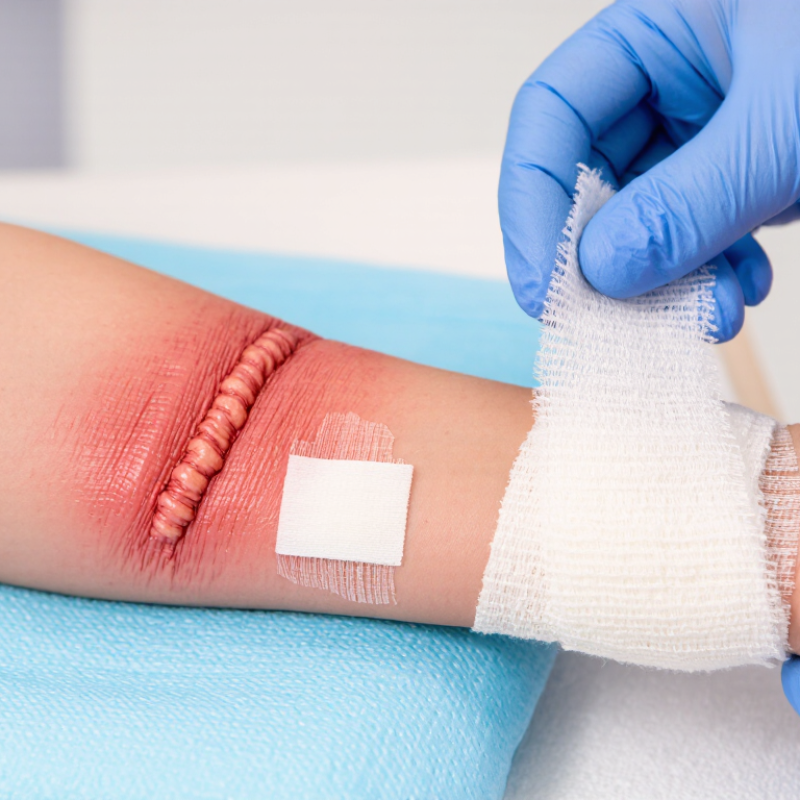
2026 Best Ways to Prevent Hypertrophic Scars

Understanding Why Hypertrophic Scars Develop

Hypertrophic scars develop when healing tissue produces too much collagen after injury. They usually remain within the wound’s original edges, unlike keloids. A systematic review in Burns reports hypertrophic scarring in roughly 32% to 72% of burn patients. The wide range reflects differences in injury depth, treatment, skin type, and follow-up time.

Healing speed matters. Wounds that remain open beyond three weeks face a higher risk of raised scarring, especially when infection, repeated friction, or strong skin tension is present. The International Society for Burn Injuries also identifies delayed healing, inflammation, and deeper tissue damage as important risk factors. A red, itchy ridge that feels firm may be an early warning sign. It should not be ignored.

Prevention begins with careful wound care and medical review. Keep the area clean, protected, and adequately moisturized after closure, unless a clinician advises otherwise. Silicone-based therapy, pressure therapy, and sun protection may help selected patients, but results vary. Evidence is not perfectly consistent. I once assumed a small wound meant a small scar; that assumption was wrong. Scar behavior depends on biology, not appearance alone. People with darker skin may face higher risks of abnormal scarring, yet individual prediction remains imperfect. A dermatologist or wound specialist can assess tension, redness, thickness, and symptoms before the scar becomes harder to control.

Assessing Wound Risk Before Scar Formation

2026 Best Ways to Prevent Hypertrophic Scars

Assessing Wound Risk Before Scar Formation

Scar prevention starts before a raised scar appears. A wound healing within 14 days usually carries less hypertrophic-scar risk. Healing beyond 21 days is a recognized warning sign in International Society for Burn Injuries practice guidelines. A 2022 systematic review in Burns reported hypertrophic-scarring rates of approximately 32% to 72% after burn injuries. Depth, infection, body location, and follow-up time influenced these figures.

A practical assessment records wound size, depth, edge separation, drainage, redness, pain, and healing speed. Check areas under tension, such as the chest, shoulders, jawline, and joints, more carefully. Darker skin types may develop more visible or persistent raised scars, but skin color alone cannot predict individual outcomes. Family history matters too. Risk is dynamic.

A neat wound is not automatically a safe wound. Delayed closure, repeated friction, inflammation, and infection can extend the remodeling process. Clinicians should photograph the wound and review it regularly, especially during the first three weeks. Increasing firmness, itching, redness, or raised edges deserves prompt assessment. Silicone therapy, pressure management, and movement guidance may help when clinically appropriate. Their timing depends on wound closure and tissue condition.

Risk scores help, but they are imperfect. I would not treat any score as a verdict. The wound’s behavior matters more than a single appointment. Sources: International Society for Burn Injuries Practice Guidelines, 2016; Burns systematic review, 2022.

2026 Best Ways to Prevent Hypertrophic Scars: Assessing Wound Risk Before Scar Formation

Wounds that remain open longer than approximately three weeks have a higher risk of hypertrophic scarring. Risk is also increased by deeper tissue injury, burns, infection, prolonged inflammation, and repeated tension across the wound. Early assessment helps guide timely medical review, tension reduction, silicone therapy after closure, and sun protection.

Applying Immediate Wound Care and Tension Control

2026 Best Ways to Prevent Hypertrophic Scars

Applying Immediate Wound Care and Tension Control

Hypertrophic scars often begin within weeks of injury, especially after delayed healing. A 2023 review in Burns reported rates ranging from 30% to 90% after burn injuries, depending on depth, location, and healing time. Clean the wound gently, control bleeding, and cover it with a suitable dressing. Avoid repeated rubbing, picking, and unnecessary dressing changes. Small details matter.

Healing time deserves serious attention. Clinical scar-management guidance links healing beyond three weeks with a higher risk of raised scarring. Keep the wound slightly moist, but never soaked. Seek medical advice for increasing redness, warmth, drainage, or pain. Infection can prolong inflammation and complicate scar control.

Tension control begins when the wound closes. Movement across joints, tight clothing, and stretching can pull fresh tissue apart. A clinician may recommend adhesive support, taping, pressure therapy, or silicone after complete closure. The International Scar Management Advisory Panel supports early, individualized treatment and regular review. Do not apply products to open wounds. I once underestimated ordinary movement; lifting a child or reaching overhead can repeatedly stress a healing incision. Prevention is rarely perfect. Tissue type, genetics, wound depth, and skin tone still influence the result. Photographing the scar weekly can reveal thickening before it becomes obvious.

Using Evidence-Based Treatments to Limit Scar Growth

2026 Best Ways to Prevent Hypertrophic Scars

Hypertrophic scars rise above the skin but usually remain within the original wound. Early, consistent care can limit excessive collagen buildup. Clean the area gently, then cover it with a non-stick dressing. Moist wound healing often supports better repair than letting a wound dry and crack. Do not pick scabs or stretch healing skin. Tension can make a scar thicker.

Once the wound has fully closed, silicone gel or silicone sheets may soften and flatten developing scars. Clinical evidence supports silicone as a low-risk option for many people. Use it consistently, often for several weeks or months. Protect the scar from sunlight with clothing or broad-spectrum sunscreen. Ultraviolet exposure can darken new scar tissue and make changes more noticeable. No method works perfectly. Healing also depends on genetics, wound depth, infection, and skin tension.

Tips:
Keep the wound clean.
Avoid unnecessary friction.
Take clear photos each week.
Watch for rapid thickening, pain, warmth, or spreading redness. These signs need medical review. A dermatologist or qualified clinician may recommend pressure therapy or corticosteroid injections for a raised scar. These treatments require professional assessment and careful dosing. Evidence guides decisions, but it is not flawless. I would not rely on online remedies, harsh acids, or aggressive massage. Gentle care is safer, especially when the scar is still tender.

2026 Best Ways to Prevent Hypertrophic Scars - Using Evidence-Based Treatments to Limit Scar Growth

Evidence-Based Measure When to Start Typical Use Potential Benefit Evidence and Practical Notes Important Limitations
Silicone gel or silicone sheets After the wound has fully closed and there is no open drainage Apply to the scar consistently for several hours daily; many protocols continue for at least 2–3 months May reduce scar thickness, redness, firmness, itching, and discomfort Among the most commonly recommended non-invasive options for preventing or reducing raised scars. Benefit depends strongly on regular use. Do not place on infected, bleeding, or incompletely healed skin. Skin irritation or maceration can occur.
Pressure therapy Once the wound is healed and a properly fitted garment or dressing is available Often worn for approximately 12–24 hours per day for several months, particularly after extensive burns May flatten developing scars and reduce scar activity in high-risk burn wounds Most useful when supervised by a burn, scar, or rehabilitation specialist and combined with regular follow-up. Effectiveness can vary, and poor fit may cause pain, skin breakdown, numbness, or circulation problems.
Good wound care and infection prevention Immediately after injury, surgery, or burn treatment Keep the wound clean and appropriately moist, follow dressing instructions, and seek care for infection signs Supports timely healing and may reduce prolonged inflammation, wound separation, and excessive scar formation Early management of infection, delayed healing, and wound tension is a fundamental prevention strategy. Do not use harsh antiseptics, unapproved home remedies, or occlusive products on an open wound without medical advice.
Reduce wound tension During closure and throughout early healing Use appropriate surgical closure, activity restrictions, and clinician-approved support tape or dressings May reduce widening and mechanical stimulation of a healing scar Tension control is especially relevant for wounds crossing joints, the upper chest, shoulders, and other high-motion areas. Support methods must not restrict circulation or conceal infection. Follow the treating clinician’s instructions.
Sun protection After the wound has closed and whenever the scar is exposed Use protective clothing and broad-spectrum sunscreen with SPF 30 or higher on healed skin; reapply as directed Helps limit persistent redness and darkening, making the scar less noticeable over time Ultraviolet exposure can prolong discoloration in immature scars, especially in darker skin tones. Sunscreen should not be applied to open or actively healing wounds unless specifically advised by a clinician.
Early specialist assessment As soon as a scar becomes raised, itchy, painful, rapidly enlarging, or functionally restrictive Review by a dermatologist, plastic surgeon, burn specialist, or qualified scar therapist Allows earlier combination treatment and helps distinguish hypertrophic scars from keloids or other conditions Early intervention is generally easier before the scar becomes rigid, symptomatic, or limits movement. A raised scar that extends beyond the original wound may be a keloid and requires different counseling.
Intralesional corticosteroid injections After a hypertrophic scar is diagnosed and treatment is clinically indicated Injected directly into the scar at intervals determined by a medical professional May reduce thickness, firmness, itching, pain, and inflammation A well-established treatment for raised symptomatic scars, often used with silicone or other modalities. Requires trained administration. Possible adverse effects include skin thinning, pigment change, visible small blood vessels, and pain.
Laser or light-based treatment Only after the wound is healed and following specialist evaluation Selected laser types may target redness, texture, stiffness, or contracture; treatment usually requires multiple sessions May improve color, pliability, thickness, itching, and movement in selected scars Best viewed as an adjunct rather than a guaranteed stand-alone prevention method; outcomes depend on scar maturity and skin type. Temporary redness, pigment alteration, blistering, or infection can occur. Treatment should be individualized.
Surgical revision for selected scars Usually considered after the scar has matured or when severe contracture causes functional problems Removal or rearrangement of scar tissue followed by a recurrence-prevention plan May improve movement, contour, or severe deformity Reserved for carefully selected cases; surgery is generally combined with postoperative scar management. Surgery creates a new wound and can trigger another hypertrophic scar. It is not a routine first-line prevention measure.

Clinical note: No single method prevents every hypertrophic scar. The most practical approach is early, gentle wound care; minimizing infection and tension; using silicone after closure; protecting the scar from ultraviolet exposure; and obtaining early specialist advice for high-risk or symptomatic scars.

Monitoring Healing Progress and Seeking Medical Care

Monitoring a healing wound helps distinguish normal remodeling from a developing hypertrophic scar. Take one photograph weekly in the same light, with a ruler beside the area. Record thickness, redness, itch, tenderness, and movement. A raised, firm ridge that expands beyond the original wound deserves attention. It may remain red or itchy for months, but worsening symptoms should not be dismissed.

The American Academy of Dermatology notes that scars can mature for up to two years. Patience matters, but passive waiting is not always safe. A systematic review in Burns & Trauma reported hypertrophic scarring after burn injuries at roughly 32% to 72%, reflecting differences in wound depth and care. Evidence is less consistent for minor injuries. That uncertainty is a reason to monitor closely, not to panic.

Arrange medical assessment if the scar grows quickly, becomes increasingly painful, feels hot, leaks fluid, or limits movement. Fever or spreading redness needs prompt care. A clinician may measure the scar and compare photographs over time. Assessment is especially important near joints, the face, or the neck. I would not rely on appearance alone; a scar can look small while tightening underneath. Do not scratch, peel, or begin aggressive treatment without professional advice. Personally, the easy mistake is waiting for obvious worsening. Early review may provide more options.

FAQS

What is a hypertrophic scar?

It is a raised, firm scar that stays within the original wound. It may remain red or itchy for months.

How should I care for a fresh wound?

Clean it gently and cover it with a non-stick dressing. Moist healing may reduce cracking and unnecessary irritation. Keep it covered.

What actions can make scar growth worse?

Picking scabs, stretching healing skin, and repeated friction may increase tension. Avoid scratching and aggressive massage.

When can silicone treatment be considered?

Consider silicone gel or sheets after the wound fully closes. Use them consistently for several weeks or months.

How can sunlight affect a new scar?

Ultraviolet exposure can darken new scar tissue. Cover it with clothing or use broad-spectrum sunscreen.

How should I monitor a healing scar?

Take one weekly photo in the same light. Place a ruler beside the area for scale. Record thickness, redness, itch, tenderness, and movement.

Which changes need medical assessment?

Seek review if the scar grows quickly, becomes painful or hot, leaks fluid, or limits movement. Spreading redness or fever needs prompt care.

What professional treatments might be discussed?

A qualified clinician may assess pressure therapy or corticosteroid injections. Treatment requires careful dosing and individual evaluation.

Is waiting always safe?

No. Scars can mature for up to two years, but worsening symptoms should not be ignored. I might wait too long.

Do prevention methods work perfectly?

No method guarantees a thin scar. Genetics, wound depth, infection, and skin tension also influence healing. Evidence helps, but it is imperfect.

Conclusion

Hypertrophic scars develop when the body produces excess collagen during wound healing, often in response to deep injuries, burns, surgery, infection, or repeated tension on the skin. Learning How To Prevent Hypertrophic Scars begins with assessing the wound’s risk, location, depth, skin tension, and personal history of raised scars. Prompt cleansing, protection from contamination, appropriate moisture, and careful control of stretching or pulling can support healthier healing and reduce excessive scar formation.

As the wound closes, evidence-based options such as pressure, silicone-based protection, gentle massage when medically appropriate, and sun protection may help limit scar thickness, redness, and discomfort. Healing should be monitored for increasing height, firmness, itching, pain, redness, drainage, or restricted movement. Early medical evaluation is important when a wound shows signs of infection, fails to heal, or begins forming a rapidly enlarging scar, allowing timely treatment and reducing the risk of long-term complications.

Madeline

Madeline

Madeline is a dedicated marketing professional with a wealth of expertise in our company's core offerings. With a keen understanding of the industry, she brings a unique perspective to her role, consistently delivering high-quality content that highlights the superior aspects of our products. As......